Which Kilimanjaro route is best? Lemosho vs Machame vs Marangu vs Rongai
Four routes compared to help you choose the right one for you

by The Adventure People on 5th November 2026
Would you like to write for our blog? Please send an email to hello@theadventurepeople.com we'd love to hear your ideas!
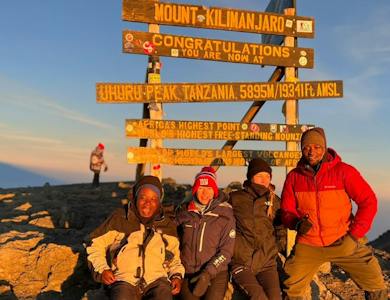
There's no single best route up Kilimanjaro, but there is a best route for you. Every path ends at the same spot, Uhuru Peak at 5,895m, yet the way you get there changes almost everything else: how many nights you have to adjust to the altitude, whether you sleep in a tent or a hut, how busy the trail feels and how much of the mountain you actually see.
We run four routes on Kilimanjaro: the Lemosho, Machame, Marangu and Rongai. Below, we break each one down day by day, compare them side by side and match each route to the kind of hiker it suits best. If you're still deciding when to go, our guide to the best time to climb Kilimanjaro is a good companion read.
One thing to know before you dive in: the number of days you spend on the mountain matters more than any other single factor. Altitude, not fitness, is what turns most people around, and every extra night gives your body more time to adapt.
Kilimanjaro routes at a glance
If you only have a minute, this is the short version.
Lemosho | Machame | Marangu | Rongai | |
|---|---|---|---|---|
Our trip length | 10 days | 7 days (8-day option) | 6 days | 7 days |
Days on the mountain | 8 | 7 | 6 | 7 |
Approach | West | South-west | South-east | North |
Way down | Mweka route | Mweka route | Same path as the way up | Marangu route |
Accommodation on the mountain | Tents | Tents | Dormitory huts | Tents, then huts for the last two nights |
Hotel nights in Moshi included | 2 | None (2 on the 8-day trip) | None | None |
Approx. total distance | 70km | 64km | 73km | 71km |
Longest day (summit day) | 10–13 hours | 10–13 hours | 10–13 hours | 10–13 hours |
Summit night starts from | Barafu Camp (4,650m) | Barafu Camp (4,650m) | Kibo Hut (4,714m) | Kibo Hut (4,714m) |
Barranco Wall scramble | Yes | Yes | No | No |
Crowds | Quiet at first, busier from day 4 | Busiest | Busy | Quietest |
Acclimatisation profile | Excellent | Good | Fair | Good |
Summit success rate | [TAP figure] | [TAP figure] | [TAP figure] | [TAP figure] |
Minimum age | 12 | 18 | 18 | 18 |
Best for | Best summit odds and scenery | A classic route in a week | Hut lovers who'd rather not camp | Quieter trails and the rainy season |
How altitude changes day by day
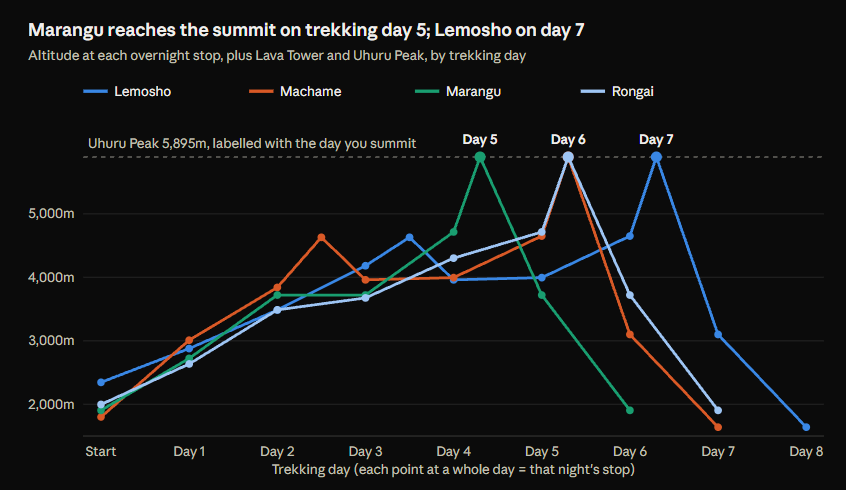
The shape of each line tells the acclimatisation story. Lemosho and Machame climb to Lava Tower and drop back down to sleep at Barranco, while Marangu and Rongai climb more steadily before one big push from Kibo Hut. Lemosho takes the longest to reach the top, which is exactly why it gives your body the most time to adjust.
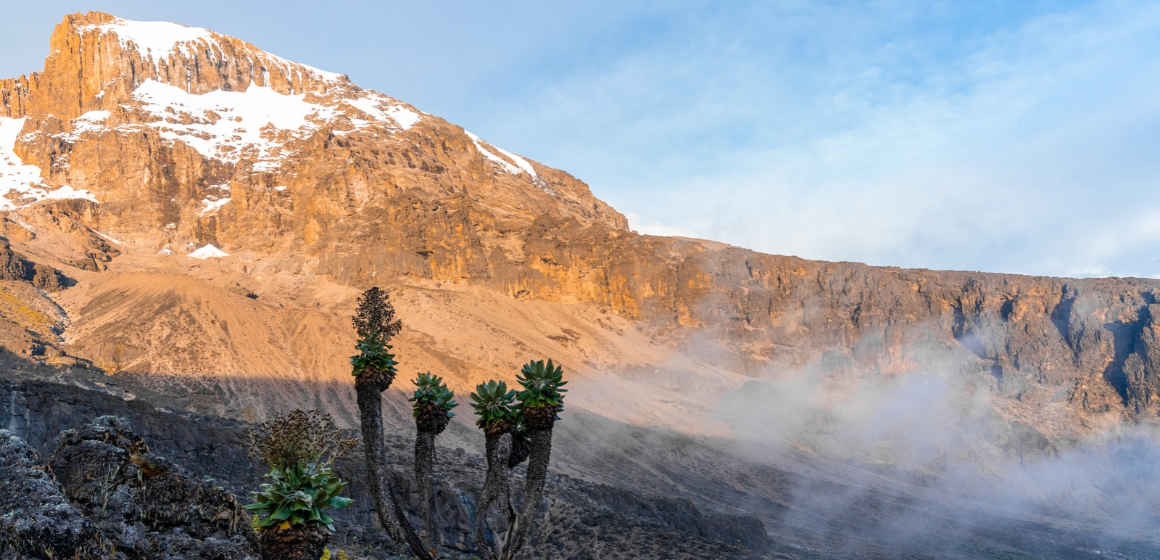 Senecio trees along the Lemosho route
The Lemosho route, day by day
The short version: the longest of our four itineraries, with eight days on the mountain, a slow start on quiet western trails and the most time to acclimatise. It's our favourite route, and the one we'd point most first-timers towards.
Lemosho approaches Kilimanjaro from the far west, which means a longer drive on day one (around four hours to Londorossi Gate) but a much quieter trail for the first few days. Instead of clipping the edge of the Shira Plateau as the Machame route does, you cross it properly, with a full day on one of the highest plateaus on Earth. From day five you join the Southern Circuit, sharing the trail with Machame climbers for the push to the top.
Day | Route | Walking time | Overnight |
|---|---|---|---|
1 | Arrive in Moshi, welcome dinner | None | Hotel in Moshi |
2 | Londorossi Gate to Mti Mkubwa (Big Tree) Camp | 3–4 hours | Tent, 2,878m |
3 | Mti Mkubwa to Shira 1 Camp | 4–5 hours | Tent, 3,485m |
4 | Across the Shira Plateau to Moir Hut | 5–7 hours | Tent, 4,182m |
5 | Moir Hut to Lava Tower (4,630m), down to Barranco Camp | 6–8 hours | Tent, 3,960m |
6 | Barranco Wall to Karanga Camp | 4–5 hours | Tent, 3,995m |
7 | Karanga Camp to Barafu Camp | 3–4 hours | Tent, 4,650m |
8 | Summit night to Uhuru Peak (5,895m), down to Mweka Camp | 10–13 hours | Tent, 3,100m |
9 | Mweka Camp to Mweka Gate, transfer to Moshi | 3–4 hours | Hotel in Moshi |
10 | Departure day | None | – |
What makes Lemosho stand out
- A gentle first few days. Days two and three are short, steady walks through rainforest and then heathland, with no huge jumps in height. It's an easy way to find your rhythm.
- The Shira Plateau. Day four is spent crossing this wide, high moorland, with Kibo's summit cone in view for much of the day. Few other routes give you this much time up here.
- Walk high, sleep low. On day five you climb to Lava Tower, a 300ft volcanic plug, then drop more than 600m to sleep at Barranco Camp. Spending a few hours higher than you sleep is one of the best things you can do for acclimatisation.
- The Barranco Wall. Day six opens with a hands-on scramble up a 270m rock face. It's steep but non-technical, and the view from the top is one of the highlights of the whole climb.
- A short day before the summit. Day seven to Barafu is only three to four hours, leaving you the afternoon to rest before summit night.
Terrain: rainforest, heath and moorland, high plateau, alpine desert, then scree and snow near the crater rim.
Accommodation: a hotel in Moshi at the start and end of the trip, with four-season tents on the mountain.
Watch out for: the long drive to the start, and the fact that Lemosho merges with the busier Machame route from day five.
View the 10-day Kilimanjaro Lemosho hike
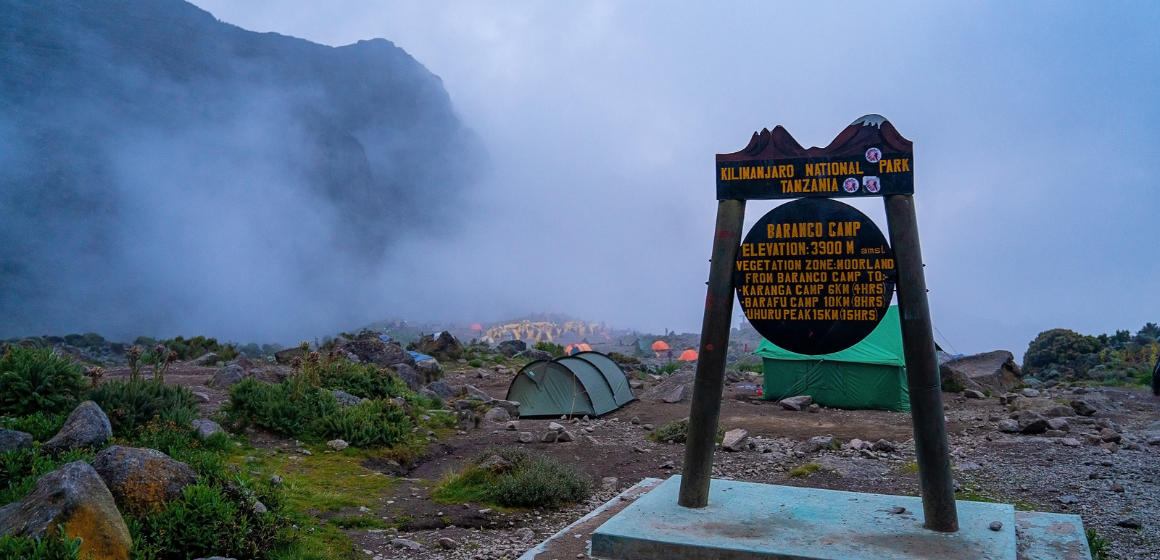
Baranco Camp where a night is spent on the Machame route
The Machame route, day by day
The short version: the mountain's most popular route, packing rainforest, the Shira Plateau, Lava Tower and the Barranco Wall into seven days. Expect a tough first day, busy campsites and some of the best views on Kilimanjaro.
Machame starts on the southern slopes, just an hour's drive from Moshi, and climbs hard through the rainforest from the very first step. From Shira Camp onwards it follows the same Southern Circuit as Lemosho, so you get the same acclimatisation day via Lava Tower and the same scramble up the Barranco Wall, just with fewer days to settle in beforehand. It's sometimes nicknamed the "Whiskey route", in contrast to Marangu's "Coca-Cola route", as a nod to its tougher reputation.
Day | Route | Walking time | Overnight |
|---|---|---|---|
1 | Machame Gate (1,800m) to Machame Camp | 4–5 hours | Tent, 3,010m |
2 | Machame Camp to Shira Camp | 4–5 hours | Tent, 3,840m |
3 | Shira Camp to Lava Tower (4,630m), down to Barranco Camp | 5–6 hours | Tent, 3,960m |
4 | Barranco Wall to Karanga Camp | 4–5 hours | Tent, 3,995m |
5 | Karanga Camp to Barafu Camp | 3–4 hours | Tent, 4,650m |
6 | Summit night to Uhuru Peak (5,895m), down to Mweka Camp | 10–13 hours | Tent, 3,100m |
7 | Mweka Camp to Mweka Gate, transfer to Moshi | 3–4 hours | – |
What makes Machame stand out
- A big first day. You gain roughly 1,200m between the gate and Machame Camp, the largest first-day climb of our four routes. It's on a good path, but it's steep and often muddy, so trekking poles and gaiters earn their place early.
- Huge variety in a week. Rainforest, moorland, the edge of the Shira Plateau, the alpine desert below Lava Tower and the glaciers near the summit all feature in seven days.
- The Southern Circuit. Days three to five traverse beneath Kibo's southern glaciers, with the summit in view from new angles each day.
- Shorter days before the summit. Splitting Barranco to Barafu over two days (via Karanga) keeps day four and day five manageable before the big night.
Terrain: steep rainforest, rocky ridges and moorland, alpine desert, one hands-on scramble, then scree and snow on summit night.
Accommodation: four-season tents on the mountain. Hotel nights in Moshi aren't included on the 7-day trip, but we can add them for you.
Watch out for: crowds. Machame is the busiest route on Kilimanjaro, so campsites can feel lively, especially in peak season.
View the 7-day Machame route climb
Prefer your hotel nights sorted? Try the 8-day Machame trip
Our 8-day Machame trip adds a night at the Salinero Kilimanjaro Hotel in Moshi before and after your climb, with a full briefing on arrival.
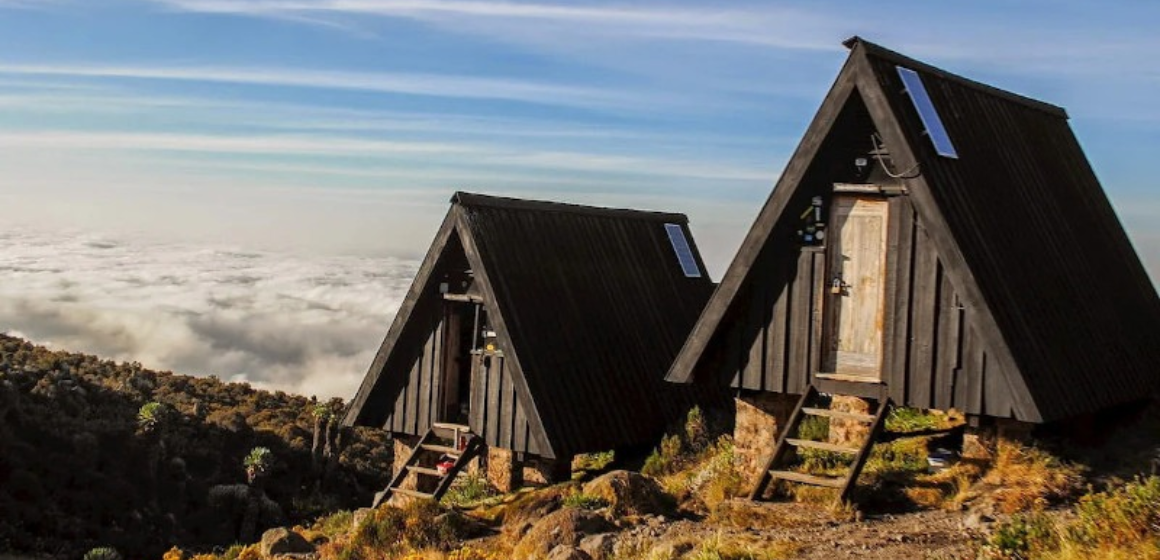 Hut accommodation on the Marangu route
The Marangu route, day by day
The short version: the oldest route on Kilimanjaro and the only one with hut accommodation every night. The gradients are gentler, but with six days on the mountain, the altitude still deserves serious respect.
Marangu climbs the south-eastern side of the mountain on a broad, well-trodden path, and it's the only one of our routes where you come down the same way you went up. Its "Coca-Cola route" nickname comes from the days when soft drinks were sold at the huts, and from its reputation as the easy option. The walking is less steep, but don't be fooled: Kibo Hut sits at 4,714m, and summit night is just as long and cold as on any other route.
Day | Route | Walking time | Overnight |
|---|---|---|---|
1 | Marangu Gate (1,905m) to Mandara Huts | 4–5 hours | Hut, 2,723m |
2 | Mandara Huts to Horombo Huts | 6–8 hours | Hut, 3,721m |
3 | Acclimatisation day, optional hike towards Mawenzi | Optional | Hut, 3,721m |
4 | Horombo Huts across the Saddle to Kibo Hut | 6–8 hours | Hut, 4,714m |
5 | Summit night to Uhuru Peak (5,895m), down to Horombo Huts | 10–13 hours | Hut, 3,721m |
6 | Horombo Huts to Marangu Gate, transfer to Moshi | 6–7 hours | – |
What makes Marangu stand out
- A roof over your head. You sleep in simple, dormitory-style huts with bunks and mattresses, which can be a real comfort when it's cold or wet. You'll share with other climbers, so pack earplugs.
- A built-in rest day. Day three is spent at Horombo, giving your body time to adjust. We'd always recommend the short hike higher up towards Mawenzi before returning to sleep, as it helps acclimatisation.
- The Saddle. Day four crosses the wide, almost lunar desert between Kibo and Mawenzi, Kilimanjaro's jagged second peak. It's one of the most otherworldly landscapes on the mountain.
- Gilman's Point. On summit night you reach the crater rim at Gilman's Point, often in time for sunrise, before following the rim to Uhuru Peak.
- Wildlife in the forest. The rainforest on day one is a good place to spot black-and-white colobus monkeys.
Terrain: rainforest, moorland dotted with giant groundsels and lobelias, alpine desert across the Saddle, then a long zigzag up loose scree to the crater rim.
Accommodation: shared huts on every night of the climb. Hotel nights in Moshi can be added on request.
Watch out for: two long descent days, which Marangu shares with the Rongai route. Summit day ends at Horombo, more than 2,000m below the top, and the final day is around 20km back to the gate. You'll also see the same scenery on the way down as on the way up.
View the 6-day Marangu route hike
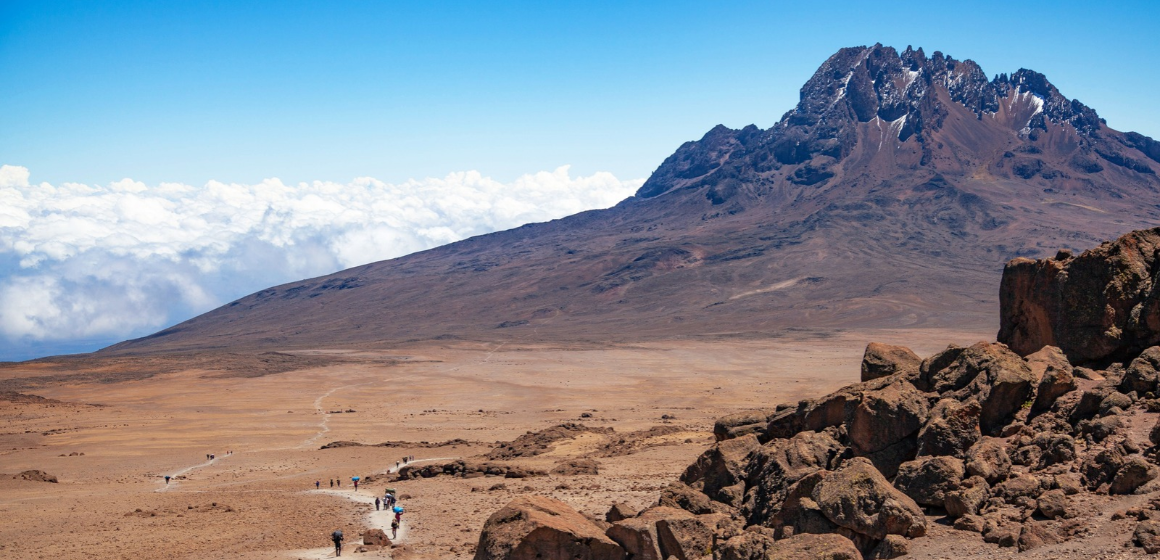 Crossing the Saddle towards Kibo with Mawenzi behind
The Rongai route, day by day
The short version: the only route that climbs from the north, close to the Kenyan border. It's the quietest of our four, with a steady gradient, short middle days and a night beneath Mawenzi's spires.
Rongai starts on the opposite side of the mountain to the other routes, so day one begins with a long drive of four to five hours from Moshi. The reward is solitude: far fewer climbers use this side of Kilimanjaro, and the northern slopes are generally drier than the southern ones, which makes Rongai a popular pick in the rainier months. You come down the Marangu route, so you see both sides of the mountain.
Day | Route | Walking time | Overnight |
|---|---|---|---|
1 | Nale Moru Gate (1,997m) to Simba Camp | 3–4 hours | Tent, 2,635m |
2 | Simba Camp to Second Cave Camp | 5–6 hours | Tent, 3,487m |
3 | Second Cave to Kikelewa Camp | 2–3 hours | Tent, 3,675m |
4 | Kikelewa Camp to Mawenzi Tarn | 3–4 hours | Tent, 4,302m |
5 | Mawenzi Tarn across the Saddle to Kibo Hut | 4–5 hours | Hut, 4,714m |
6 | Summit night to Uhuru Peak (5,895m), down to Horombo Huts | 10–13 hours | Hut, 3,721m |
7 | Horombo Huts to Marangu Gate, transfer to Moshi | 6–7 hours | – |
What makes Rongai stand out
- Peace and quiet. Rongai sees a fraction of the traffic of Machame or Marangu, so the trail and campsites feel far more remote.
- Wildlife at the start. The forest on day one is good for birdlife and monkeys, and Simba Camp looks out over the plains of Kenya.
- Short, steady middle days. Days three and four are just two to four hours each, giving you plenty of time to rest and adjust.
- Mawenzi Tarn. Day four's camp sits in a dramatic bowl right beneath the towering, jagged walls of Mawenzi. Use the free afternoon for a short acclimatisation walk.
- Two sides of the mountain. Up from the north, down through the south-east via Horombo and the Marangu rainforest.
Terrain: pine and rainforest, open moorland with big views of Kibo's eastern ice fields, semi-desert, the Saddle, then scree and snow on summit night.
Accommodation: tents for the first four nights, then huts at Kibo and Horombo. Hotel nights in Moshi can be added on request.
Watch out for: fewer chances to walk high and sleep low than on Lemosho or Machame, plus the long drive to the start and the long final descent.
View the 7-day Rongai route climb
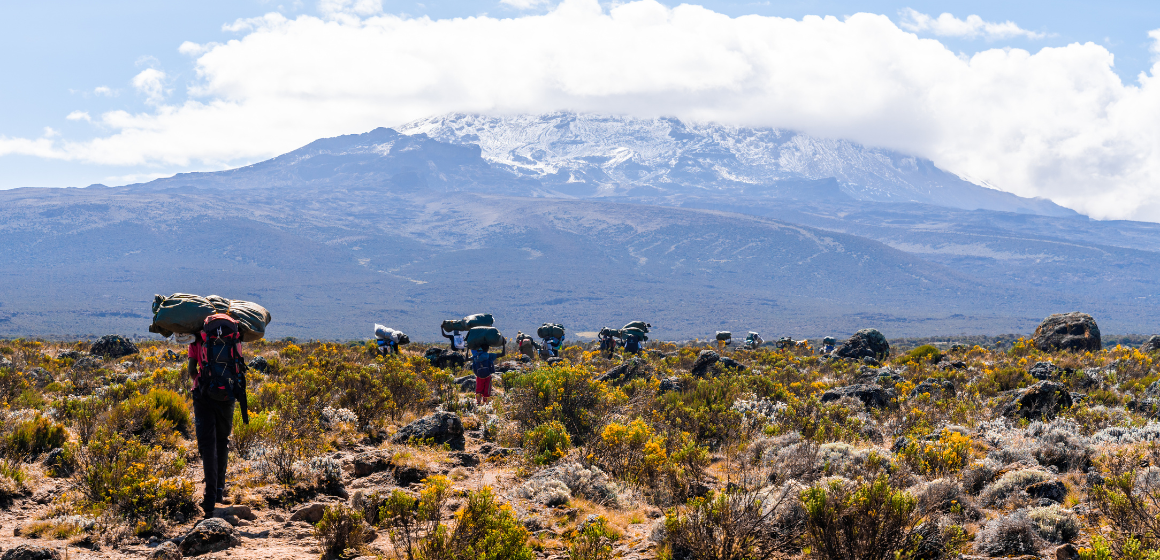
Head to head: how the routes compare
Altitude and acclimatisation
The biggest difference between the routes isn't the scenery, it's how quickly they take you up. Lemosho gives you eight days on the mountain and two nights above 4,000m before summit night, plus a walk-high, sleep-low day at Lava Tower. Machame follows the same pattern over seven days, but compresses the first half into a steep two-day climb.
Marangu and Rongai both start summit night from Kibo Hut at 4,714m, slightly higher than Barafu Camp on the southern routes. Rongai builds height gradually with short middle days and a night at Mawenzi Tarn. Marangu relies on its rest day at Horombo, but goes from 3,721m to 4,714m in a single day just before the summit push.
Terrain and scenery
All four routes pass through the same five climate zones: cultivated foothills, rainforest, heath and moorland, alpine desert and the icy summit zone. Where they differ is in what you see along the way.
- Lemosho: the most varied, with the full Shira Plateau, Lava Tower, the Barranco Valley's giant groundsels and the Southern Circuit.
- Machame: much of the same southern scenery as Lemosho, minus the full plateau crossing.
- Marangu: fine forest and moorland, and the Saddle, but you retrace your steps on the way down.
- Rongai: wilder and drier, with views north into Kenya and a dramatic camp under Mawenzi.
Only Lemosho and Machame include the Barranco Wall. If you're nervous about using your hands on a steep rock section, Marangu or Rongai avoid it entirely.
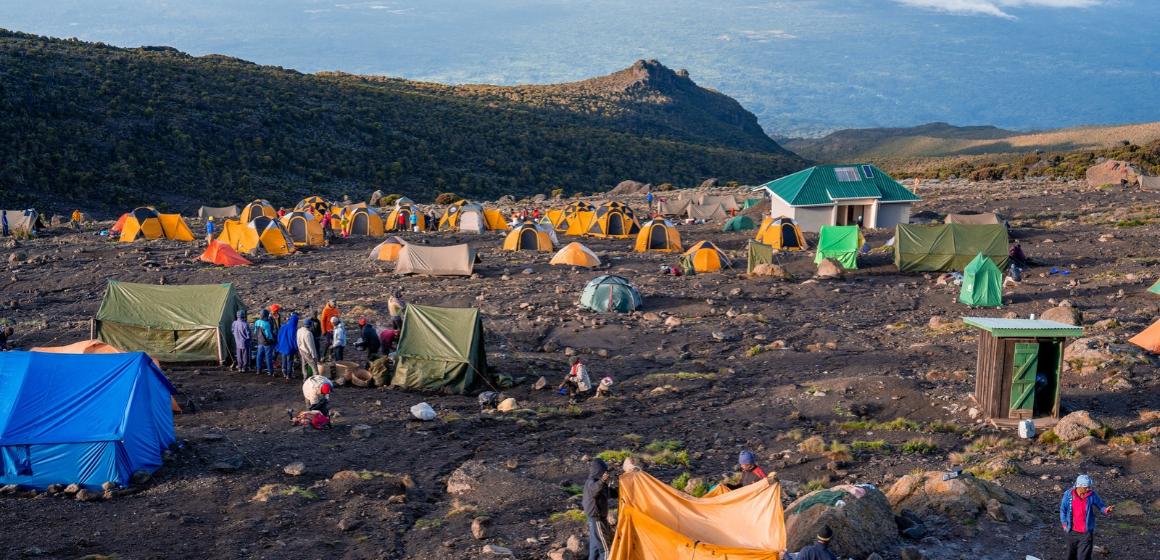
Accommodation: tents or huts?
Marangu is the only route with huts every night. Rongai mixes four nights of camping with two hut nights at the end. Lemosho and Machame are camping routes, with modern four-season tents and thick sleeping mats, and a mess tent for meals.
Huts aren't luxurious. They're shared dorms with bunks, and they can be noisy. But if the idea of a week in a tent puts you off, they're a genuine plus.
Time spent walking each day
Most days on every route involve three to eight hours on your feet, at a deliberately slow pace ("pole pole", or "slowly slowly" in Swahili, as your guides will remind you). Summit day is the outlier on all four routes, at roughly 10 to 13 hours, starting around midnight.
- Shortest days: Rongai's days three and four (two to four hours each), and the day before the summit on Lemosho and Machame (three to four hours).
- Longest regular days: Marangu's days two and four (six to eight hours), and Lemosho's Lava Tower day (six to eight hours).
- Hardest descents: Marangu and Rongai, which both finish with a walk of around 20km from Horombo to Marangu Gate.
Crowds
Machame is the busiest route on the mountain, and Marangu is close behind. Lemosho is quiet for its first three days, then joins Machame's campsites. Rongai is the quietest throughout, with only the final nights at Kibo and Horombo shared with Marangu climbers.
Summit success rates
There are no reliable, up-to-date official success rates for each route. The national park authority hasn't published route-by-route figures in years, and the numbers you'll see online vary widely from one company to the next. What every source agrees on is the pattern: the more days you spend on the mountain, the better your chances.
The biggest things in your control are choosing a longer itinerary, training well beforehand and walking slowly from day one. Our Lemosho training guide is a good place to start.
Which Kilimanjaro route is best for you?
If you are… | Choose | Why |
|---|---|---|
A first-time trekker at altitude | Lemosho | Eight days on the mountain, a gentle start and a walk-high, sleep-low day give you the most time to adapt. |
Someone who knows altitude hits you hard | Lemosho | The longest itinerary and the best acclimatisation profile of the four. Speak to your GP before you go, too. |
Short on time but keen on scenery | Machame | Lava Tower, the Barranco Wall and the Southern Circuit in a week, starting just an hour from Moshi. |
Someone who'd rather not camp | Marangu | Huts every night, with bunks, mattresses and a solid roof when the weather turns. |
After peace and quiet | Rongai | The least-used route of the four, with remote campsites on the northern slopes. |
Climbing in the rainy season | Rongai | The northern side of the mountain is generally drier than the south. |
Nervous about scrambling | Marangu or Rongai | Neither route includes the Barranco Wall. |
Wanting to see as much of the mountain as possible | Lemosho | West to south-east, with a full day on the Shira Plateau. Rongai, north to south-east, is a close second. |
Travelling with a teenager | Lemosho | Our Lemosho trip welcomes climbers from age 12; the others start at 18. |
Still torn? As a rule of thumb, pick the longest itinerary your time and budget allow. A couple of extra days on the mountain will do more for your chances of standing on Uhuru Peak than any other choice you make. Our team is always happy to talk it through, so get in touch if you'd like a hand.
Browse all our Kilimanjaro treks
Our local team's favourite routes
Nobody knows these trails better than our local guides, so we asked them which route they'd choose and why.
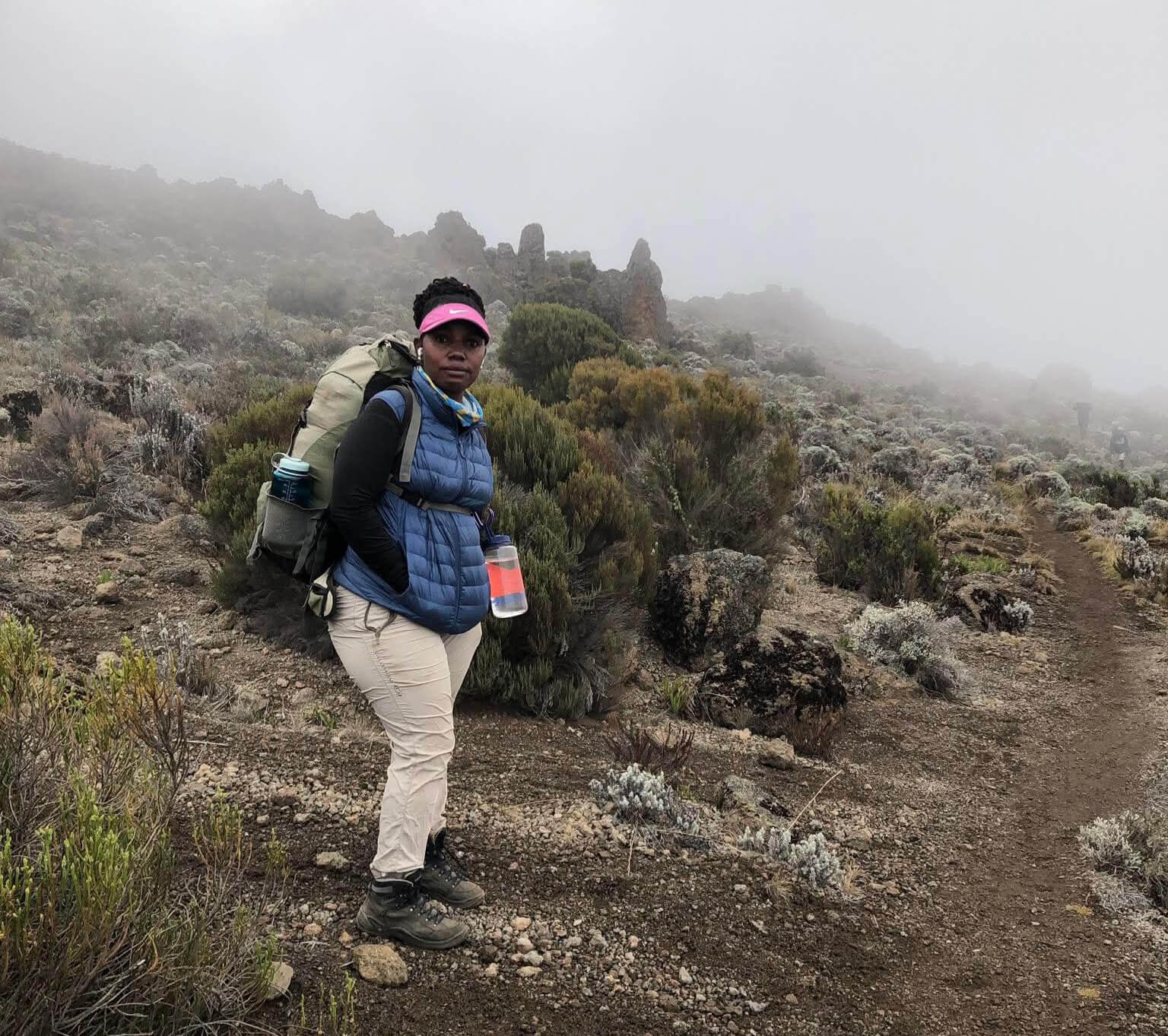
"My favourite route on Mount Kilimanjaro is the Lemosho Route because of its beautiful scenery, peaceful environment, and excellent opportunities for acclimatisation. Having worked as a Kilimanjaro guide for 12 years, I have experienced different routes, but Lemosho remains special to me. The journey begins in the beautiful rainforest on the western side of the mountain, where climbers may see monkeys and different species of birds. As we climb higher, the landscape changes dramatically, from green forest to open moorland, volcanic terrain, and eventually the alpine desert.
One of my favourite places is the Shira Plateau, which offers incredible views of Mount Meru and the surrounding landscape. I also enjoy the Barranco Valley, especially the impressive Barranco Wall, which is one of the most exciting sections of the trek. What I particularly appreciate about the eight-day Lemosho itinerary is that it gives climbers more time to adjust to the altitude.
As a guide, my greatest happiness is seeing my clients enjoy the journey, remain healthy, and successfully reach Uhuru Peak. For me, Lemosho offers the perfect combination of natural beauty, adventure, good acclimatisation, and unforgettable mountain experiences. That is why it remains my favourite Kilimanjaro route." - Frediana Tesha, 12 years guiding on Kilimanjaro
Kilimanjaro route FAQs
Which is the easiest Kilimanjaro route?
Marangu has the gentlest gradients and the comfort of huts, so it's often called the easiest. But "easy" on Kilimanjaro is mostly about altitude, and a longer itinerary such as Lemosho usually feels more manageable overall because your body has more time to adjust.
Which Kilimanjaro route has the highest success rate?
Longer routes with good acclimatisation tend to see the highest success rates. Of our four routes, Lemosho has the most days on the mountain.
Which is the most scenic route up Kilimanjaro?
Lemosho is widely considered the most scenic, thanks to its quiet western start, the full Shira Plateau crossing and the Southern Circuit. Rongai is a strong choice if you value wild, empty landscapes.
Can you sleep in huts on Kilimanjaro?
Yes, on the Marangu route, which has huts every night. On our Rongai trip, your final two nights at Kibo and Horombo are also in huts.
How many days do you need to climb Kilimanjaro?
Our trips spend between six and eight days on the mountain. We'd recommend the longest itinerary you can manage, as extra days give your body more time to acclimatise.
What is the hardest part of climbing Kilimanjaro?
On every route, it's summit night: a midnight start, 1,100 to 1,300m of climbing in the cold and dark, then a long descent. Read our guide to Everest Base Camp vs Kilimanjaro to see how it compares with other big treks.
Further Reading
Continue your preparation for Kilimanjaro with these handy articles on our website: