Best time to climb Kilimanjaro: a month-by-month guide
Info on the weather, trail conditions and crowds for every month of the year

by The Adventure People on 27th October 2026
Would you like to write for our blog? Please send an email to hello@theadventurepeople.com we'd love to hear your ideas!
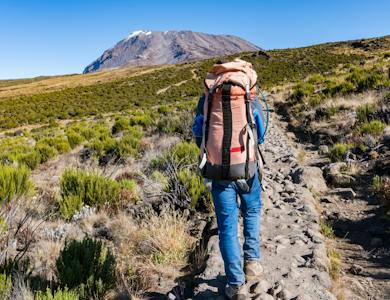
You can climb Kilimanjaro in any month of the year. Our Kilimanjaro climbs depart throughout the year, and each month brings its own balance of weather, views and crowds.
Sitting just south of the equator, Kilimanjaro has two dry seasons and two rainy seasons rather than a summer and winter. The long dry season from late June to October and the shorter dry spell from January to early March are the most popular times to climb. The rains of April, May and November bring wetter trails, but also quieter camps and greener forests.
This guide takes you through the year month by month, using long-term weather records for the mountain and the surrounding region. For each month you'll find what the trail is like, how likely you are to see rain, cloud or snow, and what to pack.
The quick answer
For the most reliable weather, climb from late June to early October, or in January and February. For quieter trails, consider March, June, November or early December. April and May are the wettest months, but you'll have the mountain almost to yourself.
- Driest months: July to September, the heart of the long dry season.
- Warmest, clearest dry spell: January and February, often with clear views of the summit glaciers.
- Fewest climbers: April, May and November, during the rains.
- Summit temperatures: around −7°C on average all year, with little change from month to month. Wind and time of night matter more than the season.
- Wettest month: April, when the long rains peak.
Month | Season | Weather in brief | Trail traffic | Best for |
|---|---|---|---|---|
January | Short dry season | Warm, mostly dry, clear mornings | Busy | Clear views and warm days |
February | Short dry season | Warm and mostly dry; occasional showers | Busy | One of the best months for views |
March | Long rains begin | Showers increase through the month | Quieter | Early-month climbs with fewer people |
April | Long rains | Wettest month; heavy rain in the forest | Very quiet | Solitude for experienced, well-prepared climbers |
May | Long rains | Wet early, easing by late May | Very quiet | Lush forest and empty camps |
June | Long dry season | Drying out, cooler, cloud on lower slopes | Getting busier | Dry trails before the peak crowds |
July | Long dry season | Dry, cool and stable | Very busy | Reliable conditions |
August | Long dry season | Dry, cool and stable | Very busy | Reliable conditions, school holidays |
September | Long dry season | Driest month; clear and settled | Busy | Best odds of dry weather |
October | Dry, short rains approach | Mostly dry and warmer; showers late in the month | Busy | Warmer dry-season climbing |
November | Short rains | Afternoon showers, clear mornings | Quiet | Quieter trails, still good summit odds |
December | Short rains ease | Mixed early on, drier later; warm | Busy over Christmas | Festive-season climbs |
Rain through the year
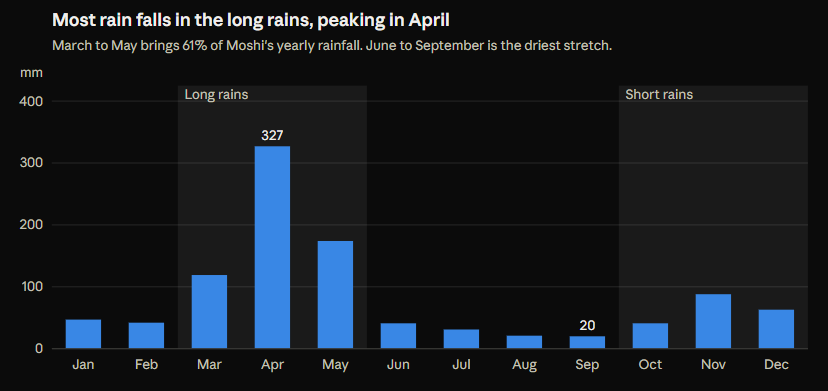
Kilimanjaro has two rainy seasons and two dry ones. The long rains bring by far the most rain, while the short rains are lighter and more showery. The forest on the mountain's lower slopes gets several times more rain than Moshi, but follows the same pattern.
Our guides' favourite months
Our local guides know this trail in every season, so we asked them a simple question: which month do you love climbing Kilimanjaro most, and why?
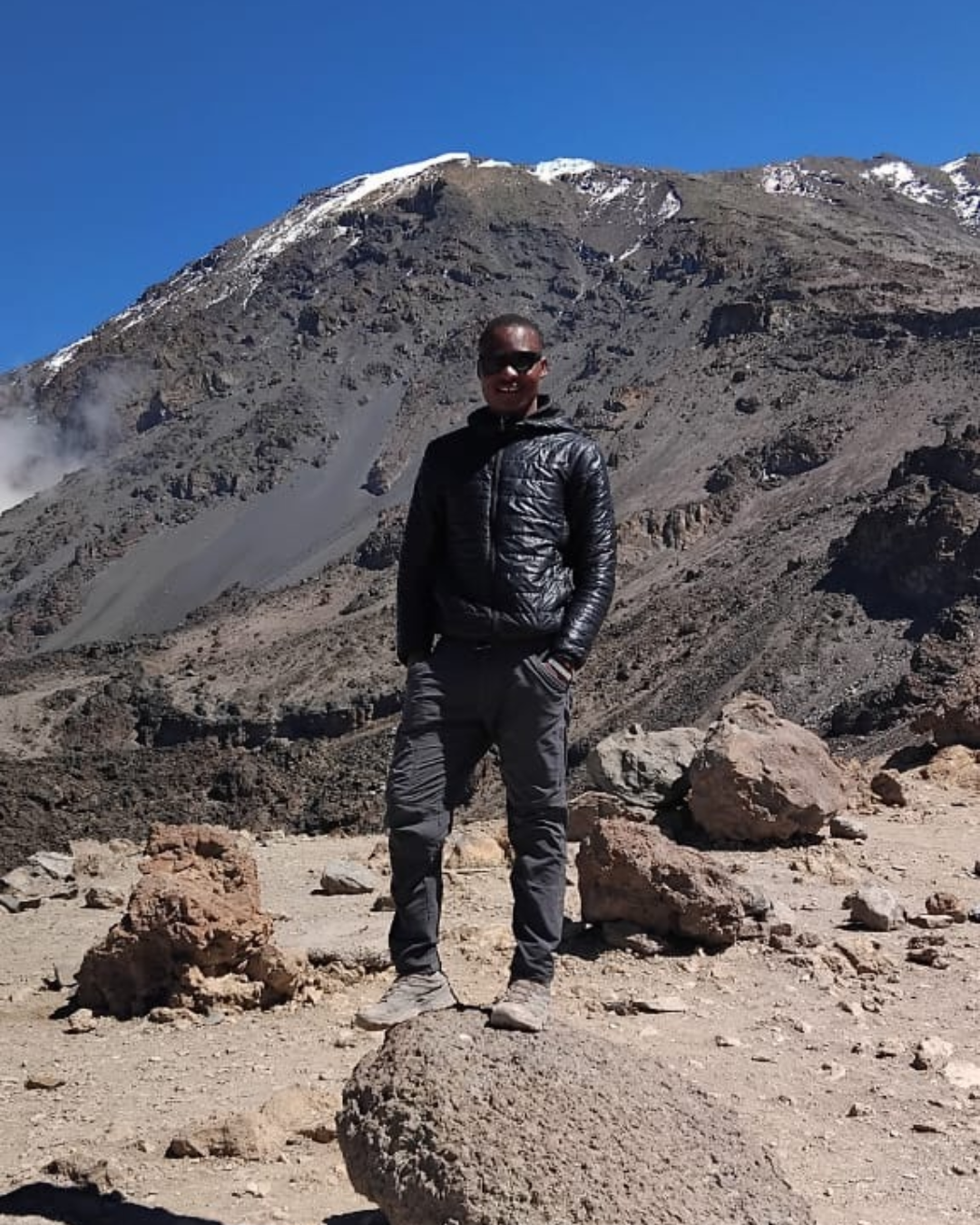
Dismas Mtui, 11 years trekking Kilimanjaro
Favourite month: September
"September is one of my favourite months to climb Mount Kilimanjaro because of the generally excellent weather, beautiful scenery, and favourable trekking conditions. September falls within the dry season, when rainfall is usually low, the skies are often clear, and the trails are generally drier and less muddy. Winds are often relatively calm compared with some other periods, although conditions can still be windy and extremely cold near the summit. The scenery is particularly spectacular during September. Climbers can enjoy breathtaking views of the surrounding landscapes, beautiful sunrises and sunsets, and incredible views above the clouds. The clear skies also provide excellent opportunities for photography."
Joseph Paul, 14 years trekking Kilimanjaro
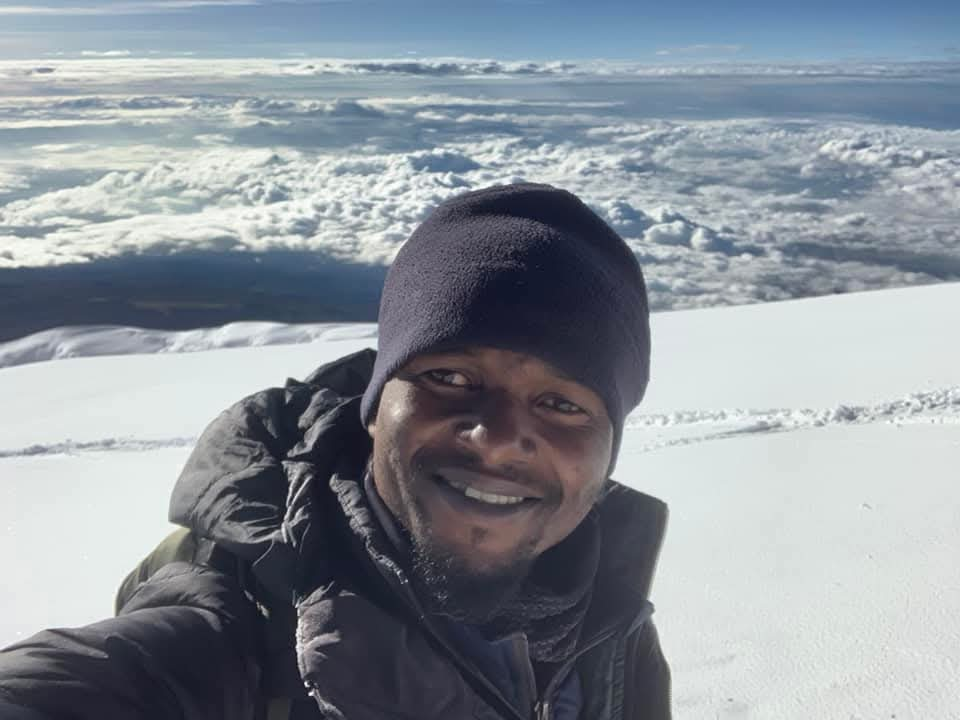
Favourite month: June
"June is one of my favourite months to climb Mount Kilimanjaro because it marks the beginning of the main climbing season. The weather is generally pleasant, with less rainfall, relatively mild daytime temperatures, and clear skies. The trails are usually becoming drier, making trekking more comfortable. The clear skies offer breathtaking views of the surrounding landscapes, beautiful sunrises, and spectacular mountain scenery. June is also a wonderful time to enjoy the mountain's natural beauty before the busiest months of the climbing season."
Kilimanjaro weather and climbing conditions, month by month
Kilimanjaro's weather changes far more with altitude than with the time of year. On a single climb you pass from humid rainforest to an arctic summit, so the months below differ mainly in rain, cloud and crowds rather than temperature. The rainy and dry seasons follow the pattern the Tanzania Meteorological Authority describes for the Kilimanjaro region.
Research weather stations on the mountain show how temperature changes as you climb. On average, the air cools by about 5°C for every 1,000m you gain, and faster near the summit glaciers. Near Uhuru Peak, stations record an average of about −7°C, with very little difference between months. On summit night, before dawn and in the wind, it feels far colder.
The seasons show up most in the rainforest. At about 2,340m, the gap between day and night temperatures averages around 9.5°C in February but only about 3.4°C in July, when cloud keeps the forest cool and damp. Rain can be heavy on the lower slopes too: in April 2024, the Lyamungo station on the southern slopes recorded almost 1,190mm in a single month.
January
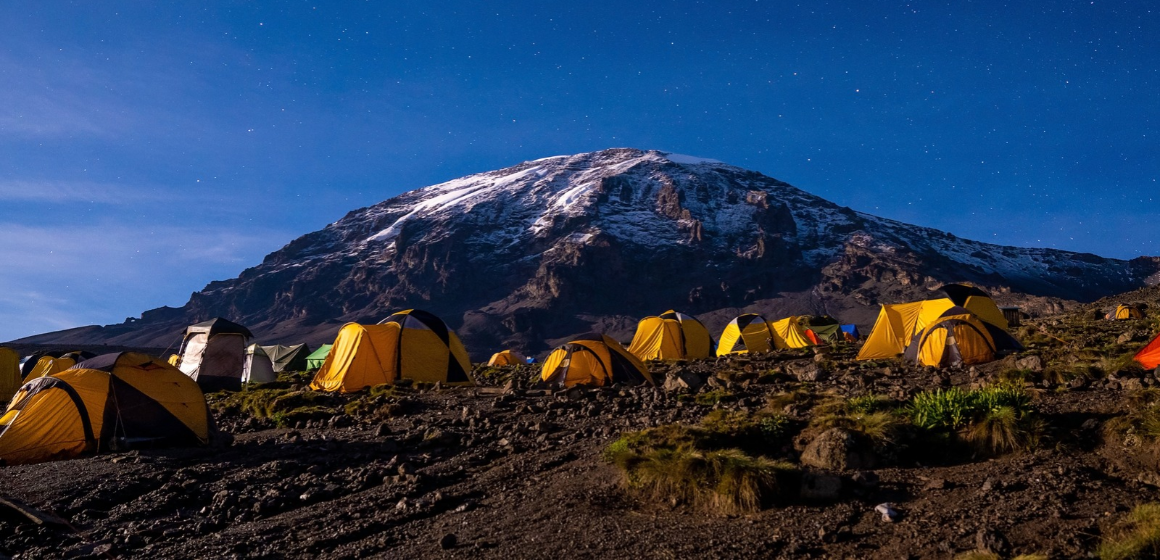
January falls in the short dry season. Days are warm, mornings are often clear, and the summit glaciers stand out sharply against blue skies. Showers are possible, especially in the forest, and in some years the short rains run on into January. In 2024, for example, El Niño brought Tanzania its wettest January since records began in 1970.
This is a popular month, particularly in the first weeks after New Year, so camps can be busy.
Pack and plan: sun protection is essential, as UV is extreme at this latitude. Bring a light waterproof for forest showers alongside full cold-weather kit for summit night: a down jacket, insulated gloves and a warm hat.
February
February is often one of the best months on Kilimanjaro. It's one of the warmest months in the region, skies are usually clear and the views from the upper slopes are excellent. Short afternoon showers can still pass through the lower slopes.
The mountain is busy, especially around the full moon, when many climbers like to time their summit night.
"Climbing Kilimanjaro during a full moon is a special experience. When the summit attempt coincides with a full moon, the moonlight illuminates the mountain, glaciers, and surrounding landscape, creating a magical atmosphere during the night ascent." − Dismas Mtui, local Kili guide
Pack and plan: as for January. If you'd like a moonlit summit night, opt for one of the following departures to line up with a full moon and book early:
10-day Kilimanjaro Lemosho Hike − 16th January 2027 or 14th February 2027
March
March is a month of change. The first half is often still dry, but the long rains usually arrive during the month. The exact timing varies from year to year, so early March is the safer bet. Higher up, wetter weather can bring fresh snow on the summit.
Trails are noticeably quieter than in February, which makes early March a good choice if you want reasonable weather with fewer people.
Pack and plan: a fully waterproof jacket and trousers, a rain cover for your daypack and dry bags for your clothes and sleeping bag. Gaiters help on muddy forest paths.
April
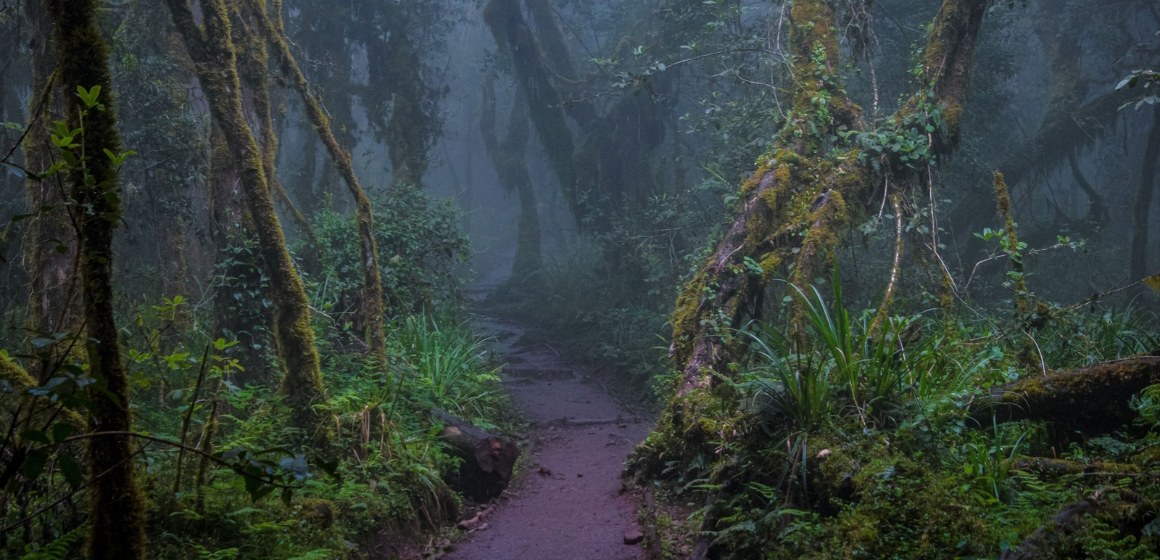
April is the wettest month on Kilimanjaro, at the peak of the long rains. Expect heavy rain on the lower slopes, muddy trails in the forest and cloud hiding the views for long spells. Snow is more likely on the summit, which can make the final climb slower and colder.
In return, the mountain is at its quietest. It suits experienced trekkers who don't mind the wet and want the trails to themselves.
Pack and plan: the best waterproofs you can get, plenty of dry bags, quick-drying layers and spare socks. Waterproof boots with good grip are a must, and trekking poles help on slippery ground.
May
The long rains continue into May, though they usually ease off as the month goes on. Early May can be very wet; by the last week, drier days become more common. Cloud often sits over the lower and middle slopes, so views tend to open up higher on the mountain.
May is one of the quietest months of the year. The rainforest is at its greenest, and camps feel peaceful.
Pack and plan: the same wet-weather kit as April. If you can, choose a departure late in the month for a better chance of drier conditions.
June
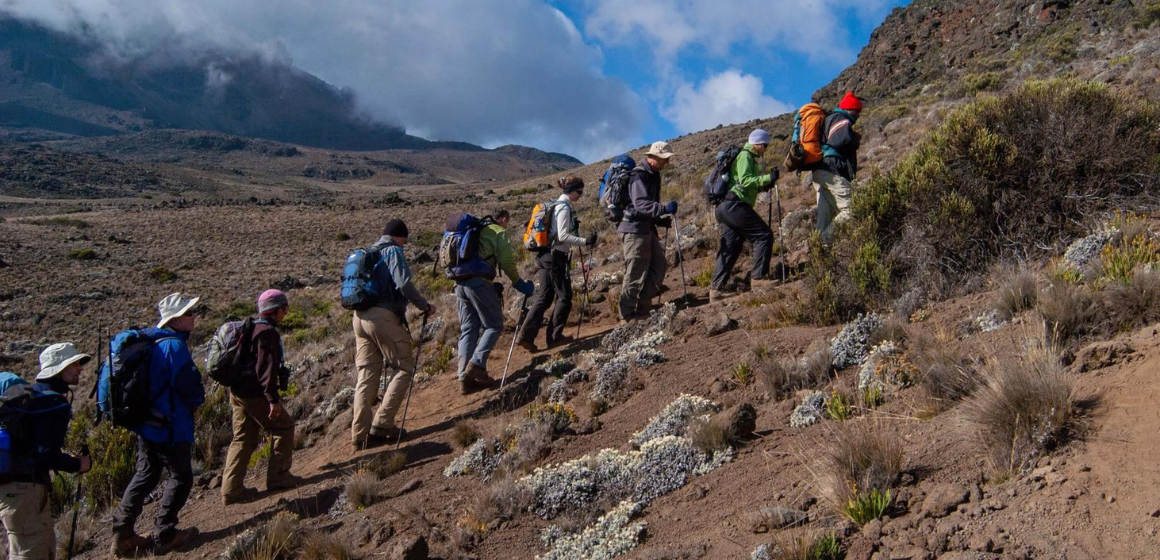
June marks the start of the long dry season, which the Tanzania Meteorological Authority describes as dry across the whole country from June to September. Rain becomes much less frequent, though cloud often hangs over the forest and lower slopes, and temperatures are cooler. Higher up, you often climb out above the cloud into clear, dry air.
Trekker numbers build through the month, so early June is a great balance of dry trails and space.
Pack and plan: warmer layers for cool evenings and full summit kit. Pack a light waterproof for the forest, where drizzle is still possible.
July
July is one of the most reliable months to climb. The weather is dry and stable. Research on the summit glaciers shows that during the dry season, cloud tends to build and then dissolve just below the summit plateau, so summit mornings are often clear.
This is peak season, with July and August usually the busiest months on the mountain.
Pack and plan: cold-weather gear matters most now: nights at high camp are bitter, so bring a warm sleeping bag, a heavy down jacket and insulated gloves. Book well ahead.
August
August is much like July: dry, cool and stable, with a good chance of clear skies on summit morning. Dust can build up on the drier, higher trails.
It's one of the busiest months, helped by European and North American school holidays.
Pack and plan: as for July. A buff or neck gaiter is useful against dust, and lip balm with SPF protects against the dry air.
September
September is one of the driest months on Kilimanjaro. Days warm up again, sunshine increases and summit views are usually excellent. It's one of the most dependable months of the year to climb.
Crowds ease a little after the August holidays but the mountain is still busy.
Pack and plan: full summit kit, plus sun protection for the long, bright days. A light waterproof is still worth carrying for the forest.
October
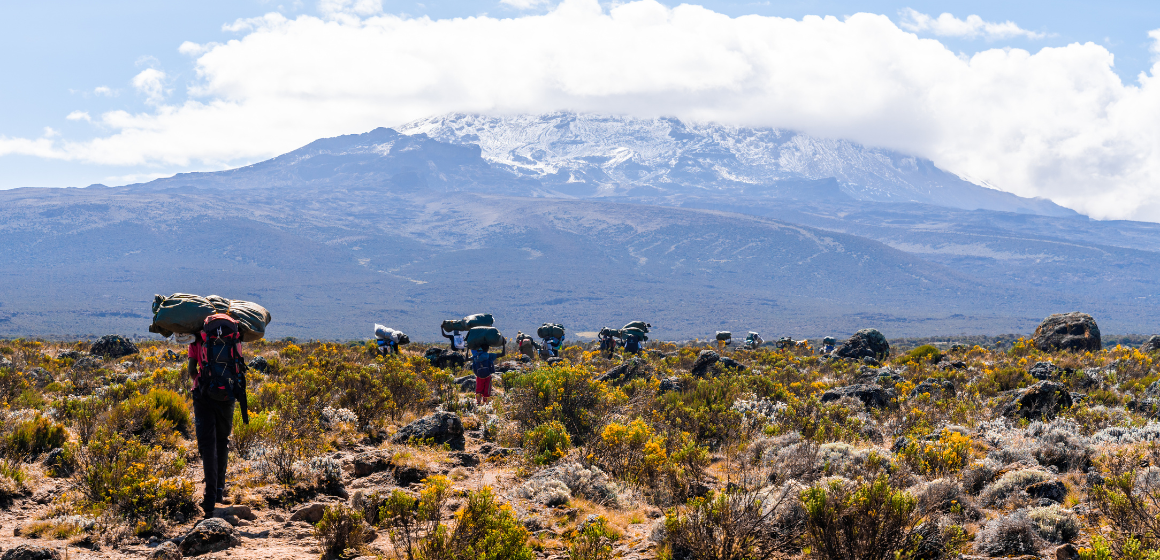
October is usually dry for most of the month, with warmer days than mid-year. The short rains can start towards the end of the month, though the timing varies: in 2024, the Tanzania Meteorological Authority noted a late start to the short rains across parts of the region.
The mountain stays fairly busy, but less so than in July and August.
Pack and plan: pack for dry-season conditions with a waterproof jacket in case the short rains arrive early.
November
November brings the short rains. They are lighter and less persistent than the long rains, often falling as afternoon showers, with clear mornings and plenty of sunshine in between. Wetter weather can bring some fresh snow on the summit.
This is one of the quieter months on the mountain, so it suits climbers who want fewer people and can handle some rain.
Pack and plan: good waterproofs and dry bags, plus full summit kit. Walking early in the day makes the most of the drier mornings.
December
December starts with the tail end of the short rains and usually dries out towards the end of the month. Days are warm and there's still plenty of sunshine. In 2024, the Kilimanjaro region had a particularly wet December, a reminder that the short rains vary from year to year.
Early December is quiet, but the mountain gets busy over Christmas and New Year, when many people choose to see in the new year from the slopes.
Pack and plan: a reliable waterproof and dry bags for early-month showers, plus full summit kit. Festive departures fill up early.
Want to time your Kilimanjaro climb with Christmas or the New Year? Opt for these departures:
10-day Kilimanjaro Lemosho Hike − 18th December 2027 for Christmas on the summit or 25th December 2027 to start the New Year on the summit
7-day Climb Kilimanjaro Rongai Route − 19th December 2027 for Christmas Eve on the summit or 26th December 2027 to summit on the morning of New Year's Eve.
What to pack for each season
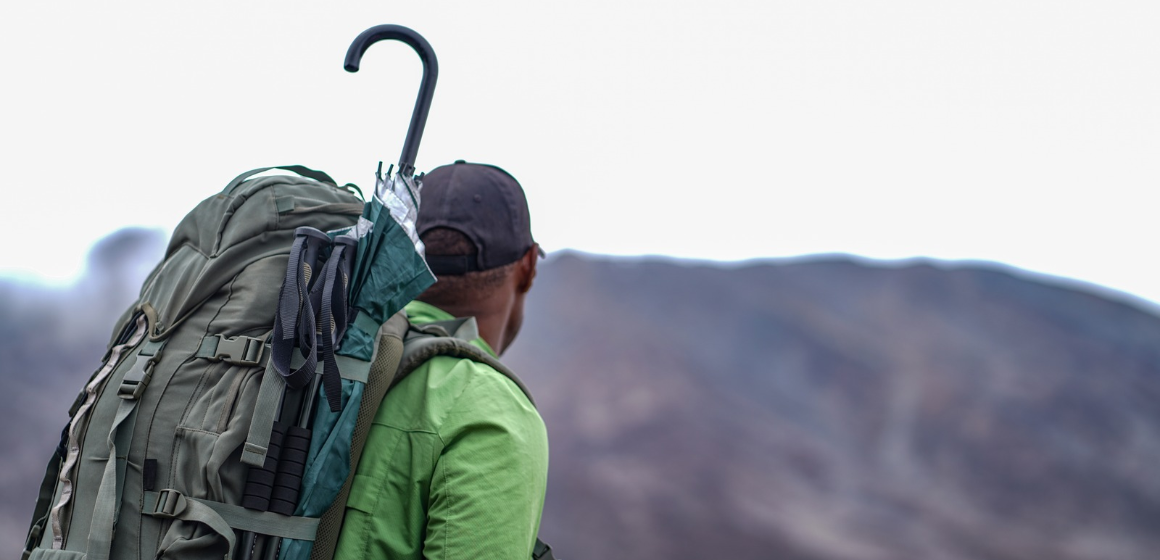
Because the summit is cold all year, your core kit barely changes: broken-in walking boots, a layering system, a warm down jacket, a sleeping bag rated well below freezing, insulated gloves and a warm hat. What changes with the season is how much waterproofing you need and how warm the lower slopes feel.
Season | Months | Conditions to plan for | Extra kit to bring |
|---|---|---|---|
Short dry season | January–February | Warm, sunny days lower down; very cold summit night | Sunhat, high-factor sunscreen, category 3–4 sunglasses, light waterproof for forest showers |
Long rains | March–May | Heavy rain in the forest, mud, cloud, summit snow | Fully waterproof jacket and trousers, pack cover, dry bags, gaiters, spare socks, quick-dry layers, trekking poles |
Long dry season | June–October | Cool and dry; cold nights at high camp; dusty trails | Extra warm layers for camp, buff or neck gaiter for dust, SPF lip balm, light waterproof |
Short rains | November–December | Afternoon showers, clear mornings, warm days | Good waterproofs, dry bags, quick-dry layers |
Whatever the month, bring a headtorch with spare batteries for summit night, and keep water bottles and batteries inside your jacket on the final climb so they don't freeze.
Frequently asked questions
Can you climb Kilimanjaro all year round?
Yes. Our Kilimanjaro climbs depart throughout the year. The dry seasons offer the most reliable weather, while the rainy months bring wetter trails but far fewer people.
What is the best month to climb Kilimanjaro?
September is usually the driest month, and July to early October is the most reliable period overall. January and February are also excellent, with warm days and clear views. If you'd like quieter trails with decent weather, early March, June or November are good alternatives.
What is the worst month to climb Kilimanjaro?
April is the wettest month, with heavy rain on the lower slopes and a higher chance of snow near the summit. It's still possible to climb, and the mountain is at its quietest, but you'll need excellent waterproofs and a tolerance for the wet.
How cold is the summit of Kilimanjaro?
Weather stations near Uhuru Peak record an average of about −7°C, and this changes very little from month to month. On summit night, temperatures before dawn and the wind make it feel much colder, so pack full cold-weather kit whatever month you climb.
Does it snow on Kilimanjaro?
Yes. Snow falls on the upper mountain mainly during the two rainy seasons, from March to May and from October to December. It can make the final climb slower and colder, but it also gives the summit a dramatic white coat.
When is Kilimanjaro least crowded?
April, May and November are the quietest months, followed by March and early June. July and August, the Christmas and New Year period, and full-moon dates in the dry seasons are usually the busiest.
Ready to book your Kilimanjaro climb?
Check out our full range of Kilimanjaro treks and book your preferred departure.
Further Reading
Continue your preparation for Kilimanjaro with these handy articles on our website: