Inca Trail packing list: everything you need for the trek
What to pack for the trek from clothing to walking poles

by The Adventure People on 4th November 2026
Would you like to write for our blog? Please send an email to hello@theadventurepeople.com we'd love to hear your ideas!
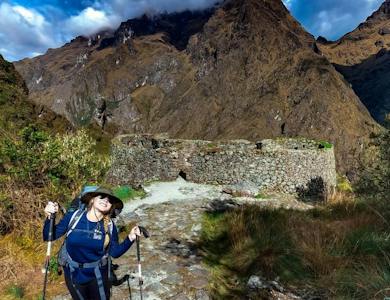
Packing for the Inca Trail means fitting four days of mountain kit into a 7kg porter allowance and a small daypack. Over the trek you'll climb to 4,215m at Dead Woman's Pass, sleep three nights under canvas, walk through chilly high passes and humid cloud forest, and arrive at the Sun Gate before sunrise on day four. There are no showers to rely on and no shops along the way, so what you pack in Cusco is what you live with.
This packing list is based on our Classic Inca Trail & Machu Picchu – 4 Days trek, which follows the classic 43km route from KM 82 to Machu Picchu. Most four-day Inca Trail treks work in a similar way, but luggage allowances and included kit vary between operators, so always check the specific details on your tour page before you buy or pack anything.
How luggage works on the Inca Trail
On our Classic Inca Trail trek, a porter carries up to 7kg (15lb) of your belongings. You'll be given a duffel bag at the briefing the night before the trek, and that 7kg includes your sleeping bag, air mattress and pillow, so the space left for clothes and toiletries is smaller than it first sounds. Everything else comes with you in a small, light daypack.
The porters set off ahead of the group and have camp ready when you arrive, which means you won't see your duffel during the day. Anything you might need between breakfast and camp, from a waterproof to a blister plaster, has to be in your daypack.
The rest of your luggage stays behind. If your hotel can't store it, the local team will keep it safe and return it to your hotel at the end of the trek. Pack a clean set of clothes in that bag for when you get back to Cusco.
Our advice: pack your duffel in Cusco, then weigh it. Bathroom scales or a luggage scale will do. If it's over 7kg, take something out rather than hoping it'll be fine; the weight limits exist to protect the porters, and bags are weighed at the checkpoint.
Porter duffel (max 7kg) | Your daypack |
|---|---|
Sleeping bag and air mattress | Water (at least 2 litres) |
Sleepwear and spare base layers | Waterproof jacket and trousers |
Spare underwear and socks | Warm mid-layer and hat |
Down jacket (when not wearing it) | Sun hat, sunglasses, sun cream |
Toiletries and wash kit | Snacks |
Camp shoes | Head torch |
Spare batteries and power bank | Toilet kit and hand sanitiser |
Extra snacks for later days | Personal first aid and medication |
Passport, cash and phone/camera |
Your daypack
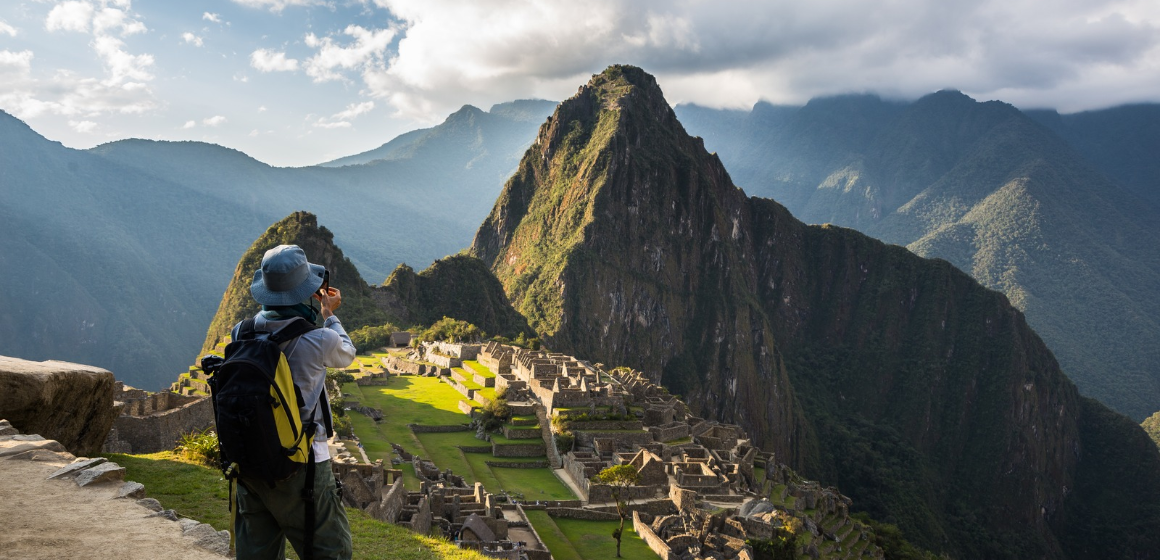
A daypack of around 20 to 30 litres is enough. Choose one with a padded hip belt, a chest strap and a built-in or separate rain cover; a well-fitted pack makes a real difference on the long stone staircases of day two. Machu Picchu has restrictions on bag size, so a smaller pack also saves hassle on the final day.
What to carry every day:
- Water: at least 2 litres, in reusable bottles or a hydration bladder. Single-use plastic bottles are not permitted on the trail or at Machu Picchu.
- Waterproof jacket and overtrousers: the weather changes quickly, in any month.
- A warm layer and hat: the top of Dead Woman's Pass is cold and often windy, even on sunny days.
- Sun protection: high-SPF sun cream, SPF lip balm, sunglasses and a sun hat. UV is strong at altitude.
- Snacks: meals are provided, but something quick between them helps on the long climbs.
- Head torch: day one starts with a 4:30am pick-up and day four begins before dawn.
- Toilet kit: toilet paper, hand sanitiser and a zip-lock bag for used paper and wipes.
- Personal first aid and medication: see the medication section below.
- Passport: you'll need the original at the trail checkpoint and at Machu Picchu.
- Cash, phone and camera: keep them in a zip-lock or dry bag inside the pack.
On the final morning, make sure everything you want for Machu Picchu and the journey back to Cusco is in your daypack, including a clean top if you'd like one for photos.
Clothing: what to pack and how many
The key to Inca Trail clothing is layering. Mornings at camp can be close to freezing, the climbs are warm work, and the cloud forest on day three is humid. Several thin layers you can add and remove will keep you more comfortable than one heavy jacket.
Because there are no showers to rely on and your porter allowance is limited, the aim is enough clothing to stay fresh and dry, not a new outfit every day. Choose merino wool or synthetic fabrics, which dry quickly and handle sweat far better than cotton. Merino in particular can be worn for several days before it starts to smell.
The quantities below cover four trekking days and three nights in camp, including what you're wearing on day one.
Item | How many | Notes |
|---|---|---|
Hiking socks | 5 pairs | One fresh pair per day, plus a warm pair kept for sleeping. Wool or synthetic, never cotton. |
Underwear | 4–5 | Breathable, quick-dry fabric. A spare is useful in wet season. |
Sports bras (if worn) | 2 | Swap halfway through the trek. |
Short-sleeved or long-sleeved hiking tops | 2–3 | Merino or synthetic. Long sleeves add sun protection. |
Hiking trousers | 1–2 | Lightweight and quick-drying. Zip-off legs give you shorts too. |
Thermal base layer (top and leggings) | 1 set | For cold mornings and evenings. Can double as sleepwear. |
Fleece or mid-layer | 1 | Your main warm layer while walking. |
Insulated jacket (down or synthetic) | 1 | For evenings at camp and the summit of Dead Woman's Pass. |
Waterproof jacket | 1 | Breathable, with a hood. Essential in all seasons. |
Waterproof overtrousers | 1 | Essential from November to March, wise all year. |
Sleepwear | 1 set | Keep this dry and wear it only in your tent. |
Warm hat | 1 | Nights at camp are cold. |
Sun hat or cap | 1 | A wide brim or neck flap is ideal. |
Gloves | 1 pair | Lightweight; add a warmer pair for June to August. |
Buff or neck gaiter | 1 | Sun, wind, dust and warmth in one. |
Tip: keep one set of sleepwear and one pair of socks for sleeping only. Changing into dry, clean clothes at the end of each day makes a big difference to how well you sleep and how fresh you feel.
Footwear
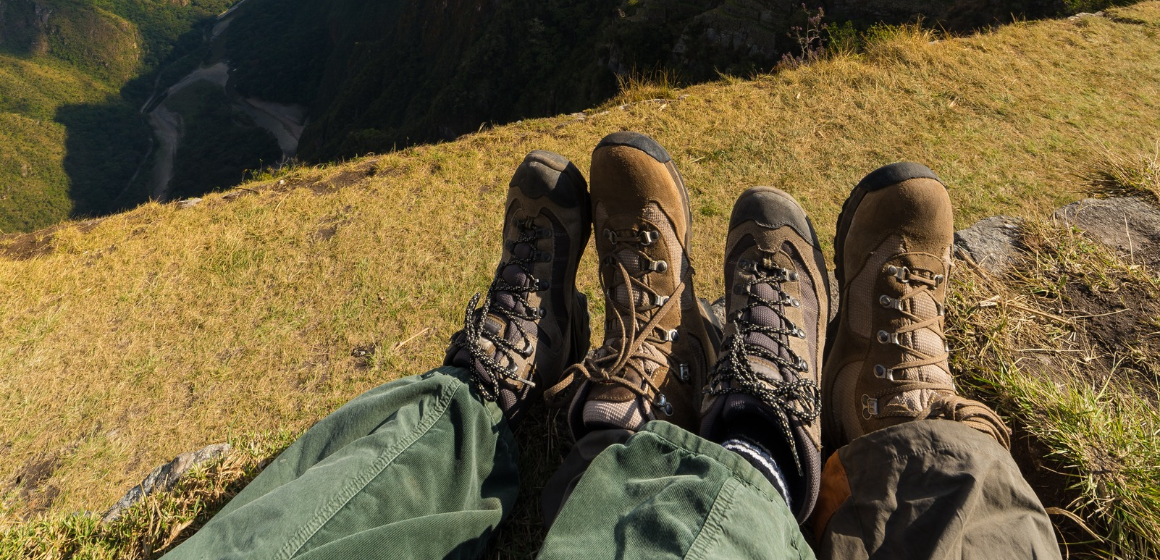
Hiking boots (1 pair): the single most important thing you'll pack. The Inca Trail is mostly uneven stone steps, some steep and high, and they can be slippery when wet. Waterproof, mid or high-cut boots with good ankle support and a grippy sole are the best choice. Wear them on the journey to Peru rather than packing them; boots are hard to replace if your luggage goes missing.
Camp shoes (1 pair): lightweight trainers, trail shoes or sandals to wear around camp in the evenings. Giving your feet a break from boots after a long day helps them recover, and it lets your boots air out overnight.
Gaiters (optional): useful in the wet season to keep mud and rain out of your boots.
New boots should never come out of the box for the first time in Cusco. See the section on testing your kit below for how to break them in.
Equipment
On our Classic Inca Trail trek, you'll sleep in four-person tents shared between two trekkers, set up for you by the team, with foam air mats and pillows included. Safe drinking water (boiled, filtered and cooled) is provided from the first lunch to the final breakfast. That leaves a short list of kit to sort yourself.
Walking poles: strongly recommended. The trail has thousands of stone steps, and poles take strain off your knees on the long descents of day two and day three. Inca Trail rules require poles to have rubber tips to protect the ancient stonework, so check yours fit snugly and pack a spare set, as they wear down and can pull off between rocks. Collapsible poles are easiest to travel with and to strap to your daypack when you need your hands free. Rules on using poles inside Machu Picchu itself can change, so follow your guide's advice on the final day.
Sleeping bag: campsites are at up to 3,600m, and nights can drop close to or below freezing, especially from May to August. A bag with a comfort rating of around -5°C is a sensible choice. It counts towards your 7kg porter allowance, so a lightweight, compressible bag helps. If you'd rather not bring your own, hiring a sleeping bag locally is an option.
Sleeping bag liner: adds a few degrees of warmth, keeps your bag clean and is essential if you hire a bag.
Head torch: you'll use it every day, for the 4:30am pick-up, evenings in camp, night-time trips to the toilet and the pre-dawn walk to the Sun Gate. Bring spare batteries or make sure it's rechargeable.
Water bottles or hydration bladder: enough to carry at least 2 litres. A bladder makes it easy to sip while walking; a bottle is easier to refill and to check how much you've drunk. Fill up at your hotel before the pick-up on day one, as treated water starts at the first lunch.
Power bank: there's no electricity on the trail. A power bank that can fully charge your phone two or three times will cover photos and an alarm.
Dry bags or zip-lock bags: to keep clothes, electronics and documents dry inside your duffel and daypack.
Quick-dry travel towel (small): for washing at camp.
Seasonal packing: dry season vs wet season
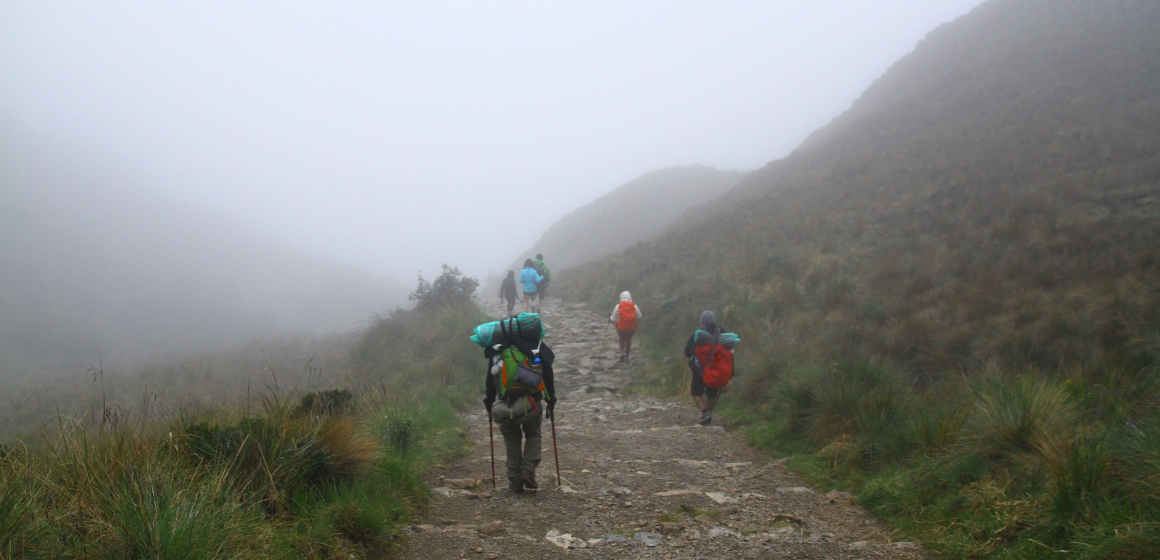
The Cusco region has a dry season from April to October and a rainy season from November to March. The Inca Trail closes every February for maintenance. Whatever month you trek, pack for all weather, then adjust with the extras below. For a month-by-month breakdown of conditions, see our guide to the best time to hike the Inca Trail.
Dry season (April to October)
Days are generally clearer and sunnier, but nights are colder, particularly from June to August, when temperatures at the higher campsites can fall below freezing.
- A warmer sleeping bag, or a liner to boost the one you have
- Warmer gloves and a thicker hat for camp
- An extra thermal layer for evenings
- Plenty of high-SPF sun cream and SPF lip balm, as clear skies at altitude mean intense UV
- Lip balm and moisturiser for the dry air
Wet season (November to March)
Temperatures are milder, but rain can be heavy and frequent, and the stone steps get slippery.
- A fully waterproof jacket and overtrousers, not just shower-resistant
- A rain cover for your daypack, plus dry bags or bin liners inside it
- A lightweight poncho, which can go over both you and your pack
- Gaiters to keep mud out of your boots
- An extra pair of socks and underwear
- Quick-dry clothing, as wet items may not dry overnight
- Insect repellent for the cloud forest and Aguas Calientes, where biting insects are more active
In heavy rain between December and March, the third night may occasionally be moved from Wiñay Wayna to a campsite in Aguas Calientes for safety. This doesn't change what you need to pack, but it's a good reason to keep your daypack organised and waterproofed.
Medication and first aid
Our guides are trained in first aid and high-mountain rescue, and the team carries a medical kit and satellite phone at all times. A small personal kit is still worth having, so you can deal with minor problems straight away without waiting for the group.
- Any prescription medication: bring enough for the whole trip plus a few spare days, in original packaging, with a copy of the prescription.
- Altitude medication: Cusco sits at around 3,400m and the trail peaks at 4,215m. Talk to your GP or a travel clinic about whether altitude medication such as acetazolamide (Diamox) is right for you, ideally several weeks before you travel.
- Painkillers: paracetamol and/or ibuprofen for headaches and sore muscles.
- Blister kit: blister plasters, zinc oxide tape and a small pair of scissors. Treat hot spots as soon as you feel them.
- Rehydration sachets: useful at altitude and if you have an upset stomach.
- Anti-diarrhoea tablets: a change in diet and water can unsettle your stomach.
- Antihistamines: for bites, stings or mild allergic reactions.
- Plasters and antiseptic wipes: for small cuts and grazes.
- Travel sickness tablets: the early-morning drive to KM 82 and the return by bus and train include winding roads.
- Insect repellent and bite cream: most useful from day three onwards, at lower altitude.
Always speak to your GP or a travel health clinic before your trip for advice on vaccinations and medication specific to you. Travel insurance covering medical expenses, including emergency evacuation and repatriation, is compulsory on our Inca Trail treks; make sure your policy covers trekking to 4,215m.
Women's health and hygiene on the Inca Trail
Having your period on the trek is completely manageable with a little planning. Travel, altitude, early starts and physical effort can all affect your cycle, so it's worth packing period products even if you don't expect to need them.
Choosing period products for the trek
- Tampons and pads: familiar and easy. Choose applicator-free tampons to cut down on waste, and bring more than you think you'll need. Everything used must be carried out (see below).
- Menstrual cup or disc: produces no waste on the trail and can be worn for up to 12 hours, which suits long trekking days. You'll need clean hands to empty and reinsert it, so use hand sanitiser or treated water, and only use one if you're already comfortable with it.
- Period pants: comfortable and good as back-up, but there's limited opportunity to wash and dry them on the trail. Bring enough pairs to last, and a zip-lock bag to store used ones.
- Panty liners: useful for light days, and for feeling fresher between changes of underwear.
What to pack
- Your chosen period products, plus spares
- Hand sanitiser and unscented wet wipes
- Opaque bags (such as dog poo bags or nappy bags) to wrap used products
- Zip-lock bags to carry them out
- Painkillers for period pain
- A small pouch to keep everything together in your daypack, so you can grab it quickly at toilet stops
Practical tips
- Toilets along the trail and at campsites are basic. Keep your period kit in your daypack, not your duffel, as you won't have access to the duffel during the day.
- Your head torch is invaluable for night-time trips to the toilet.
- If you'd rather not have your period during the trek, speak to your GP well before you travel about whether delaying it is an option for you.
- Wear breathable underwear, change it daily and drink plenty of water, which helps lower the risk of thrush and urinary tract infections. Ask your GP or pharmacist about bringing treatment just in case.
- Guides are used to helping trekkers with this. If you need an extra stop or have a problem, let them know.
Keeping clean without showers
You won't have a proper shower for four days, and that's part of the experience. A few simple habits will keep you feeling fresh and help you avoid stomach bugs.
- Hands first: use hand sanitiser after every toilet stop and before every meal and snack. This is the single most effective way to stay well on the trail.
- Wet wipes: a pack of large, unscented body wipes for a quick wash in your tent each evening. Plan on two or three a day.
- Washing water: many trekking teams bring a small bowl of warm water to each tent in the morning and evening. A small travel towel and a little biodegradable soap make the most of it.
- Dry shampoo: a small can or powder makes a noticeable difference by day three. A cap or buff hides the rest.
- Teeth: brush with treated water, never water from streams.
- Change at camp: swap into your clean sleepwear and sleeping socks every evening, and air your walking clothes and boots overnight.
- Deodorant: a small stick or roll-on rather than a full-size aerosol.
- Feet: dry them properly, check for hot spots and put on fresh socks each morning. A small tube of foot powder or cream helps keep them in good shape.
You'll be back in Cusco on the evening of day four, so pack a full wash kit and a fresh set of clothes in the luggage you leave at your hotel.
A word on waste
The Inca Trail runs through the Historic Sanctuary of Machu Picchu, a protected area and UNESCO World Heritage Site, and around 500 people walk it every day, including guides and porters. The rule is simple: everything you bring in, you carry out.
- Pack zip-lock bags: bring several for used wipes, toilet paper, period products and snack wrappers. Even "biodegradable" wipes take a long time to break down and must never be left on the trail.
- Decant your toiletries: large bottles of shampoo, shower gel and sun cream add weight and waste. Transfer what you need into small, refillable travel bottles, or switch to solid alternatives such as shampoo bars and solid sun cream sticks.
- Strip packaging before you go: take snacks out of bulky multipacks and boxes in Cusco and repack them in reusable bags or a single zip-lock.
- Avoid single-use plastic: single-use plastic bottles are not permitted on the trail or at Machu Picchu, so bring reusable bottles or a bladder.
- Batteries: use rechargeable ones, or carry used batteries home with you.
- Leave natural things where they are: stones, plants and anything from the Inca sites stay on the trail.
Waste from meals and camp is handled by the trekking team, but your personal waste is your responsibility until you're back in Cusco.
Documents and money
- Passport: the original, and the same one you used to book your Inca Trail permit. It's checked at the trail checkpoint at KM 82 and again at Machu Picchu, so keep it in a waterproof pouch in your daypack.
- Travel insurance details: your policy number and emergency contact number, saved on your phone and on paper.
- Copies: a photo of your passport and insurance documents on your phone, plus a paper copy kept separately.
- Peruvian soles in cash: there are no cash machines on the trail. Bring small notes for snacks or drinks sold at the start of the trail, toilets that charge a small fee, and tips. Tipping your porters, cooks and guide is optional but customary; the tour page gives a guide to typical amounts.
There's no Wi-Fi or phone signal for most of the trek. Every booking with The Adventure People includes a free eSIM with data on arrival, so you can stay connected in Cusco and Aguas Calientes.
Test everything before you go
The Inca Trail is not the place to discover that your boots rub or your pack strap digs in. Anything you buy specifically for the trek should be used at home first, ideally on the training walks you're already doing. Our fitness and training guide has ideas for those.
- Break in your boots: wear them for several weeks before you travel, starting with short walks and building up to full days on hills and steps. Wear the socks you'll trek in. Pay attention to how they feel on descents, where toes tend to hit the front.
- Try your walking poles: practise adjusting the length (shorter for climbing, longer for descending) and using them on steps and steep downhills. Check the rubber tips stay on.
- Load your daypack: walk with it packed to the weight you'll carry on the trail, around 5–6kg with water, and adjust the hip belt and straps until it sits comfortably.
- Test your layers: go out in cold, wet or windy weather and check your waterproofs keep you dry and your layers work together.
- Sleep in your sleeping bag: a night in the garden or a cold room tells you whether you'll need a liner or extra layers.
- Check your head torch and power bank: charge them, test them, and know how to switch the torch to red light so you don't dazzle your tentmate.
- Fill your hydration bladder: check it doesn't leak and that you can drink from it easily while walking.
- Try new period products: if you're switching to a menstrual cup or period pants, use them for at least one cycle at home first.
- Taste-test your snacks: energy gels and bars that are new to you can disagree with your stomach at altitude.
- Do a full pack: put everything into the duffel and weigh it, so there are no surprises at the briefing.
Nice to have
None of these are essential, but if you have space and weight to spare, they can make the trek more comfortable.
- Earplugs and an eye mask: campsites can be busy, and tent walls are thin.
- A reusable bottle you can fill with hot water: ask for hot water at night and put it in your sleeping bag for a cheap, effective hot water bottle. Check the bottle is rated for boiling water first.
- Hand warmers: for cold mornings on the climb to Dead Woman's Pass, especially from June to August.
- A camping mug: for extra tea or coca tea in camp.
- Electrolyte tablets: a tasty way to drink more water and replace salts.
- A knee support: if your knees struggle with long descents.
- Water purification tablets: a lightweight back-up for the first morning, before treated water is provided.
- A small notebook and pen: for recording each day while it's fresh.
- Playing cards: for evenings in the dining tent.
- Binoculars: for spotting birds and orchids in the cloud forest.
- A female urination device: some female trekkers find these useful for toilet stops on the trail.
- A lightweight seat pad: for rest stops on cold or damp stone.
Ready to pack?
The best Inca Trail packing list is a short one: good boots you've broken in, layers that work together, waterproofs you trust, and a duffel that comes in under 7kg. Everything else is about staying comfortable and leaving the trail as you found it.
Before you pack, check the kit list and luggage allowance on your own tour page, as these can vary between operators and routes. On our Classic Inca Trail & Machu Picchu – 4 Days trek, you can download the full trip brochure, which includes the packing and kit list.
More Inca Trail planning guides: