Best time to hike the Inca Trail: a month-by-month guide
Info on the weather, trail conditions and crowds for every month of the year

by The Adventure People on 30th October 2026
Would you like to write for our blog? Please send an email to hello@theadventurepeople.com we'd love to hear your ideas!
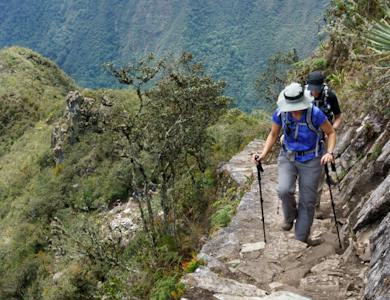
The Inca Trail is open for 11 months of the year, closing only in February for maintenance. Every other month, you can walk the ancient stone path from the Sacred Valley over the high Andean passes and through the cloud forest to the Sun Gate and Machu Picchu.
Each month brings a different trail. The dry season, from May to September, has the clearest skies and the coldest nights, and permits sell out first. The rainy months bring cloud, mud and showers, but also lush green valleys, waterfalls and orchids in bloom.
This guide breaks the year down month by month, using official weather data from Peru's national weather service (SENAMHI). You'll find what to expect on the trail, how likely you are to see rain or clear skies, how busy it gets, and what to pack.
When's the best time to hike the Inca Trail: The quick answer
For the driest trail and clearest views, hike from May to September. For a quieter trail with green landscapes and easier permits, try April or October. The wettest months are December, January and March, and the trail is closed in February.
- Driest months: June to August, with the clearest skies over the high passes.
- Coldest nights: June and July, when the highest campsite can drop below freezing.
- Best shoulder months: April and October, with a good balance of weather, scenery and permit availability.
- Hardest permits to get: May to August, which usually sell out months in advance.
- Closed: February, every year.
Because the government limits the trail to 500 people a day, including guides, cooks and porters, the trail itself never gets as crowded as Machu Picchu. In the busy months, the challenge is getting a permit rather than sharing the path.
Month | Season | Weather in brief | Permit demand | Best for |
|---|---|---|---|---|
January | Rainy | Very wet; cloud and daily showers | Low | Lush scenery and easier permits |
February | Rainy | Wettest stretch of the year | Trail closed | Hike Salkantay or Lares instead |
March | Rainy | Still very wet; waterfalls in full flow | Low | The greenest landscapes |
April | Shoulder | Rain easing; clearer days | Medium | Green valleys with drier trails |
May | Dry | Mostly dry and clear; orchids in bloom | High | Clear views with fresh scenery |
June | Dry | Dry, sunny days; cold nights | Very high | Reliable weather and festival season in Cusco |
July | Dry | Driest and coldest nights | Very high | Clear skies over the passes |
August | Dry | Dry and sunny; warming up | Very high | Reliable weather |
September | Dry | Dry, warmest days of the year | High | Warm days with clear views |
October | Shoulder | Showers return; mostly good | Medium | Fewer people, still decent weather |
November | Rainy | Wetter, with afternoon showers | Low | Quieter trail |
December | Rainy | Wet and humid; cloud on the passes | Low | Festive-season trips and easier permits |
Rain through the year
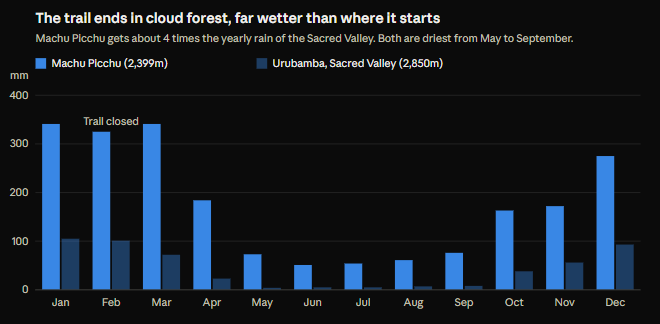
The Inca Trail starts in the dry Sacred Valley and finishes in the cloud forest around Machu Picchu, which gets several times more rain. Both follow the same pattern: a dry season from May to September, and a long rainy season that peaks from December to March.
Inca Trail weather and conditions, month by month
The Inca Trail crosses two very different climates. It starts in the dry, open Sacred Valley, climbs over Dead Woman's Pass at 4,215m, then drops into humid cloud forest on the final day to Machu Picchu. To show both ends, each month below starts with official SENAMHI averages (1991–2020) from two weather stations:
- Urubamba (2,850m), in the Sacred Valley near the start of the trail.
- Machu Picchu (2,399m), in the valley below the citadel at the end of the trail.
The highest campsites sit at around 3,600m to 3,800m, where nights are several degrees colder than either station. As a rule of thumb, temperatures drop about 6°C for every 1,000m you climb.
January
At a glance: Sacred Valley highs around 22°C, lows around 10°C · Machu Picchu highs around 21°C, lows around 12°C · Rain: very wet, especially in the cloud forest
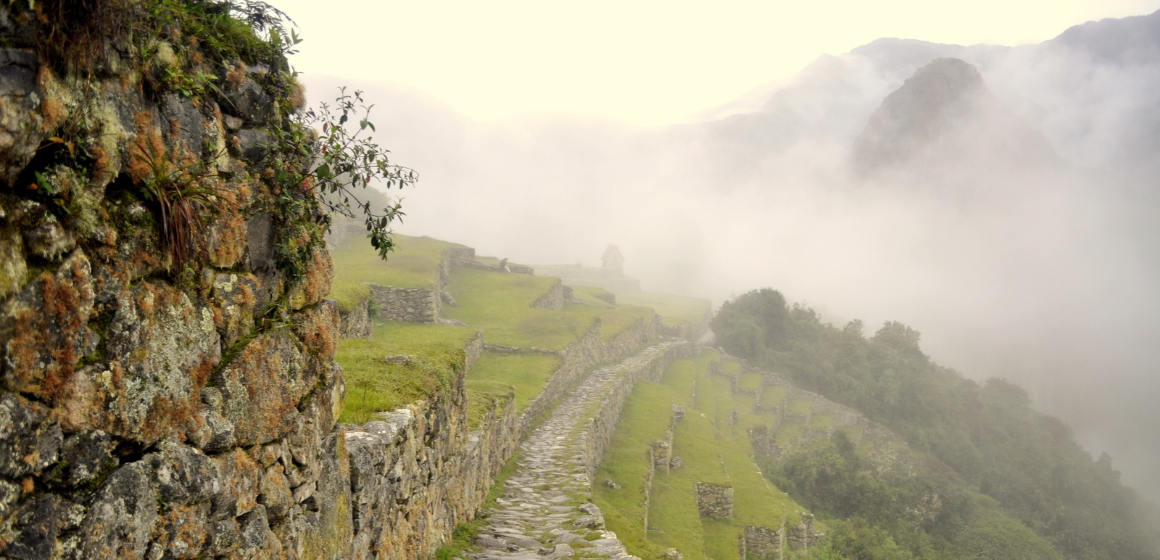
January is the heart of the rainy season. Expect showers most days, often heavy in the afternoon, and cloud that can hide the high passes and the view from the Sun Gate. The stone steps get slippery, and the final day through the cloud forest is the wettest stretch of all.
The upside is a trail that feels wild and green, with waterfalls, mist and fewer hikers. Permits are much easier to find than in the dry season.
Pack and plan: a fully waterproof jacket and trousers, a pack liner and dry bags, quick-drying clothes and spare socks. Boots with good grip are essential on wet stone. Allow flexibility in your plans in case landslides delay trains to and from Machu Picchu.
February
At a glance: the Inca Trail is closed all month for maintenance and conservation.
February is the wettest part of the year, and the authorities close the whole Inca Trail network so crews can repair the path and let the landscape recover. No permits are sold for February.
Machu Picchu itself stays open, and other routes to the citadel, such as the Salkantay and Lares treks, remain an option. If you're set on the Classic Inca Trail, plan for March or later.
March
At a glance: Sacred Valley highs around 22°C, lows around 9°C · Machu Picchu highs around 21°C, lows around 12°C · Rain: very wet in the cloud forest, easing in the Sacred Valley
The trail reopens in March, freshly repaired after its February closure. March is still one of the wettest months at Machu Picchu, but rain in the Sacred Valley starts to ease. Rivers and waterfalls are at their fullest, and the valleys are a deep, vivid green.
It's a quiet month on the trail, so it suits hikers who don't mind the rain and want a peaceful experience.
Pack and plan: the same wet-weather kit as January. Bring a small towel and a spare set of dry clothes for camp. Insect repellent helps in the humid cloud forest.
April
At a glance: Sacred Valley highs around 23°C, lows around 8°C · Machu Picchu highs around 22°C, lows around 12°C · Rain: moderate, with drier days becoming more common
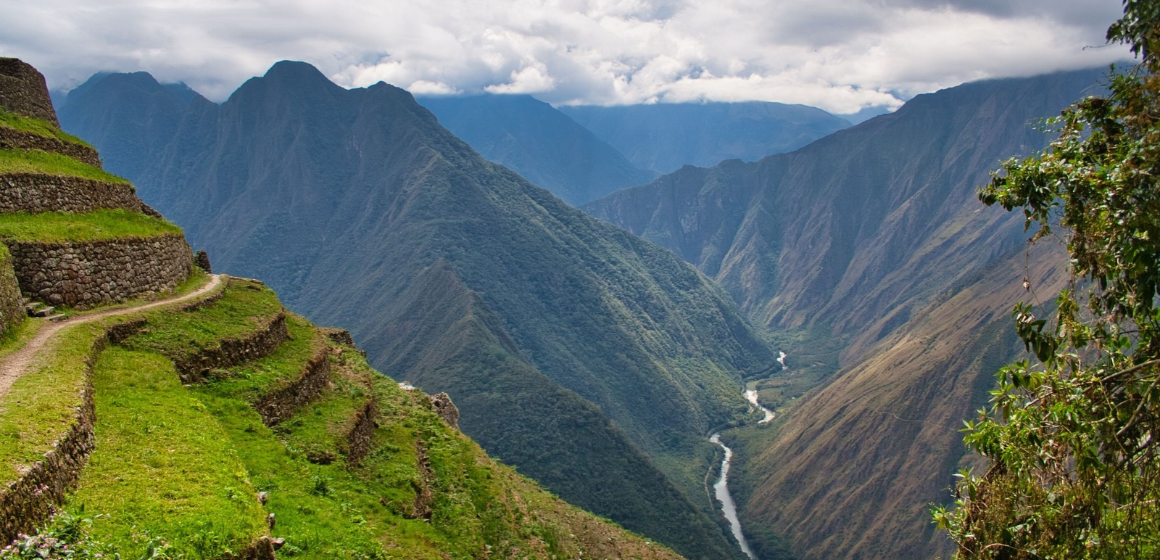
April is a shoulder month, as the rains fade and the dry season begins. Mornings are often clear, with showers more likely later in the day, especially near Machu Picchu. The landscape is still lush from the rains, which makes it one of the most photogenic months on the trail.
Permits are easier to get than in the peak months, though popular dates still fill up.
Pack and plan: a waterproof jacket and pack cover for afternoon showers, plus a warm layer for cooler nights at the high camps. Book a few months ahead.
May
At a glance: Sacred Valley highs around 23°C, lows around 5°C · Machu Picchu highs around 22°C, lows around 11°C · Rain: mostly dry, with the odd shower in the cloud forest
May marks the start of the dry season, and for many hikers it's the sweet spot. Skies are usually clear, the trail is drying out, and the hillsides are still green after the rains. Look out for orchids along the final day through the cloud forest.
Demand for permits rises sharply, so May dates sell out well in advance.
Pack and plan: sun protection for bright days, a warm jacket and hat for cold nights at the high camps, and a light waterproof for the cloud forest. Book as early as you can.
June
At a glance: Sacred Valley highs around 23°C, lows around 3°C · Machu Picchu highs around 22°C, lows around 10°C · Rain: dry
June brings reliably dry, sunny days and crisp, clear nights. It's one of the best months for views from Dead Woman's Pass and the Sun Gate. Nights are cold, and at the highest campsites they can drop below freezing.
June is festival season in the region: Inti Raymi, the Inca Festival of the Sun, takes place in Cusco on 24 June. Permits and hotels in Cusco are in very high demand around this time.
Pack and plan: a warm sleeping bag, a down jacket, a hat and gloves for evenings at camp, plus sunscreen and sunglasses for the day. If you'd like to see Inti Raymi, plan your trek around it and book early.
July
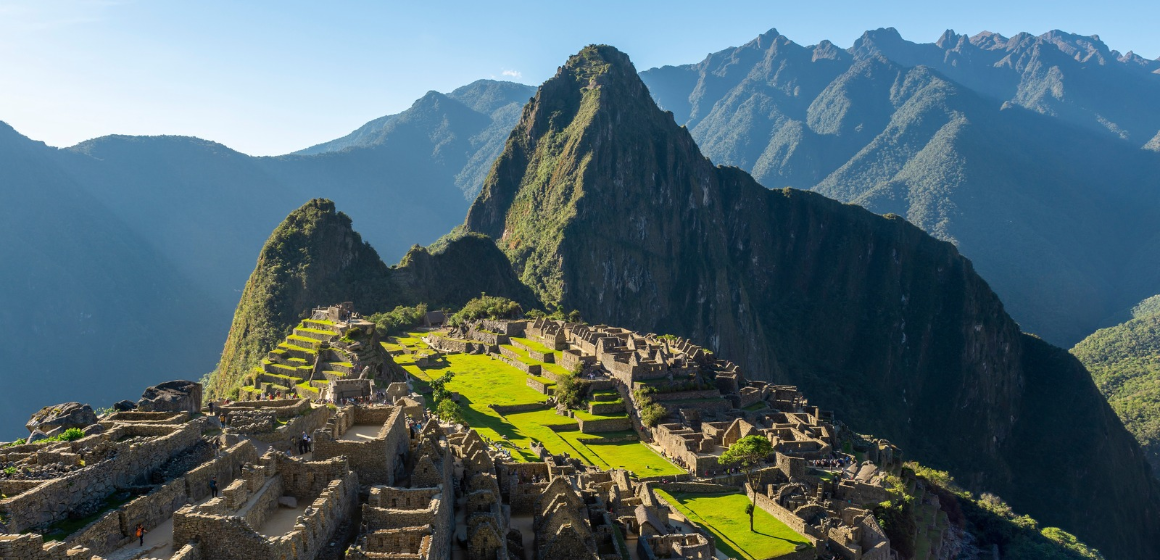
At a glance: Sacred Valley highs around 22°C, lows around 2°C · Machu Picchu highs around 22°C, lows around 9°C · Rain: dry
July is one of the driest months and has the coldest nights of the year. Days are sunny and clear, which makes for superb mountain views, but temperatures fall fast once the sun goes down.
This is peak season on the trail and at Machu Picchu, with permits often selling out soon after release.
Pack and plan: full warm kit for camp: a sleeping bag rated well below freezing, thermal base layers, a down jacket, hat and gloves. Layers you can strip off quickly help on the warm, steep climbs during the day.
August
At a glance: Sacred Valley highs around 23°C, lows around 4°C · Machu Picchu highs around 23°C, lows around 10°C · Rain: dry, with occasional showers late in the month
August is still firmly dry season, with sunny days and clear views. Nights stay cold at the high camps but start to warm slightly as the month goes on.
It's one of the busiest months, helped by summer holidays in Europe and North America, so permits are in high demand.
Pack and plan: as for July, with sun protection for long, bright days. A buff or neck gaiter helps against dust on drier sections of the trail.
September
At a glance: Sacred Valley highs around 24°C, lows around 6°C · Machu Picchu highs around 23°C, lows around 11°C · Rain: mostly dry, with showers becoming more frequent
September has the warmest days of the year at Machu Picchu and is still mostly dry. Nights are less bitter than in July, and the views over the passes are usually clear. Towards the end of the month, the first showers of the coming rainy season can roll in, especially in the cloud forest.
Permit demand eases a little after the August peak, but September remains a popular month.
Pack and plan: warm layers for camp, sun protection for the day, and a light waterproof for the occasional shower.
October
At a glance: Sacred Valley highs around 24°C, lows around 8°C · Machu Picchu highs around 23°C, lows around 12°C · Rain: moderate, with showers most likely in the afternoon
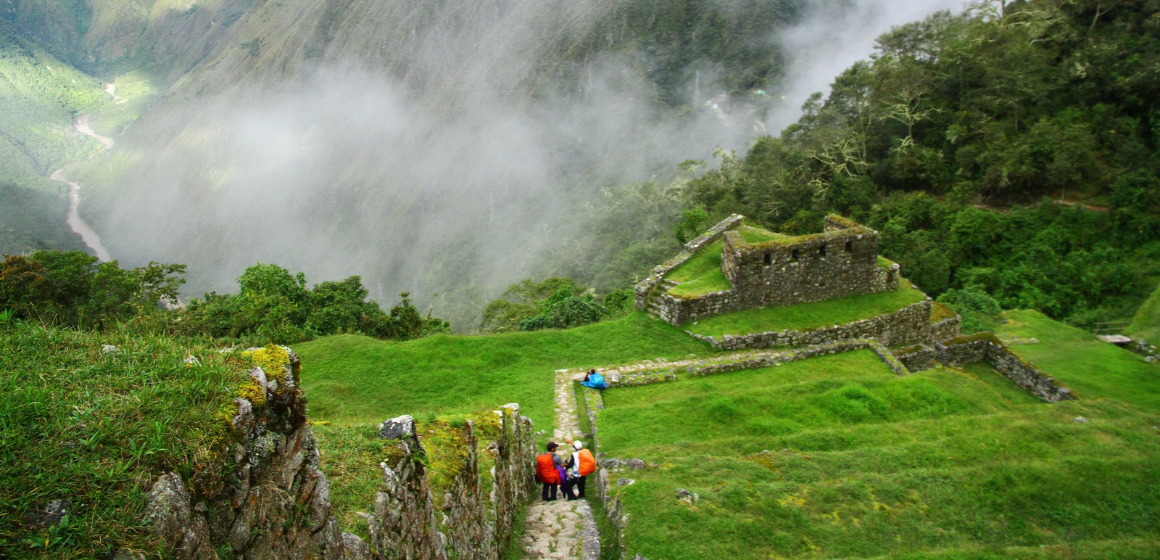
October is a shoulder month as the rains return. Mornings are often clear, with afternoon cloud and showers becoming more common, particularly near Machu Picchu. Nights at the high camps are milder than in the dry season.
Permits are easier to find than in the peak months, making October a good choice for hikers with flexible dates.
Pack and plan: a reliable waterproof jacket and pack cover, quick-drying layers and a warm layer for evenings. Start walking early to make the most of the clearer mornings.
November
At a glance: Sacred Valley highs around 24°C, lows around 9°C · Machu Picchu highs around 23°C, lows around 12°C · Rain: wet, with regular afternoon showers
The rainy season settles in through November. Showers become a regular part of the day, and cloud often gathers over the passes in the afternoon. Between the rain, there are still bright spells and plenty of greenery.
It's one of the quieter months on the trail.
Pack and plan: full waterproofs, dry bags and spare socks. Boots with good grip help on wet stone steps.
December
At a glance: Sacred Valley highs around 23°C, lows around 9°C · Machu Picchu highs around 21°C, lows around 12°C · Rain: very wet, especially in the cloud forest
December is firmly in the rainy season, with frequent showers and humid air in the cloud forest. Views from the passes and the Sun Gate can come and go with the cloud, but the trail is lush and atmospheric.
Permits are easier to find, though the Christmas and New Year period is popular with holidaymakers.
Pack and plan: the same wet-weather kit as January. If you're travelling over Christmas or New Year, book early.
What to pack for each season
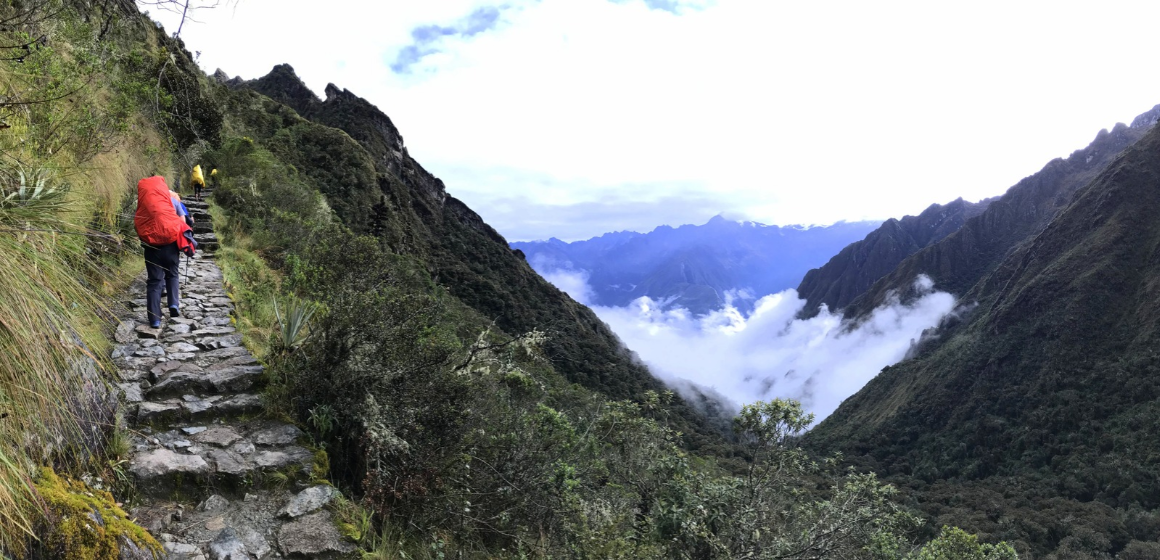
Your core kit stays the same all year: broken-in walking boots with good grip, a layering system, a warm sleeping bag, sun protection, insect repellent and a refillable water bottle. What changes is how much warmth and waterproofing you need.
Season | Months | Conditions to plan for | Extra kit to bring |
|---|---|---|---|
Rainy season | November–March (trail closed in February) | Daily showers, slippery stone steps, cloud on the passes, humid cloud forest | Waterproof jacket and trousers, pack liner and dry bags, quick-dry clothing, spare socks, a small towel |
Shoulder months | April and October | Clearer mornings, afternoon showers, mild nights | Light waterproof and pack cover, a warm mid-layer, sun protection |
Dry season | May–September | Sunny days, cold nights, frost at the highest camps in June and July | Sleeping bag rated below freezing, down jacket, thermal base layers, hat and gloves, sunglasses, a buff for dust |
Whatever the month, bring trekking poles with rubber tips, which are required to protect the original Inca stonework, and a headtorch for early starts on the final day to the Sun Gate.
Timing questions
For everything else, from permits to fitness, see our Inca Trail FAQs.
What is the best month to hike the Inca Trail?
May is a favourite for many hikers, with dry, clear weather and landscapes still green from the rains. June to August are the driest months but also the coldest at night and the hardest to get permits for. April and October are good shoulder-season choices.
Can you hike the Inca Trail in the rainy season?
Yes, in every rainy-season month except February, when the trail is closed. Expect daily showers and slippery steps, but also lush scenery and easier permits. Good waterproofs make all the difference.
What is the coldest month on the Inca Trail?
July has the coldest nights, closely followed by June. Official records show average lows of about 2°C in the Sacred Valley, and the highest campsites are colder still, often dropping below freezing.
Is the Inca Trail busy in peak season?
The trail itself is limited to 500 people a day, including guides and porters, so it never gets as crowded as Machu Picchu. In peak season, the challenge is getting a permit rather than finding space on the trail.
How far ahead should I book?
For May to August, book as soon as permits for your year go on sale, usually in the autumn of the year before. For other months, a few months ahead is usually enough.
Ready to book your Inca Trail trek?
Check out our full range of Inca Trail treks and book your preferred departure.
Further Reading
Continue your preparation for the Inca Trail with these handy articles on our website: