The Inca Trail
Frequently Asked Questions
We often receive questions about the Inca Trail. For most people this is a once in a lifetime trek and so, its important to get a full understanding. To help get some answers on some common questions we've written a list of the most asked Inca Trail questions and added our answers. If you have any further questions about the trek itself, the gear, the weather or anything you can think of, please don't hesitate to get in touch.
Is The Inca Trail difficult?
The most common question! The Inca Trail is considered a moderate trek but it is worth noting there are a lot of staircases to climb and altitude can affect the body (and everyone In different ways). It is recommended that trekkers take a walking stick to assist with balance and to support knees.
Read our The Inca Trail – Am I Fit Enough? article for more information.
How many hours do we hike each day?
Lots of people ask about distance but really, the distances give a false idea as much trekking is up and down rather than flat. The estimate is around 6 to 9 hours trekking including rests for the first three days and around 2 hours on the final day.
Are there any physical requirements to trek The Inca Trail?
To trek the Inca Trail with you must be over the age of 12, with a moderate level of fitness, and hold a passport that is valid for up to six months.
Read our The Inca Trail – Am I Fit Enough? article for more details on fitness requirements and a training plan to help prepare for the trek.
How high is the trail?
The trek begins at 2,800m (9,186 ft). The highest point you’ll reach on the trek is approximately 4,200m (13,780ft). You’ll also sleep at 3,600m (11,811 ft) for at least one night.
How long is the Inca Trail?
The Classic Inca Trail is around 42km (26 miles) long and takes four days to walk. The first three days involve roughly six to nine hours of trekking each, and the final morning is a shorter walk of around two to three hours to the Sun Gate and Machu Picchu. Because so much of the trail climbs and descends steep stone steps, the hours on foot are a better guide to the effort than the distance.
How cold might it get?
It can get chilly due to the altitude. During the Andean winter (May – September) the temperature can drop below zero at night. It can be cool during the summer months too, so we suggest bringing thermal underwear and a warm sleeping bag.
Is it common to get altitude sickness?
It’s impossible to predict who will be affected by the altitude as your ability to adapt can vary from person to person. We do recommend you undertake the trek in a good state of physical fitness. Most of our travellers have no problem, as long as they take the time to acclimatize properly. This might include spending a full day in Cuzco (3,249m [10,659 ft] above sea level) and drinking plenty of water.
When is high season on the Inca Trail?
Hiking the Inca Trail is popular all year round, however May to September is considered the high season. This means that permits can be sold out months in advance. However, if permits are not available, there is an option to walk the Lares Trek, which still takes you to Machu Picchu.
Is the Inca Trail closed in February?
When is the Inca Trail open?
The Inca Trail is open from March to January and closed every February. The dry season, from around April or May to September, is the most popular time to trek, while November to March is the rainy season, when trails can be muddy but there are fewer trekkers.
How much does it cost to hike the Inca Trail?
Our Classic Inca Trail & Machu Picchu - 4 Days trek starts from £610 per person. That includes your Inca Trail permit and Machu Picchu entrance, transfer to the trailhead, local guides and porters, three nights' camping, meals on the trek and the Vistadome train back towards Cusco. Not included are international flights, travel insurance, tips for the trekking team and optional extras such as sleeping bag hire.
How do I book the Inca Trail?
Inca Trail permits are only issued to licensed tour operators, so the way to book is through a guided trek. Choose your Inca Trail tour and departure date, and we'll apply for your permit using your passport details: full name, date of birth, nationality, passport number and expiry date. Permits are limited and sell out months ahead in peak season, so book as early as you can. Find out why it's a good idea to book your Inca Trail trek early, or read our Inca Trail permits FAQs.
How far in advance should I book?
To reserve a spot on the Inca Trail, we recommend you book your tour at least six months in advance during high season (May to October) and three months in advanced during low season (November to April).
Do I need a permit?
Yes. We require the following information for the purchase of an Inca Trail permit:
- Full name (as it appears on your passport)
- Date of birth
- Nationality
- Passport number
- Date of passport expiry (*Must be valid for the date of travel)
Please note that any attempts to modify your personal information will result in the loss of the permit. A refund will not be possible so make sure you double-check your information. As well, there’s a limited amount of permits in effort to preserve the trail.
Can you do the Inca Trail on your own?
No. Independent trekking on the Classic Inca Trail isn't allowed. Every trekker must go with a licensed tour operator and an official guide, and permits can only be bought through these operators. If you'd rather not join a group, many treks, including ours, can be booked as a private departure for just you and your travel companions.
Does the Inca Trail lead to Machu Picchu?
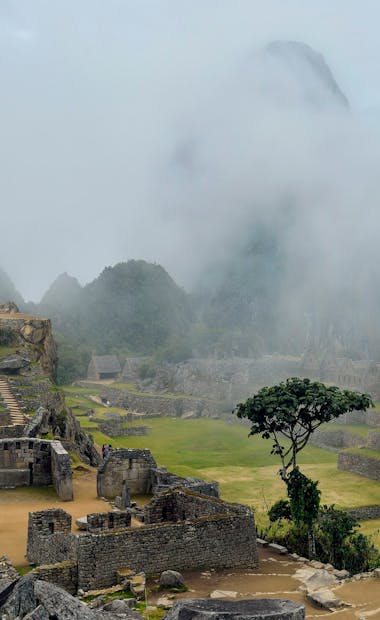
Yes. The Classic Inca Trail is the only trek that follows the original Inca road all the way to Machu Picchu. On the final morning you walk through the Sun Gate (Inti Punku), where you get your first view of the citadel, then descend into Machu Picchu for a guided tour. Other treks, such as the Salkantay and Lares, finish in the valley below and continue to Machu Picchu by train and bus.
How much time do we spend at Machu Picchu?
Reaching Machu Picchu depends on the campsite assigned to your group on the third night. However, many groups will reach the Sun Gate at around 6:00am. You’ll have plenty of time to soak in the ruins thanks to a two-hour guided tour and some free time to explore afterwards.
Where does the Inca Trail start?
The Classic Inca Trail starts at Kilometre 82 (also known as Piscacucho), a point on the railway line through the Sacred Valley, around three hours by road from Cusco. On our Classic Inca Trail trek, the team picks you up from your hotel in Cusco, Urubamba or Ollantaytambo at around 4:30am and drives you to the trailhead, where your permit and passport are checked before you set off.
Where does the Inca Trail end?
The Inca Trail ends at Machu Picchu, reached on foot through the Sun Gate on the morning of Day 4. After a guided tour and time to explore, you take the bus down to Aguas Calientes, then the train back towards Cusco.
How do we get back to Cusco?
After you’ve taken in all the beauty of Machu Picchu, your group will travel by bus to Aguas Calientes and then catch a train back to Ollantaytambo, where you meet you’ll take a bus back to Cuzco.
What type of accommodation can I expect?
We use three-man tents to accommodate two same-sex travellers. There are a few places on the trail where permanent (but very rustic) toilet facilities exist, and when they’re not available, your crew will set up portable toilet tents.
Do porters carry our luggage on the Inca Trail?
Yes! We’ll provide you with a large stuff sack where you can place 6kg of your personal items (including your tent and sleeping bag). Our skilled porters will carry these bags while you hike the Inca Trail.
Your other personal items will be stored safely at our hotel in Cusco.
All you need to carry is a daypack containing the things you’ll need during the day like water, camera, sunscreen, or anything else that’s over the 6kg allowance.
How much should you tip porters on the Inca Trail?
Tipping is optional but customary, and it's a meaningful part of your trekking team's income. As a guide, groups usually pool their tips and give, from the group as a whole, around 60–80 soles per porter, 120–150 soles per cook and 160–200 soles for the guide. Tips are normally handed over on the last evening of the trek, often in a small thank-you gathering with the whole crew. Bring the money in Peruvian soles in small notes, as there are no cash machines on the trail.
What size daypack do I need for the Inca Trail?
A daypack of around 20 to 30 litres is ideal. Porters carry up to 7kg of your personal kit, including your sleeping bag and mat, so your daypack only needs to hold what you need during the day: at least two litres of water, snacks, waterproofs, a warm layer, sun cream, a camera and your passport. Look for one with a padded hip belt, a chest strap and a rain cover, and test it on long training walks before your trip.
Where do you sleep on the Inca Trail?
You sleep in tents at official campsites along the trail. There are no lodges or huts on the Classic Inca Trail. On our trek, each pair of trekkers shares a four-person Eureka tent, giving you room for your bags, and tents come with pillows and foam mats. Porters carry the tents and have them set up when you arrive at camp each afternoon. Our itinerary uses campsites at Ayapata, Chaquicocha and Wiñay Wayna, though campsites are allocated by the authorities and can occasionally change, for example after heavy rain. Bring a warm sleeping bag, or hire one in Cusco, as nights at the higher camps can drop below freezing.
Will I be given a sleeping bag and mat?
Sleeping bags are not provided, so we recommend bringing a compact three-season sleeping bag. You can also rent a sleeping bag in Cusco; just let us know when you book. Travellers are provided with foam mats, but please feel free to bring your own-self inflating mat if you’d like.
What type of food can I expect?
Cooks prepare excellent high-quality meals that are perfect for a day of trekking. The menu usually includes: pasta, rice, chicken, fresh fruit and vegetables, oatmeal, and eggs. If you’re a vegetarian, no problem! We’re able to cater to your needs. If you have any dietary restrictions or allergies, please let your guide know.
What should I wear on the Inca Trail?
Layers are key, as temperatures change a lot with altitude and time of day. Mornings and evenings at the high camps can be close to or below freezing, while afternoons in the cloud forest can be warm and humid. A good set-up includes:
- A breathable base layer, such as a quick-drying T-shirt or long-sleeved top
- Comfortable walking trousers or leggings
- A fleece or mid-layer for cooler stretches
- A warm insulated jacket for evenings and early starts
- A waterproof jacket, and waterproof trousers in the rainy season
- A sun hat, sunglasses, and a warm hat and gloves for the nights
Avoid cotton where you can, as it stays wet and cold once you sweat. Bring a change of clothes for camp and thermal base layers to sleep in.
Do you need hiking boots for the Inca Trail?
We strongly recommend them. Sturdy, waterproof walking boots with good grip and ankle support make a big difference on the trail's uneven stone steps, especially on steep descents and when the stones are wet. Make sure they're well broken in before you travel, as new boots are the most common cause of blisters. Some experienced hikers trek in trail shoes, but if you're unsure, choose boots. Pack a pair of trainers or sandals for camp in the evenings.
Is the Inca Trail worth it?
For most people who do it, absolutely. You can reach Machu Picchu by train, but the Inca Trail gives you something the train can't: four days on an ancient road, passing Inca ruins such as Runkurakay, Sayacmarca, Phuyupatamarca and Wiñay Wayna that can only be reached on foot, and the experience of arriving at Machu Picchu through the Sun Gate, as the Incas intended. It takes planning, a moderate level of fitness and a few days to acclimatise, but the sense of achievement and the views make it one of the most memorable treks in the world.
Is the Inca Trail dangerous?
The Inca Trail is a well-managed, guided route walked by thousands of people every year, and it isn't considered dangerous for trekkers who are reasonably fit and properly acclimatised. The main risks are altitude sickness, steep and uneven stone steps that can be slippery after rain, and some narrow sections with drops beside the path.
Our guides are trained in first aid and high-mountain rescue, carry a medical kit and satellite phone, and walk with the slowest members of the group. Spending two or three days in Cusco before the trek, using trekking poles on descents and following your guide's advice all help keep you safe.
Why is the Inca Trail so popular?
The Inca Trail combines three things few other treks can match: a world-famous destination, genuine history and spectacular scenery. It follows a road built by the Incas over 500 years ago, passes through high Andean passes and cloud forest, and finishes at Machu Picchu, one of the New Seven Wonders of the World. It's also achievable without technical skills or previous trekking experience, which puts it within reach of many travellers. With daily permits limited, demand often outstrips supply, which is why the trail sells out months in advance.
Is the Inca Trail or Salkantay harder?
The Salkantay Trek is generally considered harder. It climbs higher, to the Salkantay Pass at 4,630m compared with 4,215m at Dead Woman's Pass on the Inca Trail, and its first two days are long, with very cold nights at the higher camps.
The Inca Trail's challenge is different: thousands of steep, uneven stone steps that are tough on the knees, especially going downhill. If altitude is your biggest concern, the Inca Trail is the gentler option. Compare all the routes in the different treks to Machu Picchu, and see The Inca Trail: Am I Fit Enough? for a training plan.



Still have questions?
Can't find the answer you're looking for? Please chat to our friendly team.