The Different Treks to Machu Picchu and Which One Is Right for You
Our comparison of the Inca Trail, Salkantay, Lares and Choquequirao treks

by The Adventure People on 15th October 2018
Would you like to write for our blog? Please send an email to hello@theadventurepeople.com we'd love to hear your ideas!
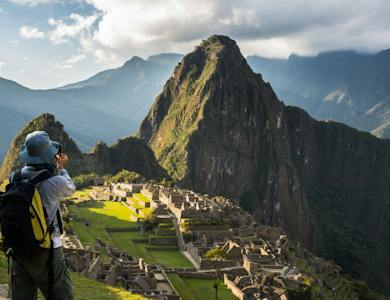
So you've decided to trek to Machu Picchu rather than take the train all the way. Good choice. Arriving on foot is a once-in-a-lifetime experience that brings you closer to the culture of the Incas who built Machu Picchu, and to the Andean communities who still live in these mountains today. Along the way you'll share meals cooked by local trekking crews and walk through some of the most spectacular scenery in South America.
The next decision is which trek to take. There are four main routes, and each is spectacular in its own way. Some are harder, some are higher, some are busier, and only one needs a permit booked months in advance.
This guide compares the Inca Trail, the Salkantay Trek, the Lares Trek and the Choquequirao Trek side by side, with a quick-reference table and a detailed look at each, so you can find the right one for you.
Machu Picchu treks compared: quick-reference table
Inca Trail | Salkantay Trek | Lares Trek | Choquequirao Trek | |
|---|---|---|---|---|
Trekking days | 4 | 4–5 | 3–4 | 4 (to Choquequirao and back) |
Distance | Around 42km | Around 50–70km, by route | Around 30–35km | Around 60km return |
Highest point | 4,215m (Dead Woman's Pass) | 4,630m (Salkantay Pass) | Up to 4,750m, by route | Around 3,050m, with a 1,500m climb out of the Apurímac canyon |
Difficulty | Moderate to challenging | Challenging | Moderate | Very challenging |
Terrain | Original Inca stone paths and steep steps | Mountain dirt trails and cloud forest | Rural paths through villages and high passes | Steep, zigzagging canyon trails |
Accommodation | Camping | Camping or mountain lodges | Camping or lodges, often with a hot springs stop | Camping |
How you reach Machu Picchu | On foot through the Sun Gate | Trek, then train to Aguas Calientes | Trek, then train to Aguas Calientes | Road and train after the trek |
Permit needed | Yes, sells out months ahead | No | No | No |
Crowds | Busy, capped at 500 people a day | Popular but spread out | Quiet | Very quiet |
Best for | Inca history and the classic arrival | Big mountain scenery | Culture and village life | Experienced trekkers wanting solitude |
Our trips |
The Inca Trail
The Classic Inca Trail is the most famous trek to Machu Picchu, and the only one that follows the original Inca road all the way to the citadel. Over four days and around 42km, it climbs from the Sacred Valley over high passes, descends through cloud forest past a string of Inca ruins, and finishes at the Sun Gate (Inti Punku), where Machu Picchu comes into view below.
Difficulty: Moderate to challenging. Day 2 climbs to Dead Woman's Pass at 4,215m, and much of the trail is made up of steep, uneven stone steps, both up and down. If you're fairly active and enjoy long walks, you'll be well prepared with a few months of training. Read our guide: The Inca Trail: Am I Fit Enough?
Highlights: Inca sites such as Runkurakay, Sayacmarca and Wiñay Wayna that you can only reach on foot, cloud forest full of orchids and birdlife, and that unforgettable first view of Machu Picchu from the Sun Gate.
Accommodation: Camping at set campsites, with porters carrying your main kit and cooks preparing meals.
Permits: Only 500 people a day can start the trail, including guides, porters and cooks, so permits for the most popular months sell out well in advance. The trail also closes every February. Find out why it's a good idea to book your Inca Trail trek early.
Choose it if: You want the classic, historic route and the iconic arrival on foot, and you can book well ahead.
See our Classic Inca Trail & Machu Picchu - 4 Days and all our Inca Trail tours.
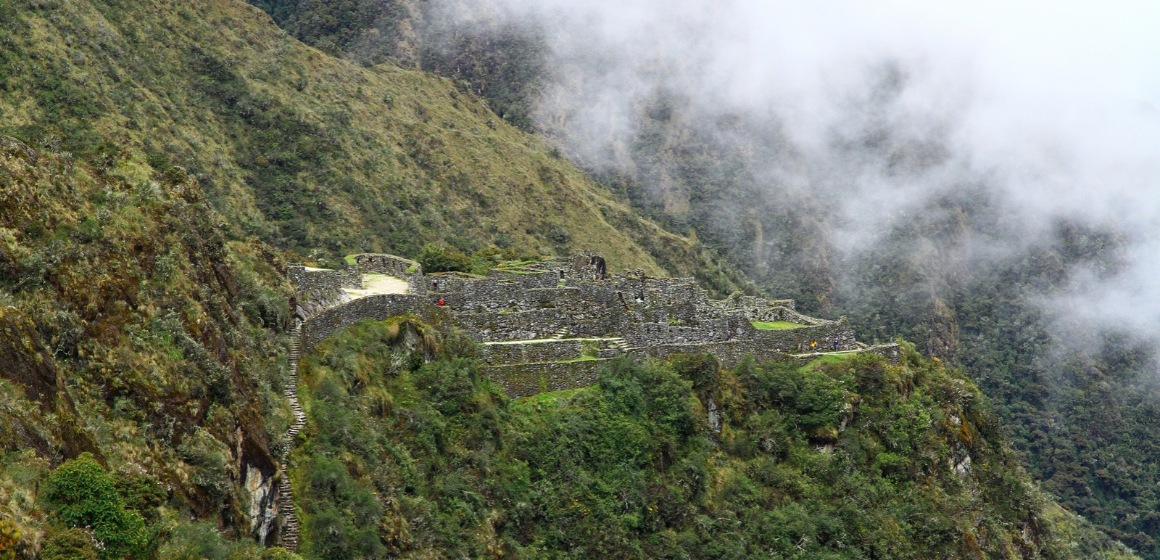 View of the Sayacmarca archaeological site seen along the Inca Trail
The Salkantay Trek
The Salkantay Trek is the most popular alternative to the Inca Trail, and a favourite with nature lovers. It takes you into the heart of the Andes beneath Salkantay, one of the highest and most sacred mountains in the Cusco region, before dropping down into lush cloud forest. Instead of stone steps, you'll walk mostly on dirt trails.
Difficulty: Challenging. The route climbs to the Salkantay Pass at 4,630m, the first two days are long, and nights at the higher camps can be very cold. You'll need at least two or three days in Cusco to acclimatise before you start.
Highlights: Turquoise glacial lakes such as Humantay, close-up views of snow-capped Salkantay, and the dramatic change of scenery as you descend from high mountain passes to warm cloud forest with fruit farms, waterfalls and hummingbirds.
Accommodation: Camping or mountain lodges, depending on the trip you choose.
Permits: None needed, so it's easier to find availability than on the Inca Trail. Groups still fill up in peak season, so it's worth booking ahead.
How you reach Machu Picchu: The trek finishes in the valley below Machu Picchu, then you continue by train or on foot to Aguas Calientes and visit the site the following morning.
Choose it if: You want big mountain scenery and are comfortable with high altitude, or the Inca Trail is sold out.
See our Salkantay Trek & Machu Picchu - 4 Days and all our Salkantay treks.
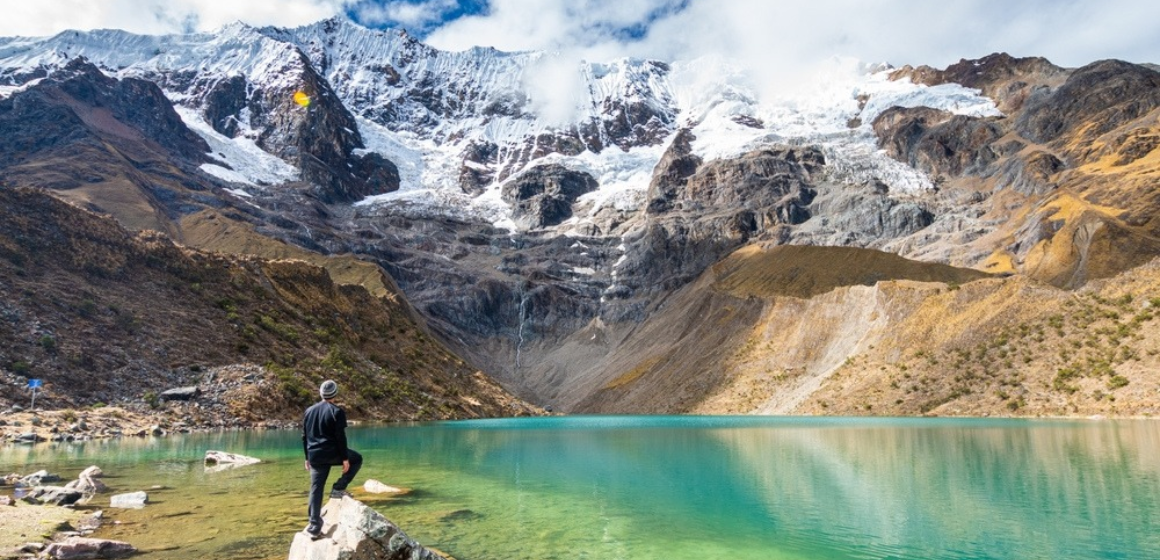 Humantay lake seen on the Salkantay trek to Machu Picchu
The Lares Trek
The Lares Trek offers a great mix of culture, history and mountain scenery, and it's the best choice if you want to meet the people who live in the Andes today. The route winds through remote valleys and small Quechua-speaking villages, where families still farm, herd llamas and alpacas, and weave textiles using traditional techniques.
Difficulty: Moderate. It's the shortest of the four treks, with fewer days on foot, but it still reaches high altitude: depending on the route, the highest pass can reach around 4,750m. You'll need at least two nights in Cusco to acclimatise before you start, and one night there afterwards before onward travel.
Highlights: Time in traditional Andean communities, where you can meet weavers and farmers who are direct descendants of the Incas, a soak in the Lares hot springs, glacial lakes and quiet trails with few other trekkers. Many trips finish with a scenic train ride through the Sacred Valley to Aguas Calientes.
Accommodation: Camping, or lodges on some trips.
Permits: None needed, and availability is usually good, even at shorter notice.
How you reach Machu Picchu: By train to Aguas Calientes after the trek, then a guided visit to Machu Picchu the next day.
Choose it if: You want culture and fewer crowds, would like slightly less time on foot, or the Inca Trail is sold out.
See our Lares Trek to Machu Picchu & Panoramic Train - 4 Days and all our Lares treks.
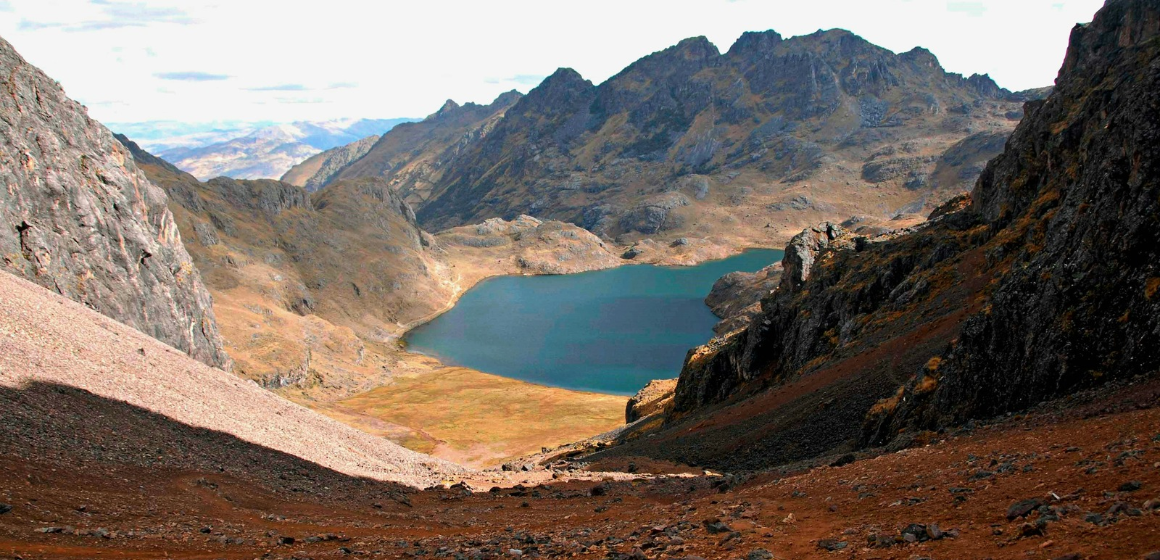 Glacial lake seen along the Lares Trek
The Choquequirao Trek
This is the toughest and most adventurous of the four, and the most rewarding if you want to see Inca history without the crowds. Choquequirao, meaning "cradle of gold" in Quechua, is often called Machu Picchu's sister city. It sits on a ridge high above the Apurímac River canyon, and at the time of writing trekking is still the only way to reach it.
Difficulty: Very challenging. The altitude is lower than on the other treks, but the trail descends around 1,500m into the Apurímac canyon on steep zigzags, then climbs all the way back up the other side to the ruins, before you return the same way. Days are long, hot in the canyon and relentless on the legs. You'll need to be a fit, experienced hiker: this trek isn't recommended for beginners.
Highlights: Exploring a huge Inca complex in near-solitude, with terraces, temples and plazas spread across the mountainside. Only around 40% of the site has been excavated, so parts are still covered by forest. Look out for Andean condors circling over the canyon. On our Choquequirao Express trip, you'll also visit Machu Picchu after the trek, so you see two great Inca sites in one adventure.
Accommodation: Camping, with porters and cooks supporting the group.
Permits: None needed, and you'll share the trail with very few other trekkers.
How you reach Machu Picchu: After returning from Choquequirao, you travel by road to Ollantaytambo and take the train to Aguas Calientes, ready for an early visit to Machu Picchu.
Choose it if: You're a fit, experienced trekker who wants a genuine adventure, fewer people and two Inca sites for the price of one.
See our Choquequirao to Machu Picchu Express - 6 Days or the Trek to Choquequirao - 5 Days.
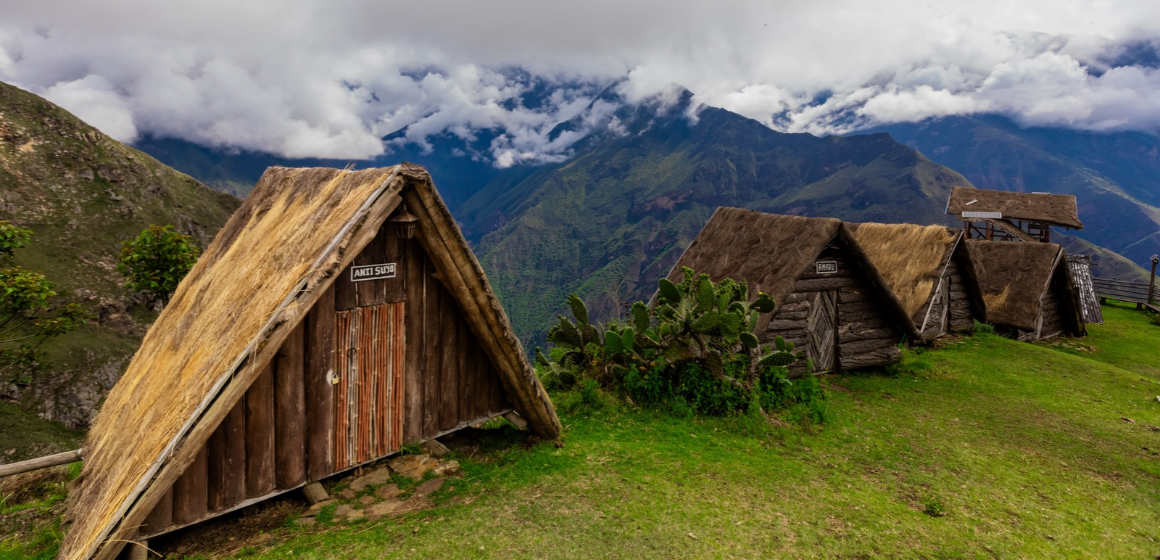 Camping huts along the route to Choquequirao
Which trek to Machu Picchu is right for you?
- For the classic experience: The Inca Trail. It's the only route that arrives at Machu Picchu on foot through the Sun Gate, but you'll need to book months ahead.
- If the Inca Trail is sold out: The Salkantay or Lares treks. Neither needs a permit, and both end with a guided visit to Machu Picchu.
- For mountain scenery: The Salkantay Trek, with glacial lakes, snow-capped peaks and cloud forest.
- For culture: The Lares Trek, with time in traditional Quechua villages and a stop at the hot springs.
- For the shortest time on foot: The Lares Trek, though you'll still need to acclimatise to the altitude.
- For the biggest challenge and fewest people: The Choquequirao Trek, best for fit, experienced trekkers.
- If you're short on time or don't want to trek: Take the train through the Sacred Valley to Aguas Calientes and visit Machu Picchu on a day trip, or try the one-day Short Inca Trail.
Whichever route you choose, allow at least two to three days in Cusco or the Sacred Valley beforehand to acclimatise. Altitude affects everyone, whatever their fitness.
Start planning your trek to Machu Picchu
Every one of these treks leads to the same extraordinary place, and each gets you there in its own way. Whether you choose the history of the Inca Trail, the high peaks of Salkantay, the villages of Lares or the wild canyon of Choquequirao, it's an adventure you'll remember for a lifetime.
Browse all our Peru adventures, or if you're not sure which trek is right for you, get in touch or call our team on 0208 004 8886.