Kenya Camping Safari - 9 Days
Trip Snapshot
Genders
- Female65%
- Male35%
Average age
Start / End
- Nairobi
- Nairobi
Physical rating
Group size
1 - 14Meals included
21Highlights
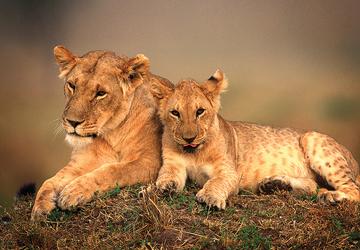
- Immerse yourself in the iconic Masai Mara National Reserve, traversing its vast open plains and rolling hills in search of Africa's renowned "Big Five" and countless other incredible creatures.
- Discover the extraordinary wildlife of Samburu National Reserve, home to a "Special Five" found only north of the equator, including the magnificent reticulated giraffe and the long-necked gerenuk.
- Gain a deeper understanding of Kenya's rich heritage with an authentic visit to a local Samburu village, observing traditional dances and learning about their proud warrior culture.
- Witness breathtaking panoramic views as you descend into the majestic Great Rift Valley, then embark on a thrilling safari in Lake Nakuru National Park, seeking out buffalo, impala, and the elusive leopard.
- Experience the true essence of the African wilderness with comfortable full-service camping under a canopy of stars, enjoying prepared meals and having your tent pitched, bringing you closer to nature.
- Elevate your adventure with an optional hot air balloon safari over the Masai Mara, offering a spectacular, bird's-eye perspective of the sprawling savannah and its incredible wildlife at sunrise.
- Experience the unparalleled thrill of game drives in the world-renowned Masai Mara National Reserve. Traverse its iconic rolling hills and vast savannahs in search of Africa's magnificent 'Big Five', immersing yourself in one of the planet's most spectacular wildlife arenas, with an optional breathtaking balloon safari available.
- Delve into the distinctive ecosystem of Samburu National Reserve, a sanctuary for species rarely seen elsewhere. Seek out the 'Samburu Special Five' – including the Grevy's zebra and reticulated giraffe – and enjoy an enriching visit to a local Samburu village, gaining insight into their vibrant culture.
- Journey through the dramatic landscapes of the Great Rift Valley, marveling at its breathtaking escarpments. Explore Lake Nakuru National Park on an immersive safari, where buffalo, impala, and the elusive leopard roam amidst stunning natural beauty.
- Embrace the true spirit of adventure with our unique full-service camping and permanent tented camp experiences. Get off the beaten path, enjoy comfortable accommodations meticulously set up for you, and fall asleep to the symphony of the African wilderness beneath a canopy of stars.
- Maximize every moment of your safari with travel in comfortable, private 7-seat 4x4 safari vans. Equipped with sliding windows and large pop-up roofs, these vehicles are perfectly designed to provide unobstructed views and incredible photographic opportunities of Kenya's diverse wildlife.
Everything you need to picture the adventure and pack with confidence — in one free PDF.
What's inside the PDF
Day-by-day itinerary
Every day mapped out, covering activities, travel times, meals and where you'll stay.Packing & kit list
Exactly what to bring, from clothing and essentials to luggage guidelines and what's available to hire locally.What's included
Accommodation, transport, guides and meals, so you can see exactly what your price covers.
Summary
From dramatic savannahs to the Great Rift Valley, experience Kenya in all its glory. Travel the vast open plains and rolling hills of the Masai Mara and scour the wilderness for Africa’s "big five." Full-service camping under the big African sky will bring you closer to the region’s wildlife and gets you off the beaten path so you can really experience this land's unique culture. Our small safari vans minimize drive times and improve your chances of snapping that perfect shot of some of the most amazing animals on the planet.
Itinerary
Day 1
Nairobi
Arrive at any time. There are no planned activities until an evening welcome meeting.
Day 2
Nairobi/Samburu National Reserve
Travel to Samburu National Reserve in time for an afternoon wildlife safari drive. Visit a Samburu village en route. Depart Nairobi and drive north through the farmlands of the Kikuyu people, passing Mt Kenya, Africa's second highest mountain (5199m/17,060ft).
Just outside the national reserve, visit a local Samburu village. Similar in appearance to the Masai but less known, the Samburu are a proud warrior tribe. Watch traditional Samburu dancing, and learn about Samburu tribal life and customs. The walk within the village is run by Samburu tribesmen for the benefit of the community.
Continue to Samburu National Reserve, a wildlife haven to many species rarely found elsewhere.
Enjoy an afternoon wildlife safari drive in search of large elephant and big cat populations living within this wild part of Kenya.
Day 3
Samburu National Reserve
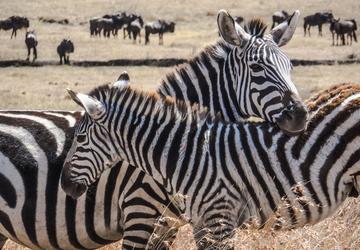
Spend a full day on safari in search of Samburu's special five. A full day wildlife safari drive to spot a group of animals only seen north of the equator, such as the beisa oryx, Somali ostrich, Grevy's zebra, the majestic reticulated giraffe, and the long-necked gerenuk, a graceful antelope that stands upright on its hind legs to feed on tall bushes.
Day 4
Samburu National Reserve/Lake Nakuru National Park
Descend into the Great Rift Valley enjoying stunning views of the escarpment on the way. Nakuru, meaning “dusty place” in the Maasai language, is a cheerful and vibrant agricultural town with a variety of colourful local markets.
Camp outside the town at the edge of Lake Nakuru National Park, the area’s principal highlight and best natural attraction. Time and weather permitting, there may be an opportunity to visit a local tea farm and see how the tea is grown, picked and produced.
Day 5
Lake Nakuru National Park
Embark on a safari within Lake Nakuru National Park, in search of buffalo, impala, and the elusive leopard.
Day 6
Lake Nakuru National Park/Masai Mara
Travel to the Masai Mara National Reserve. Search for the "big five" on an afternoon wildlife safari drive. Depart for the world-famous Masai Mara National Reserve. With its vast open plains and distinctive flat-topped acacia trees, no visit to Kenya would be complete without a visit to this reserve.
Arrive in the afternoon and get settled at the permanent tented camp, the base for exploring the Mara.
Head into the reserve for an afternoon wildlife safari drive.
Day 7
Masai Mara
Enjoy a day on safari. Opt to take to the skies on a balloon safari. Rise early for a wildlife safari drive during the best time to spot animals and criss-cross the rolling hills of the African savannah. With a full day to explore the area, we can cover a lot of ground. If time allows, visit the Mara River area.
Opt to go for a balloon safari for a new perspective over the beautiful landscape.
Day 8
Masai Mara/Nairobi
Breathe in the fresh morning air, stretch and enjoy the African sun as it rises over the savannah of the "Mara". Search for wildlife outside of the reserve while leaving the area. Then, visit the G for Good supported Amani Ya Juu for lunch, before heading back to Nairobi, where the tour ends on arrival in the late afternoon. Enjoy one last opportunity to search for wildlife outside of the reserve while leaving the area.
Visit the G for Good supported Amani ya Juu for lunch.
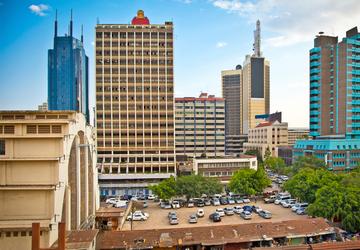
In Nairobi there's some time to buy local handicrafts or check out a bit of the city.
Day 9
Nairobi
Depart at any time.
What's Included
Accommodation
Simple hotels (2 nts), full-service camping (4 nts), permanent tented camps (2 nts).
Meals
Breakfasts: 8, Lunches: 7, Dinners: 6
Vegetarian options are available on all meals throughout the adventure.
Vegetarian options availableLocal Guide
GuidedThis adventure is led by a local guide throughout. The main language of this adventure is English. Please contact us for other languages available.
Wifi
Wifi is available during the adventure. In some areas and / or accommodation / transport Wifi may be free.
Dates & Prices
Nov 2026
from £1,699Dec 2026
from £1,599Feb 2027
from £1,791Mar 2027
from £2,049Jun 2027
from £2,239Jul 2027
from £2,379Aug 2027
from £2,379Sep 2027
from £2,239Oct 2027
from £2,239Nov 2027
from £2,049Dec 2027
from £2,049
December 2026
1 departureClick the bell to get notified when the price drops
- Save 20%Friday 11 Dec 2026to Saturday 19 Dec 20266+ spaces of 14 leftGuaranteed Departure£1,999£1,599Best offer
Make this tour private
Every departure on this trip can be booked just for your own group — your dates, your people, the same expert local guides.
What changes when you go private
Travel with just your own group
No other travellers on the trip — just the people you choose to bringTravel on your schedule
Pick your exact start date—no fixed group departures or rigid timetables.Exclusively for your party
Enjoy this handcrafted itinerary with a dedicated private guide just for you.
Customer reviews & ratings
Our first trip to Africa, we decided to travel with G Adventures. We had an amazing experience, with lots of activities and professional staff along the way. We are thrilled with the experience, accomodation and activities provided and would reccomend travel with G Adventures if you are looking for a trip with no stress, as everything is managed and taken care of by the company. Super friendly team and well organised group. Easy to deal with and always attenting to the guests problems and solves them rapidly
Alexander Oct, 2024 Verifiedvery good overall. This particular tour covered a good cross section of animals and regions of Kenya. I think the Samburu park was a great addition to the Maasai and Nakuru I'm glad we picked this one. Lastly, when there are several passengers that want to take pictures or videos, encourage everyone to share their particular spot with others to take photos. You never know when or where animals will appear and it's sad to miss out on photos because it was on the other side of the jeep. This trip covered everything we wanted and expected for this visit.
Eugene Sep, 2024 Verified
Essential trip information
Our Important Notes and Packing List cover all essentials, from necessary equipment to inclusions, ensuring you're fully equipped and informed for this extraordinary adventure and more.
Frequently asked questions


Still have questions?
Can't find the answer you're looking for? Please chat to our friendly team.
Why book with us
Help Change The World
We collaborate with local businesses and communities.
Best Price Guaranteed
We won't be beaten on price. If you find this adventure at a lower price please get in touch!
You're In Good Hands
We work with trusted tour operators around the world.
You're spoilt for choice
We have the best choice of adventures on the market.