Kenya & Tanzania Camping Safari - 14 Days
Trip Snapshot
Genders
- Female59%
- Male41%
Average age
Start / End
- Nairobi
- Arusha
Physical rating
Group size
1 - 14Meals included
35Highlights
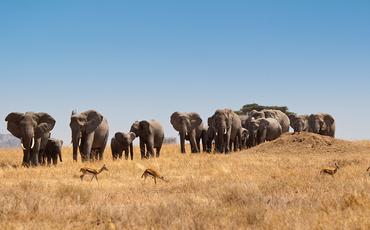
- Kenya's Northern Treasures & Rift Valley Grandeur: Begin your adventure in Samburu National Reserve, renowned for its unique 'Special Five' and rich elephant herds. Continue to Lake Nakuru National Park, descending into the breathtaking Great Rift Valley for sightings of buffalo, impala, and the elusive leopard.
- Legendary Masai Mara Safari: Experience the thrill of game drives in the iconic Masai Mara National Reserve, crisscrossing vast savannahs in pursuit of Africa's magnificent 'Big Five'. Opt for an unforgettable hot air balloon safari for a truly panoramic perspective of this wildlife-rich landscape.
- Authentic Cultural Encounters: Immerse yourself in the vibrant traditions of East Africa with visits to a welcoming Samburu village to learn about their warrior culture, and later, engage with the proud Maasai tribe, discovering their way of life and the impactful Clean Cookstove Project.
- Tanzania's Lakeside Wilderness & Community Spirit: Explore the lush, cool forests and diverse habitats of Lake Manyara National Park, searching for its phenomenal birdlife, famous tree-climbing lions, and impressive populations of elephants. Also, connect with the Mto wa Mbu community through a guided cultural walk and a traditional lunch.
- The Expansive Serengeti National Park: Delve into the sheer vastness of the central Serengeti, where full-day safari drives offer unparalleled opportunities to track the 'Big Five' and witness the endless drama of the African plains. Consider an optional balloon safari for a bird's-eye view of this iconic wilderness.
- Ngorongoro Crater's Wildlife Haven: Marvel at the natural wonder of the Ngorongoro Crater, a densely populated caldera supporting an incredible concentration of over 20,000 large mammals. Enjoy dramatic views from your rim-side campsite and descend into this 'Garden of Eden' for spectacular wildlife encounters.
- Embark on thrilling wildlife safaris across Africa's most iconic reserves, including the legendary Masai Mara and vast Serengeti National Park, as you relentlessly pursue the magnificent "big five" and a wealth of other incredible creatures in their natural habitats.
- Experience the awe-inspiring beauty of the Great Rift Valley, with its dramatic escarpments and diverse ecosystems, culminating in a descent into the world-renowned Ngorongoro Crater, a vibrant caldera teeming with an extraordinary concentration of wildlife.
- Discover the unique wildlife of Samburu National Reserve, home to the "Samburu's special five" – the graceful reticulated giraffe, Grevy's zebra, Beisa oryx, Somali ostrich, and the distinctive long-necked gerenuk.
- Immerse yourself in authentic East African culture with visits to a traditional Samburu village and an authentic Maasai village, offering invaluable insights into their rich heritage and daily lives. Additionally, enjoy a cultural walk and traditional lunch within the Mto wa Mbu community.
- Explore the diverse landscapes of Lake Nakuru and Lake Manyara National Parks, famed for their spectacular birdlife, including flamingos, and the chance to spot unique tree-climbing lions against stunning backdrops.
- Connect deeply with nature through a full-service camping experience and stays in comfortable permanent tented camps, bringing you closer to the sights and sounds of the African wilderness under a blanket of stars.
Everything you need to picture the adventure and pack with confidence — in one free PDF.
What's inside the PDF
Day-by-day itinerary
Every day mapped out, covering activities, travel times, meals and where you'll stay.Packing & kit list
Exactly what to bring, from clothing and essentials to luggage guidelines and what's available to hire locally.What's included
Accommodation, transport, guides and meals, so you can see exactly what your price covers.
Summary
Led by a certified safari guide, this 14-day tour will bring you to the famous wildlife habitats of both Kenya and Tanzania. Descend into the Great Rift Valley and the Ngorongoro Crater for stunning wilderness and let your spirit soar as you race across the plains of the Masai Mara and Serengeti tracking Africa’s elusive "big five." Our safari vehicles minimize drive times and improve your chances of getting the perfect shot — and full-service camping will bring you even closer to the region’s wildlife.
Itinerary
Day 1
Nairobi
Arrive at any time. There are no planned activities until an evening welcome meeting.
Day 2
Nairobi/Samburu National Reserve
Travel to Samburu National Reserve in time for an afternoon wildlife safari drive. Visit a Samburu village en route. Depart Nairobi and drive north through the farmlands of the Kikuyu people, passing Mt Kenya, Africa's second highest mountain (5199m/17,060ft).
Just outside the national reserve, visit a local Samburu village. Similar in appearance to the Masai but less known, the Samburu are a proud warrior tribe. Watch traditional Samburu dancing, and learn about Samburu tribal life and customs. The walk within the village is run by Samburu tribesmen for the benefit of the community.
Continue to Samburu National Reserve, a wildlife haven to many species rarely found elsewhere.
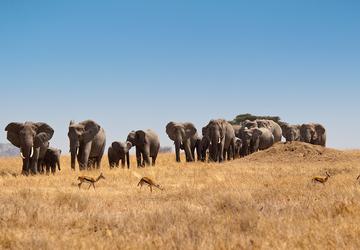
Enjoy an afternoon wildlife safari drive in search of large elephant and big cat populations living within this wild part of Kenya.
Day 3
Samburu National Reserve
Spend a full day on safari in search of Samburu's special five. A full day wildlife safari drive to spot a group of animals only seen north of the equator, such as the beisa oryx, Somali ostrich, Grevy's zebra, the majestic reticulated giraffe, and the long-necked gerenuk, a graceful antelope that stands upright on its hind legs to feed on tall bushes.
Day 4
Samburu National Reserve/Lake Nakuru National Park
Descend into the Great Rift Valley enjoying stunning views of the escarpment on the way. Nakuru, meaning “dusty place” in the Maasai language, is a cheerful and vibrant agricultural town with a variety of colourful local markets.
Camp outside the town at the edge of Lake Nakuru National Park, the area’s principal highlight and best natural attraction. Time and weather permitting, there may be an opportunity to visit a local tea farm and see how the tea is grown, picked and produced.
Day 5
Lake Nakuru National Park
Embark on a safari within Lake Nakuru National Park, in search of buffalo, impala, and the elusive leopard.
Day 6
Lake Nakuru National Park/Masai Mara
Travel to the Masai Mara National Reserve. Search for the "big five" on an afternoon wildlife safari drive. Depart for the world-famous Masai Mara National Reserve. With its vast open plains and distinctive flat-topped acacia trees, no visit to Kenya would be complete without a visit to this reserve.
Arrive in the afternoon and get settled at the permanent tented camp, the base for exploring the Mara.
Head into the reserve for an afternoon wildlife safari drive.
Day 7
Masai Mara
Enjoy a day on safari. Opt to take to the skies on a balloon safari. Rise early for a wildlife safari drive during the best time to spot animals and criss-cross the rolling hills of the African savannah. With a full day to explore the area, we can cover a lot of ground. If time allows, visit the Mara River area.
Opt to go for a balloon safari for a new perspective over the beautiful landscape.
Day 8
Masai Mara/Nairobi
Breathe in the fresh morning air, stretch and enjoy the African sun as it rises over the savannah of the "Mara". Search for wildlife outside of the reserve while leaving the area. Then, visit the G for Good supported Amani Ya Juu for lunch, before heading back to Nairobi, where the tour ends on arrival in the late afternoon. Enjoy one last opportunity to search for wildlife outside of the reserve while leaving the area.
Visit the G for Good supported Amani ya Juu for lunch.
In Nairobi there's some time to buy local handicrafts or check out a bit of the city.
Day 9
Nairobi/Arusha
Spend the day travelling to Tanzania. Journey across the border into Tanzania, arriving in the picturesque town of Arusha in the afternoon. Spend some time exploring the town and its bustling markets, and have another night in the comfort of a hotel. Upon arrival into Arusha, you may be joined by other the tour operator travellers starting the Tanzania portion of the trip.
Day 10
Arusha/Mto wa Mbu
Experience the Mto wa Mbu community with a guided cultural walk and traditional lunch with a local family. Take a wildlife safari drive in Lake Manyara NP. Travel to Mto wa Mbu and take part in a cultural walk to learn about life in the area. Meet the women who run the rural town's tours and enjoy a delicious home made traditional lunch.
Spend the afternoon viewing wildlife along the main road that winds through a lush cool forests of Lake Manyara National Park, overgrown with ficus trees and covered with bromeliads.
This area is truly stunning, as the western wall of the Rift Valley escarpment provides a gorgeous backdrop. Search for the phenomenal birdlife, tree-climbing lions, elephants, giraffes, and hippos.
Day 11
Mto wa Mbu/Serengeti National Park
Enjoy a wildlife safari drive en route to the central Serengeti. Drive through the Ngorongoro Conservation Area and on to Serengeti National Park. En route marvel at the sheer vastness of this territory, and spot the multitude of animal and birdlife while cruising through this acacia-accented savanna.
Day 12
Serengeti National Park
Rise early for a full-day wildlife safari drive in the Serengeti. Enjoy a picnic lunch in the bush and continue the search for the "big five" while taking in the vastness of the Serengeti plains.
Day 13
Serengeti National Park/Ngorongoro
Take a morning wildlife safari drive as you depart the Serengeti, then continue wildlife viewing in the Ngorongoro Crater, before getting a spectacular view of the crater from your campsite on its rim. The rich pasture and permanent water of the Crater floor supports a resident population of more than 20,000 to 25,000 large mammals.
Day 14
Ngorongoro/Arusha
Visit an authentic Maasai village and the the tour operator-supported Clean Cookstove Project, then return to Arusha where the tour ends on arrival. Onward flights can be booked from 6pm, or extend your stay in Arusha by a night, or two.
What's Included
Accommodation
Simple hotels (3 nts), full-service camping (8 nts), permanent tented camp (2 nts).
Meals
Breakfasts: 13, Lunches: 12, Dinners: 10
Vegetarian options are available on all meals throughout the adventure.
Vegetarian options availableLocal Guide
GuidedThis adventure is led by a local guide throughout. The main language of this adventure is English. Please contact us for other languages available.
Wifi
Wifi is available during the adventure. In some areas and / or accommodation / transport Wifi may be free.
Dates & Prices
Feb 2027
from £4,639Jun 2027
from £4,399Jul 2027
from £4,639Sep 2027
from £4,399Oct 2027
from £4,399
June 2027
1 departure- Friday 11 Jun 2027to Thursday 24 Jun 20276+ spaces of 14 leftGuaranteed Departure£4,399Pay MonthlyBest offerBook for£250 today, pay the rest later
Make this tour private
Every departure on this trip can be booked just for your own group — your dates, your people, the same expert local guides.
What changes when you go private
Travel with just your own group
No other travellers on the trip — just the people you choose to bringTravel on your schedule
Pick your exact start date—no fixed group departures or rigid timetables.Exclusively for your party
Enjoy this handcrafted itinerary with a dedicated private guide just for you.
Customer reviews & ratings
It was a disappointment overall. The 7 20 something were mean and rude. The travel style is not for everyone. Camping was better than I expected.
Julie Oct, 2024 VerifiedThis trip was a transformational one for me, and one of my best travel experiences that I would recommend to friends and family. The itinerary maximizes the time spent in Africa, and we saw the "big 5", "ugly 5" and even a serval cat! It was a unique experience that I will treasure moving forward. That said, I highlighted areas for improvement in this review that I feel strongly about. I've had wonderful experiences with G Adventures on the 2 trips that I have taken so far and would recommend to a friend or family member.
Walter Oct, 2024 Verified
Essential trip information
Our Important Notes and Packing List cover all essentials, from necessary equipment to inclusions, ensuring you're fully equipped and informed for this extraordinary adventure and more.
Frequently asked questions



Still have questions?
Can't find the answer you're looking for? Please chat to our friendly team.
Why book with us
Help Change The World
We collaborate with local businesses and communities.
Best Price Guaranteed
We won't be beaten on price. If you find this adventure at a lower price please get in touch!
You're In Good Hands
We work with trusted tour operators around the world.
You're spoilt for choice
We have the best choice of adventures on the market.