Everest Base Camp Trek All Inclusive - 14 Days
Trip Snapshot
Genders
- Female35%
- Male65%
Average age
Start / End
- Kathmandu
- Kathmandu
Physical rating
Group size
1 - 12Meals included
35Highlights
- Conquer Everest Base Camp: Experience the ultimate triumph as you stand at the majestic foot of the world's highest mountain (5,364m), celebrating an unparalleled adventure amidst the awe-inspiring Khumbu Glacier and Ice Fall.
- Magical Kalapatthar Sunrise: Witness a truly unforgettable sunrise from Kalapatthar (5,545m), where Mount Everest is bathed in golden light, creating a breathtaking panorama of snow-capped peaks that will forever be etched in your memory.
- Immerse in Sherpa Culture: Explore the vibrant Sherpa capital, Namche Bazaar, a bustling hub nestled amidst towering peaks. Enjoy acclimatization hikes offering panoramic views of Everest, Ama Dablam, Lhotse, and Nuptse, while delving into local traditions and hospitality.
- Journey Through Himalayan Splendor: Traverse picturesque trails winding through ancient pine and rhododendron forests, cross exhilarating suspension bridges over the Dudh Koshi River, and discover charming Sherpa villages, all framed by breathtaking Himalayan vistas.
- Spiritual & Scenic Highlights: Visit the iconic Tengboche Monastery, the oldest and largest in the Khumbu region, and marvel at its spiritual serenity. Explore other high-altitude settlements like Dingboche and Lobuche, each offering unique perspectives of the grand mountain landscape.
- All-Inclusive Himalayan Adventure: Enjoy a truly worry-free expedition with all meals included throughout your 14-day journey, along with essential airport transfers and equipment like duffel bags, allowing you to focus solely on the incredible experience.
Everything you need to picture the adventure and pack with confidence — in one free PDF.
What's inside the PDF
Day-by-day itinerary
Every day mapped out, covering activities, travel times, meals and where you'll stay.Packing & kit list
Exactly what to bring, from clothing and essentials to luggage guidelines and what's available to hire locally.What's included
Accommodation, transport, guides and meals, so you can see exactly what your price covers.
Summary
Everest Base Camp Trek: A 14-Day Adventure
What makes this trek different to everyone else? We include all meals (a saving of around £200 per person!), airport transfers and equipment such as duffel bags and more, that's why we add 'All Inclusive'.
Are you ready to embark on a breathtaking journey to Everest Base Camp? Starting in Kathmandu (1,338m), you'll be warmly welcomed and briefed about the trek before exploring the vibrant city. The next day, fly to Lukla (2,800m), the gateway to the Himalayas, and trek to Phakding (2,652m).
Traverse stunning trails through pine forests, crossing suspension bridges to reach Namche Bazaar (3,400m), the Sherpa capital. Acclimatize with hikes offering panoramic views of Everest and its surrounding peaks, ensuring you're prepared for the altitude. Continue to Tengboche (3,860m), home to the iconic Tengboche Monastery, and onward to Dingboche (4,410m) and Lobuche (4,910m), each day presenting breathtaking Himalayan vistas.
The highlight is reaching Everest Base Camp (5,364m), where you’ll celebrate standing at the foot of the world's highest mountain. Experience a magical sunrise over Everest from Kalapatthar (5,545m) before descending through charming villages like Pheriche and Namche Bazaar.
Conclude with a celebratory evening in Lukla before returning to Kathmandu for a farewell dinner. This unforgettable trek combines challenging hikes, cultural experiences, and awe-inspiring scenery, making it the adventure of a lifetime.
All meals included; accommodations in cozy lodges.
Itinerary
Day 1
Arrival Day in Kathmandu
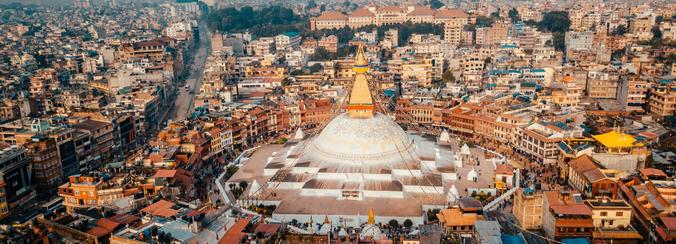
Welcome to Nepal!
As you arrive at Tribhuvan International Airport in Kathmandu, our office representative will be there to greet you. From this point on, your comfort and well-being are our priority.
We’ll transfer you to your hotel, where you can check in and unwind. Later, we’ll hold a pre-trek briefing to go over the route and ensure everyone is fit and ready for the journey. If your arrival is delayed, the main meeting will proceed as scheduled, and your guides will arrange a separate catch-up session to brief you individually.
To acclimatize to the local atmosphere, we suggest a short walk around the hotel or a brief exploration of Kathmandu. Our representative will also confirm the flight time for your domestic flight to Lukla tomorrow.
Please note that during peak trekking seasons (Spring and Autumn), all Lukla flights depart from and return to Manthali, not Kathmandu. This is approximately a 4-5 hour drive, so an early start on Day 2 is likely.
Elevation: Kathmandu 1,338m/4,390ft
Day 2
Fly to Lukla, Trek to Phakding – 2,652m / 8,700ft – 9km / 3 to 4 hours
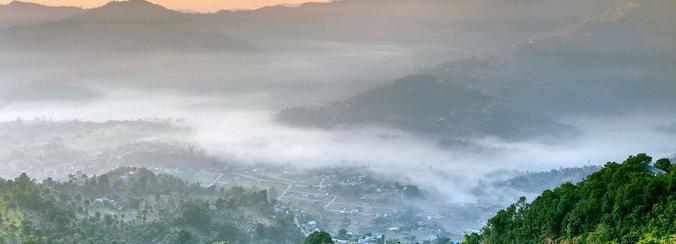
This morning, we will fly to Lukla, as discussed during the pre-trek meeting. As Lukla flights usually operate early in the morning, your guide will arrange a packed breakfast for you to enjoy either on the way or while waiting at the airport (see more information about Lukla flights below). A transfer will take you to the domestic airport.
Upon landing at Lukla airstrip, you will meet the rest of the trekking crew, including the porters. While they organize your luggage, you may relax with a cup of tea or coffee. Your guide will then lead you through the National Luminary Pasang Lhamu Memorial Gate, marking the official beginning of your Himalayan adventure.
We will walk for about an hour before stopping for lunch at Thado Koshi, or you may choose to continue directly to Phakding and enjoy lunch at the lodge. Along the trail, you will follow the beautiful Dudh Koshi River, cross suspension bridges, and pass through charming Sherpa villages. Upon arrival in Phakding, you can check into your room and relax, or take some time to explore the local village and nearby monasteries.
Elevation: • Lukla: 2,800m / 9,184ft • Phakding: 2,652m / 8,700ft Lukla Flights
The primary gateway to the Everest Base Camp Trek is the flight to Lukla (2,840m), landing at the famous Tenzing-Hillary Airport, often regarded as one of the world’s most thrilling airports. Situated on a narrow mountainside plateau with a short runway above a steep drop, the flight experience is both exciting and unforgettable. Weather conditions in the Himalayas are highly unpredictable, and visibility can change rapidly.
Ramechhap Airport During the busy trekking seasons — spring (mid-March to mid-May) and autumn (mid-September to mid-November) — congestion at Kathmandu Airport often results in Lukla flights operating from Manthali Airport in Ramechhap, approximately a 4–5 hour drive from Kathmandu. To avoid the drive, helicopter flights from Kathmandu may be available (subject to availability and additional cost). Flights may also operate from Ramechhap during periods of backlog or operational adjustments.
Weather Conditions Flights to Lukla are entirely dependent on favorable weather and stable flying conditions. Delays and cancellations are common due to sudden weather changes, which may extend your trekking schedule by several days. We strongly recommend adding 2–3 buffer days to your travel plans to minimize the impact on your international flight arrangements.
In the event of prolonged flight disruptions, helicopter transfers to Lukla may be arranged at an additional cost and are not included in the standard trek package. Although helicopters can sometimes operate in conditions unsuitable for airplanes, severe weather may also ground helicopter operations. Helicopter availability is limited and subject to weather conditions. We kindly request your patience, flexibility, and understanding in such situations. If weather conditions prevent flights for an extended period, an alternative option is to drive to Surke and begin the trek from there. Please note that this journey can take approximately 20 hours, and some sections of the road may be rough, unpaved, and affected by weather conditions such as rain, landslides, or flooding.
If conditions make the Everest Base Camp Trek unfeasible, alternative trekking routes such as the Annapurna Base Camp Trek or Langtang Gosainkunda Trek may be offered (conditions apply). While these routes do not reach Everest Base Camp, they provide equally rewarding trekking experiences with spectacular mountain scenery.
Your cooperation and flexibility are greatly appreciated and will help ensure a safe, enjoyable, and memorable adventure in the Himalayas.
All meals included.
Day 3
Phakding to Namche Bazaar - 3,400m/11,283ft - 12 km / 5 to 6 hours
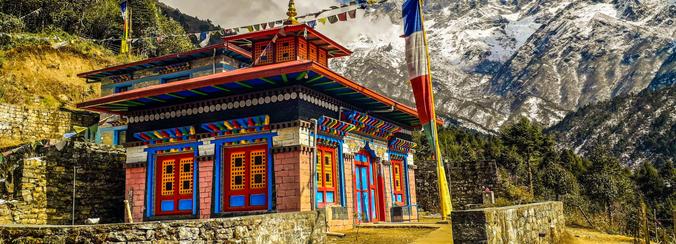
We'll start the day with breakfast at the dining hall. After packing our bags, we'll hand them over to the porters and begin our trek. Your guide will provide more details and instructions for the day's hike.
We'll follow the rocky forest trails, taking in the stunning views of rolling hills. We'll then pass through the Sagarmatha National Park entrance gate, marked by large stone steps.
The initial part of the hike is mostly downhill, leading us to Jorsale for lunch. After lunch, the challenging uphill climb to Namche Bazaar begins. Along the way, we'll cross two suspension bridges, including the iconic Hillary Bridge. Weather permitting, we might catch our first glimpse of Mount Everest shortly after crossing the bridge.
As we ascend, the air will become noticeably cooler. Depending on the season, we may encounter light rain or cool winds.
Upon reaching Namche Bazaar, we'll check into our lodge and rest before dinner. Alternatively, you can explore the amphitheater-style village, which offers various restaurants, bakeries, shops, and ATMs. The cozy, wooden and stone-built lodges provide a comfortable place to rest for the night, preparing us for the next day's hike.
All meals included.
Day 4
Syangboche - 3,780m/12,402ft - 4-9 km / 3-6 hours
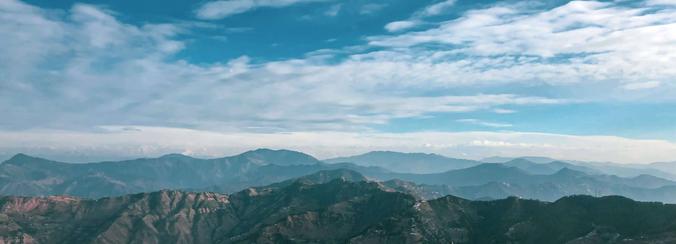
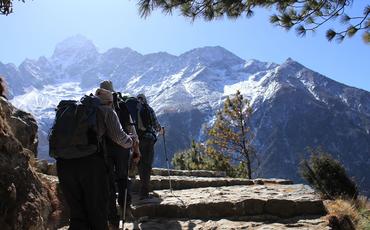
Today is our first acclimatization day, and Namche Bazaar (3,440 m / 11,286 ft) is the perfect place to rest and adjust to the increasing altitude. Although it’s called a “rest day,” staying active and following the hike high, sleep low principle helps your body acclimatize. After breakfast, we trek up to the Tenzing Norgay Sherpa Heritage Center and continue toward Syangboche and the Everest View Hotel (3,880 m / 12,730 ft). From here, we are rewarded with breathtaking views of Mount Everest, Ama Dablam, Lhotse, Nuptse, and other majestic peaks. On the way back, we may visit Sagarmatha Next, an innovation center dedicated to sustainable waste management in the Everest Region. You may even choose to participate in a fun and meaningful activity called “Carry Me Back”, helping transport waste as part of the conservation efforts. After returning to Namche, you’ll have free time to explore the village, enjoy fresh bakery treats, relax in a café, or simply unwind at the lodge while soaking in the unique mountain atmosphere.
All meals included.
Day 5
Namche Bazaar to Tengboche - 3.860m/12,660ft - 12km / 6 hours
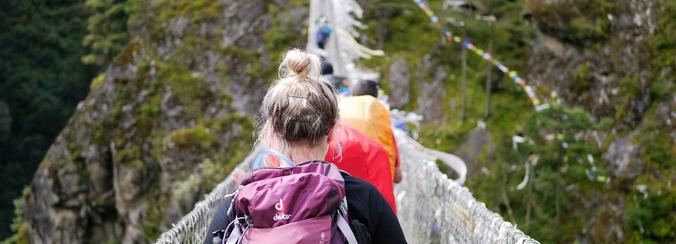
After breakfast, we'll gear up with our trekking poles and head towards Tengboche's massive prayer wheel. The walk before lunch is relatively flat and offers stunning views of Mount Ama Dablam. We'll then descend through beautiful rhododendron forests. To keep your energy levels up, we recommend carrying some dry fruits or energy bars.
We'll cross a beautiful suspension bridge before reaching Phunki Thangka for a hearty lunch. Refueled, we'll tackle the strenuous uphill climb through forested trails. Once we reach the top of the hill, a sense of relief will wash over us as we check into our lodge in Tengboche.
Take some time to rest and explore the area. A popular attraction is the Tengboche Monastery, the oldest and largest in the Khumbu region. The current structure was rebuilt in 1989 after a fire. You might even spot monks playing football nearby. We can also indulge in delicious cakes and pastries at a local bakery.
Later, we'll enjoy evening activities at the lodge's dining hall and spend the night. Today's hike will take approximately 5-6 hours.
All meals included.
Day 6
Tengboche to Dingboche - 4,410m/14,464ft - 11km / 5-6 hours
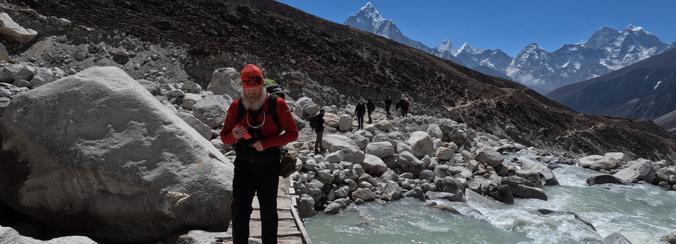
We'll start the day with excitement as we pass through yak pasture lands. The initial part of the trek is mostly downhill through refreshing forests, leading us to Deboche. Here, we'll cross the Imja Khola on a suspension bridge.
After the bridge, a strenuous uphill climb takes us towards Pangboche, offering stunning views of the Himalayas and surrounding landscapes. There are several tea houses and lodges along the way where you can take a break and enjoy a refreshing drink.
We'll continue our hike through rocky, dusty, and windy trails to Pangboche for lunch. As we gain altitude, the wind may pick up, and you might experience some altitude sickness. Remember to stay hydrated and well-nourished.
In the late afternoon, after crossing several hills, we'll spot our tea house in the distance. Dingboche offers chortens, horse stables, lodges, and a few shops. We'll spend the night here.
Walking time: 5-6 hours
All Meals Included.
Day 7
Dingboche to Nagarjun Hill 5,100m/16,728ft (or Chukkung) - / 4 - 8 hours
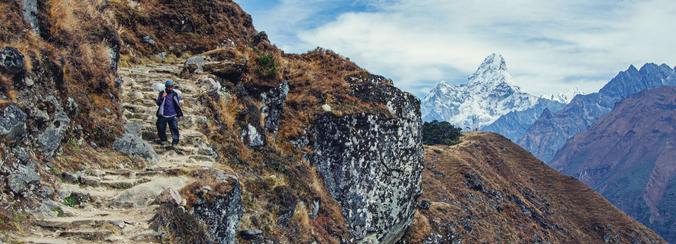
Waking up in Dingboche with towering Himalayan giants all around is a truly inspiring start to the day. Today is a dedicated acclimatization day, which means staying active while allowing your body to adjust to the higher altitude. After an early breakfast, we begin our hike to Nagarjun Hill— a classic acclimatization route that gains altitude steadily and rewards you with 360° views of Ama Dablam, Lhotse, Island Peak, and the Baruntse group. We’ll return to Dingboche Village by afternoon, where you can explore the peaceful settlement, visit local lodges, or simply rest and take in the alpine setting. As the day winds down, enjoy a nourishing dinner and prepare for an early night — a good rest tonight will set you up for success on the challenging high pass trekking days ahead.
All meals included.
Day 8
Dingboche to Lobuche - 4,910m/16,105ft - 12km / 5-6 hours
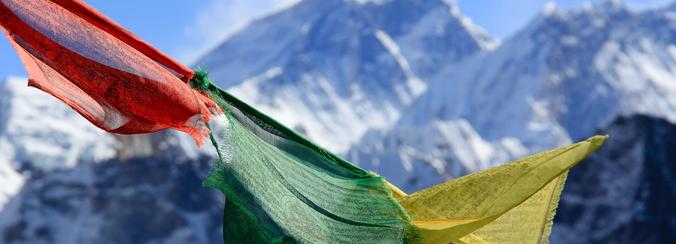
After breakfast, we'll embark on a steep ascent to Dingboche Hill. Our guide will lead us along gradual trails for about an hour or two until we reach Dughla for lunch. Along the way, we'll have stunning views of the Himalayas on our southern side and cross a pass leading to No Cho La.
We'll traverse rocky mountain trails and crystal-clear rivers to reach Dughla, where we'll fuel up with a hearty lunch at one of the two restaurants.
After lunch, we'll tackle a steep climb to the top of the hill, where we'll be rewarded with breathtaking panoramic views of the Himalayas. We'll also see a memorial honoring those who lost their lives climbing Mount Everest.
From there, we'll enjoy a more gradual walk for about an hour, offering views of Lobuche Peak. Finally, we'll arrive at our lodge in Lobuche.
Today's walking time: 5-6 hours.
All meals included.
Day 9
Lobuche to Everest Base Camp - 5,364m/17,594 - 12km / 9 hours
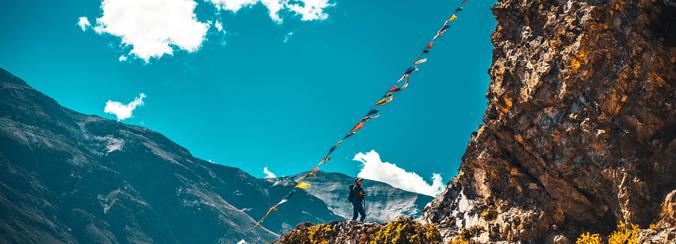
Today is our most important day as we trek to Everest Base Camp via Gorakshep. We'll begin with a gradual, rocky uphill climb to Gorakshep, which can be challenging and unstable due to the terrain. Be sure to use your trekking poles to maintain stability.
Once we reach Gorakshep, we'll check into our lodge and rest before lunch. After lunch, we'll embark on the final push to Everest Base Camp. The trail is narrow and unstable, but your guide will ensure your safety throughout.
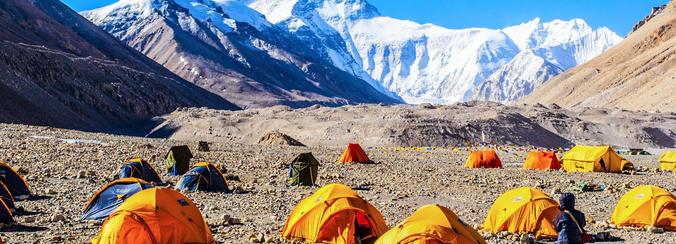
Upon reaching Base Camp, take a moment to soak in the incredible achievement of standing at the foot of the world's highest peak. Admire the stunning views of the Khumbu Glacier, the Ice Fall, and Mount Lhotse and Everest. Take photos to commemorate this life-changing experience and celebrate your accomplishment!
Afterward, we'll return to Gorakshep for dinner and rest.
All meals included.
Day 10
Gorakshep to Kalapatthar to Pheriche at 4,210m/13,809ft - 14km / 6-7 hours
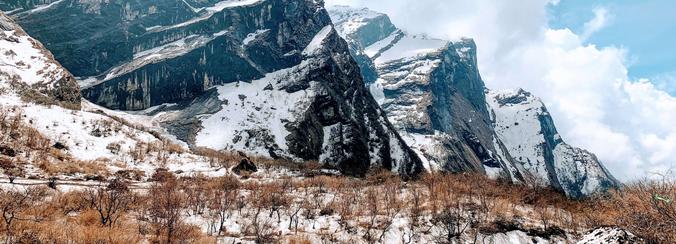
Today's adventure requires an early start as we pre-dawn trek to Kalapatthar to witness the magical sunrise over Mount Everest (between 5 am and 7 am). It'll be a steep climb in the dark, so headlamps are essential.
As we ascend, listen for the crackling sound of ice breaking off Nuptse. Once you reach the top, you'll be rewarded with the most incredible sight: Mount Everest bathed in golden light as the sun peeks over the horizon, transforming the snow-capped peaks into a majestic display.
Due to the high altitude, Kalapatthar will be the coldest point of the trek. Make sure you're bundled up head to toe in your warmest clothing. Consider having a thermos of hot garlic soup back at Gorakshep to help you stay warm.
After witnessing this breathtaking sunrise, we'll descend back to Gorakshep and then continue on to Pheriche, our final resting stop for the day at 4,210 meters (13,809 feet).
All meals included.
Day 11
Pheriche to Namche Bazaar at 3,440m/11,280ft - 20km / 7-8 hours
Today we'll retrace our steps back to Namche Bazaar, starting early in the morning. The journey will be mostly downhill, with gradual descents. As we descend, you'll notice breathing becomes easier due to the decreasing altitude.
We'll follow the same trail we took on the way up, but this time with a sense of accomplishment. We'll stop for lunch in either Pangboche or Tengboche before making the final descent into Namche Bazaar.
Once in Namche, you'll have plenty of time to shop for souvenirs and rest.
All meals included.
Day 12
Namche Bazaar to Lukla at 2,800m/9,184ft - 19km / 7-8 hours
Today is our final trekking day! Let's celebrate our accomplishment by trekking back to Lukla.
We'll retrace our steps through Phakding, crossing several river tributaries and soaking in the Himalayan atmosphere one last time. Once we reach Lukla, we can celebrate our achievement with a drink and some dancing.
Remember to tip your porters and guides to show your appreciation for their hard work and to support the local community.
After a celebratory dinner, we'll rest up at our tea house.
All meals included.
Day 13
Fly from Lukla to Kathmandu at 1,338m/4,390ft
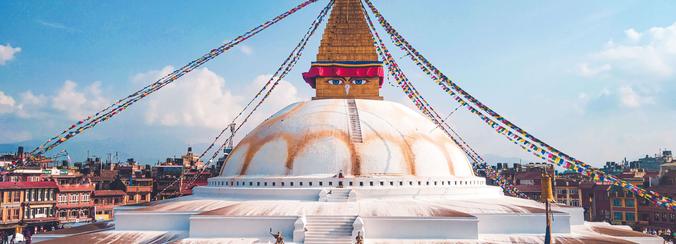
Enjoy your final morning in the heart of the Khumbu region. We'll board a morning flight to Kathmandu (exact time to be confirmed by your guide). Upon arrival, check into your hotel and spend the day at your leisure. You can explore the city, celebrate your achievement, or simply relax.
Later that evening, we'll have a farewell dinner at a restaurant in Thamel, hosted by the tour operator.
All meals included.
Day 14
Departure Day!
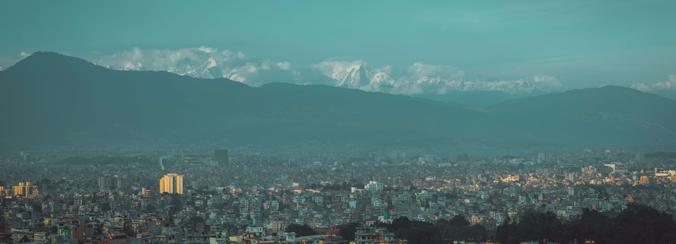
Today marks the end of your 14-day Everest Base Camp trek. Say goodbye to your fellow trekkers and prepare for your journey home.
If you're continuing your adventure, best of luck! For those departing, your airport transfer is included, and we'll take you to the airport 3 hours before your flight.
Breakfast included.
What's Included
Accommodation
Ramada Kathmandu 4 Star - Twin-share (2 Nights) Twin-share Local Lodges & Tea Houses (11 Nights)
Meals
Breakfasts: 13, Lunches: 11, Dinners: 11
Vegetarian options are available on all meals throughout the adventure.
Vegetarian options availableLocal Guide
GuidedThis adventure is led by a local guide throughout. The main language of this adventure is English. Please contact us for other languages available.
Airport Transfers
IncludedWifi
Wifi is available during the adventure. In some areas and / or accommodation / transport Wifi may be free.
Dates & Prices
Oct 2026
from £1,266Nov 2026
from £1,340Dec 2026
from £1,340Jan 2027
from £1,406Feb 2027
from £1,406Mar 2027
from £1,406Apr 2027
from £1,406May 2027
from £1,360Jun 2027
from £1,406Jul 2027
from £1,406Aug 2027
from £1,406Sep 2027
from £1,360Oct 2027
from £1,360Nov 2027
from £1,360Dec 2027
from £1,360Jan 2028
from £1,406Feb 2028
from £1,406Mar 2028
from £1,406Apr 2028
from £1,406May 2028
from £1,406Jun 2028
from £1,406Jul 2028
from £1,406Aug 2028
from £1,406Sep 2028
from £1,406Oct 2028
from £1,406Nov 2028
from £1,406Dec 2028
from £1,406
October 2026
6 departures- Save 14%Saturday 17 Oct 2026to Friday 30 Oct 20266+ spaces of 12 leftGuaranteed Departure£1,464£1,266Best offer
- Save 14%Sunday 18 Oct 2026to Saturday 31 Oct 20266+ spaces of 12 leftGuaranteed Departure£1,464£1,266Best offer
- Save 14%Saturday 24 Oct 2026to Friday 6 Nov 20266+ spaces of 12 leftGuaranteed Departure£1,464£1,266Best offer
- Save 14%Sunday 25 Oct 2026to Saturday 7 Nov 20266+ spaces of 12 leftGuaranteed Departure£1,464£1,266Best offer
- Save 14%Monday 26 Oct 2026to Sunday 8 Nov 2026Guaranteed Departure£1,464£1,266Best offer
- Save 14%Saturday 31 Oct 2026to Friday 13 Nov 20266+ spaces of 12 leftGuaranteed Departure£1,464£1,266Best offer
Make this tour private
Every departure on this trip can be booked just for your own group — your dates, your people, the same expert local guides.
What changes when you go private
Travel with just your own group
No other travellers on the trip — just the people you choose to bringTravel on your schedule
Pick your exact start date—no fixed group departures or rigid timetables.Exclusively for your party
Enjoy this handcrafted itinerary with a dedicated private guide just for you.
Customer reviews & ratings
I booked a trip with The Adventure People to go to Everest Base Camp. They were so organized and thoughtful throughout this trip and really cared for their customers. As a young women going I always felt safe and in great hands. Ram and Himsange were our guides and did an incredible job. The porters are extraordinary and I’m not sure how they carry all our stuff but they do it with a smile. I highly recommend using Adventure People and will be using them in the future.
Sam Jan, 2026 VerifiedHad an amazing time. So well organised and communication was great.
Jade Jan, 2026 Verified
Essential trip information
Our Important Notes and Packing List cover all essentials, from necessary equipment to inclusions, ensuring you're fully equipped and informed for this extraordinary adventure and more.
Frequently asked questions


Still have questions?
Can't find the answer you're looking for? Please chat to our friendly team.
Why book with us
Help Change The World
We collaborate with local businesses and communities.
Best Price Guaranteed
We won't be beaten on price. If you find this adventure at a lower price please get in touch!
You're In Good Hands
We work with trusted tour operators around the world.
You're spoilt for choice
We have the best choice of adventures on the market.