Everest Base Camp Packing List
Everything you need for this once-in-a-lifetime trek

by The Adventure People on 13th March 2026
Would you like to write for our blog? Please send an email to hello@theadventurepeople.com we'd love to hear your ideas!
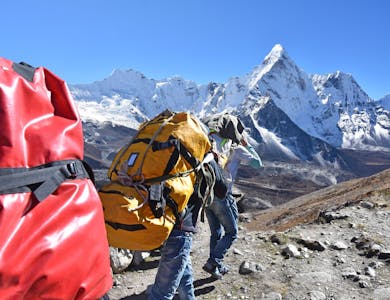
Packing properly for the Everest Base Camp trek can make the difference between an unforgettable adventure and a difficult, uncomfortable experience.
The trek takes you through the spectacular Khumbu region of Nepal, from the bustling mountain airstrip of Lukla to Everest Base Camp at 5,364 metres (17,598 ft). At those altitudes, temperatures can drop well below freezing, weather conditions can change quickly, and the physical demands of trekking for up to two weeks mean every piece of equipment needs to earn its place in your bag.
Whether you’re joining one of our Everest Base Camp treks with The Adventure People or planning the trip independently, packing the right gear will help you stay warm, safe, and comfortable throughout the journey.
This guide covers everything you need to bring — from essential trekking gear to optional extras that can make evenings in Himalayan teahouses even more enjoyable.
Weight Considerations for the Everest Base Camp Trek
One of the most important things to think about when packing for Everest Base Camp is weight.
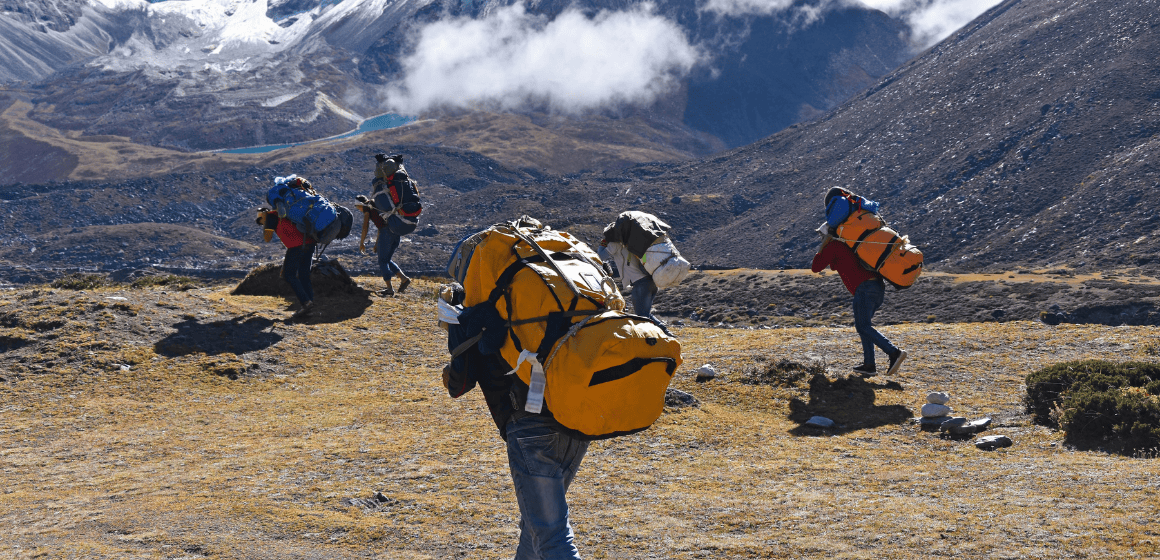
While porters typically carry the majority of your main gear on guided treks, you’ll still carry a daypack with your daily essentials — including water, snacks, extra layers, and personal items.
The lighter your pack, the easier trekking will feel during long days on the trail.
Lukla Flight Weight Restrictions
Most Everest Base Camp itineraries include a small aircraft flight from Kathmandu (or Ramechhap) to Lukla Airport, one of the most famous mountain airstrips in the world.
Due to aircraft weight limits, baggage allowances are usually around:
10kg (22 lbs) checked luggage
5kg (11 lbs) hand luggage
These limits are typical for airlines flying the Lukla route such as Tara Air and Summit Air.
If your luggage exceeds the limit, you may need to pay additional baggage fees or leave items behind in Kathmandu. We suggest you stick to these weight restrictions and weigh your packs before you leave, so you know you're within the limits and won't get caught out at the airport.
Porter Load Limits
Responsible trekking companies follow porter welfare guidelines that limit how much weight porters carry.
On many guided treks — including our Everest Base Camp itineraries — porters typically carry around 20kg shared between two trekkers, meaning each person should aim to pack no more than 10–12kg of gear.
Packing efficiently ensures both your comfort and the wellbeing of the porters supporting your trek.
Choosing the Right Backpack
Your Everest Base Camp packing strategy should revolve around two bags:
A main duffel bag or trekking backpack carried by porters
A daypack you carry while trekking
Main Bag (Duffel or Trekking Pack)
Your main bag holds most of your clothing and gear.
Look for:
60–80 litre capacity
Durable, weather-resistant material
Lockable zips
Compression straps
Many trekkers prefer duffel bags because they’re easy for porters to carry and organise.
Waterproof liners or dry bags are highly recommended to keep gear dry.
Daypack
Your daypack should be comfortable enough to carry 6–8 hours per day.
Ideal features include:
25–35 litre capacity
Padded hip belt
Chest strap
Water bottle pockets
Hydration bladder compatibility
Rain cover
Your daypack will typically contain:
water
snacks
camera
sun protection
warm layers
personal medication
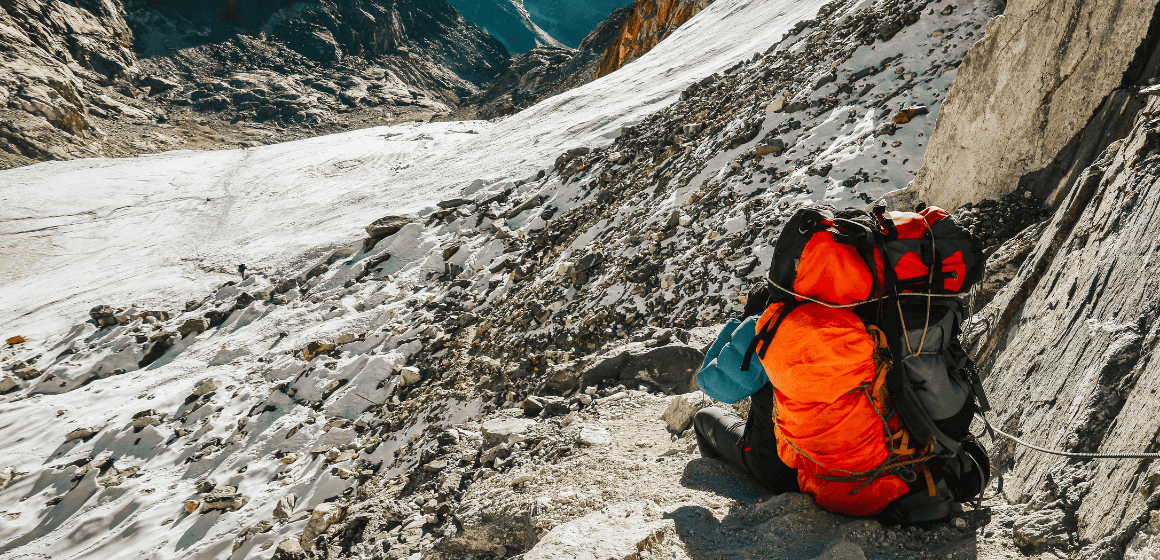
Everest Base Camp Packing List: Essential Gear
Below is a complete Everest Base Camp packing list covering the essentials most trekkers need.
Clothing
Layering is essential in the Himalayas.
Temperatures can vary dramatically between sunny afternoons and freezing nights.
Base Layers
2–3 moisture-wicking thermal tops
2 thermal base layer leggings
Lightweight trekking shirts (3–4)
Merino wool or synthetic fabrics are ideal because they wick moisture and dry quickly.
Insulating Layers
Fleece jacket or mid-layer
Lightweight insulated jacket
Down jacket for colder temperatures
A high-quality down jacket is one of the most important items for staying warm at higher altitudes.
Outer Layers
Waterproof shell jacket
Waterproof trekking trousers
Windproof layer
Weather in the Khumbu region can change rapidly, particularly during spring and autumn trekking seasons.
Trekking Trousers
2–3 pairs of lightweight trekking trousers
Optional thermal trousers for colder months
Avoid cotton, which absorbs moisture and dries slowly.
Underwear and Socks
4–5 pairs moisture-wicking socks
3–4 pairs underwear
Thermal sleep socks
Blister-resistant hiking socks are strongly recommended.
Footwear
Hiking Boots
Your trekking boots should be:
Well broken-in before the trek
Waterproof
Ankle-supportive
Durable with good grip
Blisters are one of the most common trekking problems, so never wear brand-new boots on the trail.
Additional Footwear
Lightweight trainers or camp shoes
Sandals for teahouse evenings
Flip flops for showers
Sleeping Gear
Although teahouses provide beds and blankets, temperatures can drop significantly overnight.
Essential items include:
Four-season sleeping bag (rated to around –10°C to –15°C)
Sleeping bag liner
Compact travel pillow (optional)
A sleeping bag liner also improves hygiene in shared accommodation.
Toiletries and Hygiene
Bring travel-sized essentials to keep your pack light.
Recommended items:
Toothbrush and toothpaste
Biodegradable soap
Quick-dry travel towel
Wet wipes
Hand sanitiser
Lip balm with SPF
Moisturiser
Toilet paper
Showers become less common as you ascend the trail, so wet wipes are extremely useful. Look for biodegradable versions and bring a couple of Ziplock bags with you to keep used wipes. Litter is a real problem on the Everest Base Camp trail and responsible trekkers should always aim to bring everything they take back with them.
Medicines and First Aid
Even if your guide carries a group medical kit, it’s wise to pack personal essentials.
Recommended items:
Personal medications
Pain relief tablets
Blister plasters
Antiseptic wipes
Electrolyte tablets
Rehydration salts
Altitude sickness medication (if prescribed)
Altitude sickness is a risk on any high-altitude trek. The NHS and trekking medical organisations recommend ascending gradually and staying hydrated as key prevention strategies.
Electronics
Electricity is available in most teahouses but charging may incur a fee.
Bring:
Smartphone
Camera
Portable power bank
Charging cables
Universal adapter
Headlamp or torch
A headlamp is particularly useful for early starts or nighttime bathroom trips.
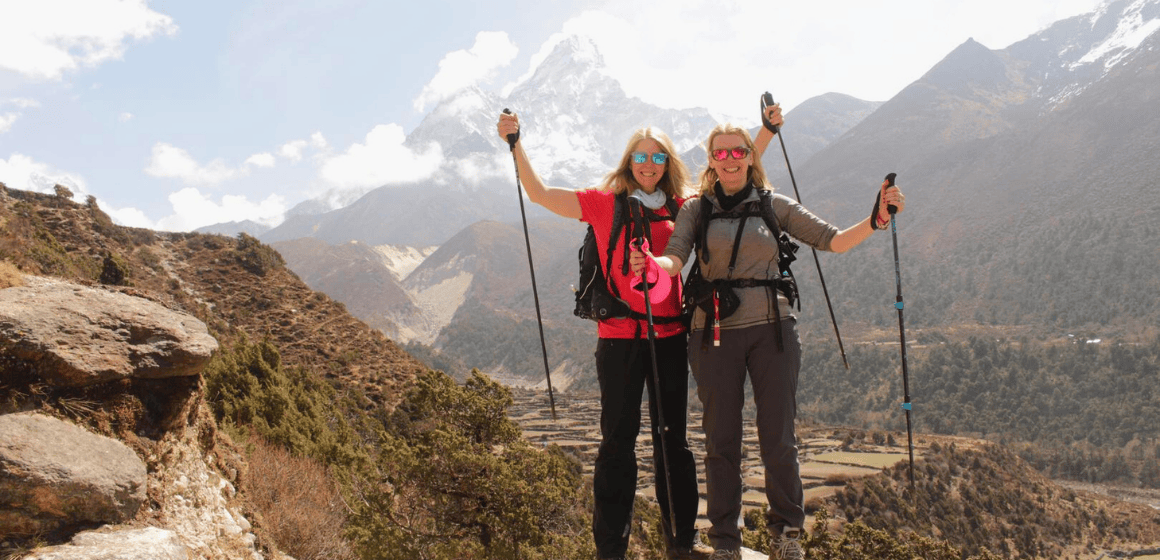
Essentials for Women
Women may want to bring additional items for comfort and convenience.
Recommended extras:
Sanitary products or menstrual cup
Extra underwear
Intimate hygiene wipes
Sports bras suitable for long trekking days
Products can be difficult to find in mountain villages, so it’s best to pack everything you may need.
Nice-to-Have Items
Some items aren’t essential but can make the trekking experience more enjoyable.
Consider packing:
Ear plugs for sleeping
Eye mask
Playing cards or travel games
Small notebook or journal
Kindle or book
Lightweight snacks from home
Evenings on the Everest Base Camp trek are often spent socialising in cosy teahouses, sharing stories with fellow trekkers.
A small deck of cards can quickly become the most popular item in the room.
Additional Gear for Winter Treks
If you’re trekking to Everest Base Camp during winter months (December–February), colder temperatures require extra gear.
Add:
Heavy down jacket
Extra thermal base layers
Insulated gloves
Balaclava or neck gaiter
Thermal sleeping socks
Hand warmers
Winter treks can be incredibly rewarding, offering clear skies and quieter trails, but preparation is key.
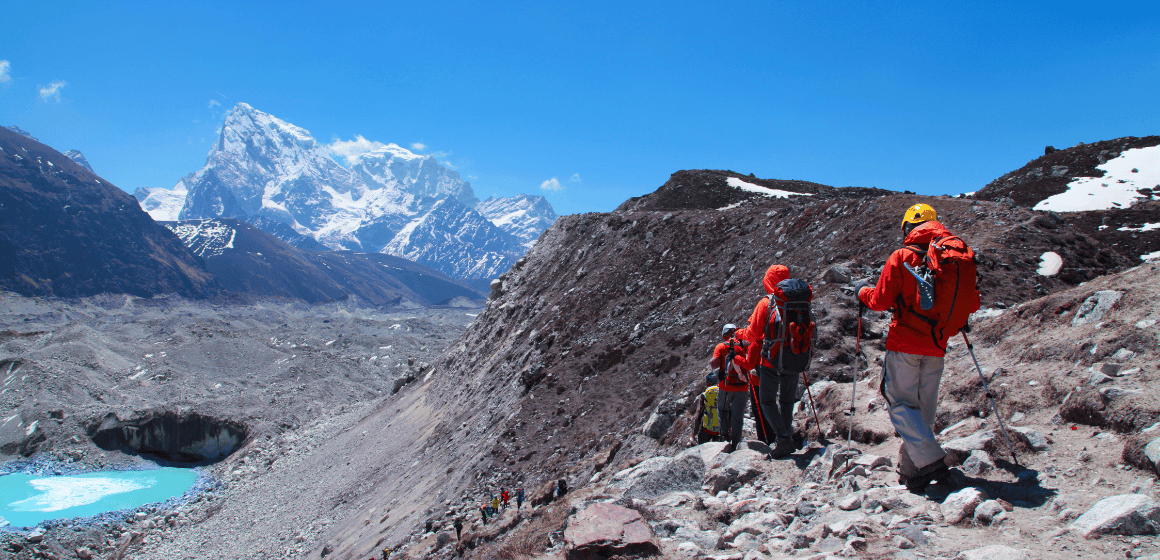
Renting vs Buying Everest Base Camp Gear
Many trekkers wonder whether to rent gear in Kathmandu or buy equipment before travelling.
Both options have advantages and drawbacks.
Renting Gear in Kathmandu
Pros:
Cheaper upfront cost
Convenient if you travel light
Good option for bulky items like sleeping bags
Cons:
Quality can vary
Fit may not be perfect
Availability can be limited in peak trekking seasons
Buying Your Own Gear
Pros:
Guaranteed fit and quality
You can test equipment beforehand
More reliable in extreme conditions
Cons:
Higher initial cost
Requires preparation before your trip
Because Everest Base Camp treks are typically booked months in advance, many trekkers choose to gradually purchase their gear ahead of time.
You can often reduce costs by:
signing up to outdoor brand newsletters
using cashback websites
buying gear during seasonal sales
Investing in reliable equipment is often worthwhile when trekking in high-altitude environments.
Final Thoughts: Packing Smart for Everest Base Camp
The Everest Base Camp trek is one of the most iconic adventures in the world, combining breathtaking Himalayan landscapes with a deep cultural experience in Sherpa communities.
Packing carefully ensures you can focus on what matters most — the journey.
By keeping your gear light, practical, and layered for changing conditions, you’ll be well prepared for the challenge.
If you're planning your trek with The Adventure People, our Everest Base Camp itineraries are designed to give you the best chance of reaching base camp safely while enjoying every moment of the journey.
With the right preparation — and the right packing list — you’ll be ready to experience the Himalayas at their very best.
Further Reading
Continue your preparation for the Everest Base Camp trek with these handy articles on our website:
- How dangerous is the Everest Base Camp trek?
- How fit do I need to be for Everest Base Camp?
- Everest Base Camp FAQs
- The life-changing benefits of trekking to Everest Base Camp