How Fit Do I Need To Be For Everest Base Camp?
A Training Guide.

by Chris on 9th December 2025
Chris is the CEO of The Adventure People and has over 20 years experience in the travel industry.

Everest Base Camp (EBC) isn’t technical climbing, but it is a proper physical challenge. The good news? You don’t need to be an athlete. Plenty of people with average fitness complete it every year.
What you do need is:
enough base fitness to walk for hours, day after day, and
enough strength and resilience to handle hills, stairs, uneven paths, and carrying a daypack
…all while sleeping a little worse than normal because of altitude.
This guide covers what “fit enough” really means, what most people underestimate, and a realistic training plan that an average person can follow without turning their life into a bootcamp.
What the Everest Base Camp trek is physically like (in real terms)
Most classic EBC itineraries are around 12–14 days on the trail (plus travel days). Expect:
5–7 hours walking most days (sometimes 8 on longer days)
lots of uphill and downhill, often on stone steps
uneven terrain: rocks, dust, tree roots, occasional snow/ice patches depending on season
a daypack (typically 4–7kg) with water, layers, snacks, camera etc.
altitude effects above ~3,000m: shortness of breath, slower pace, reduced appetite, disrupted sleep
It’s not one brutal day. It’s a steady accumulation of effort. Your body has to recover overnight and do it again tomorrow.
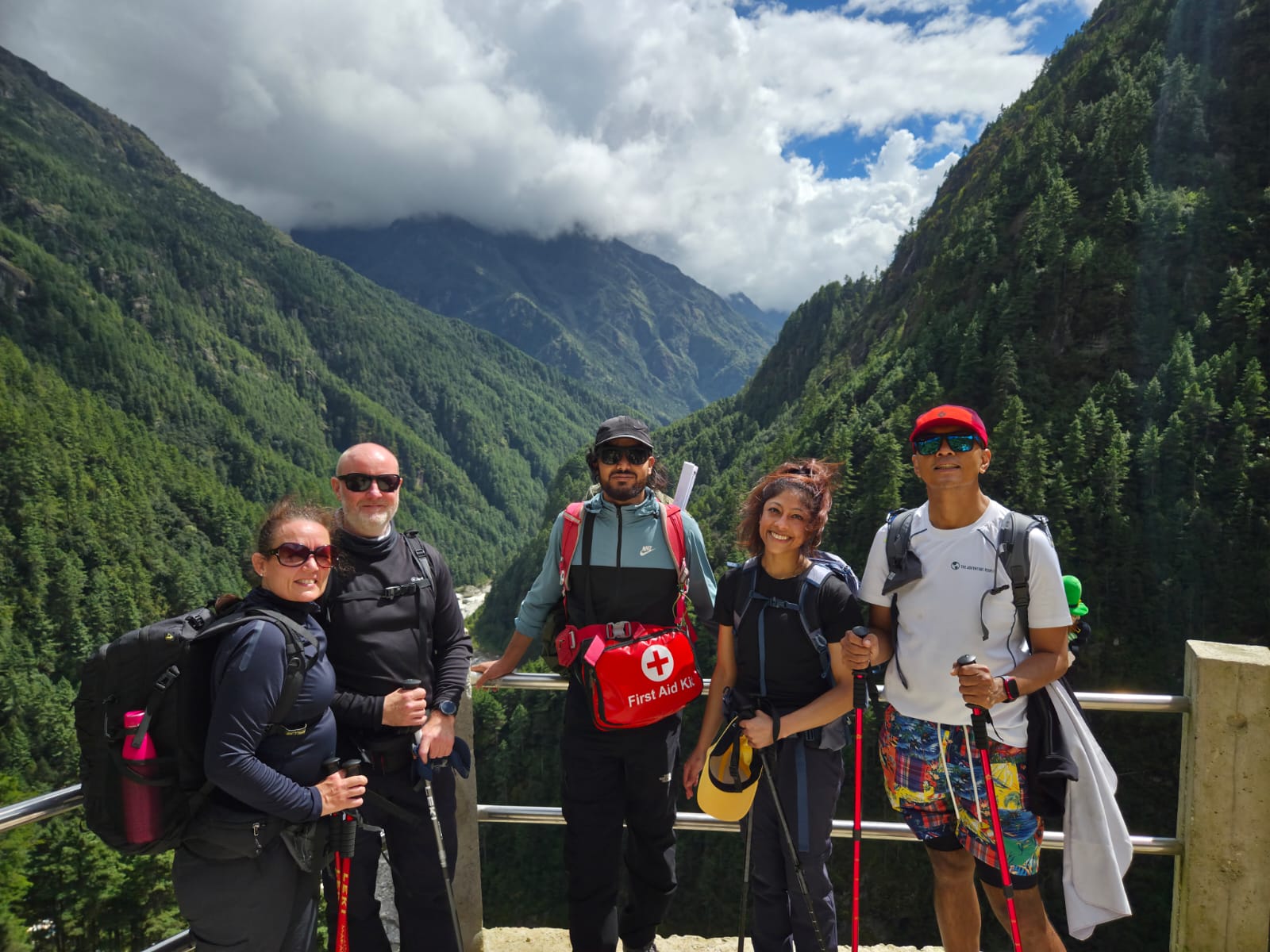 So… how fit do you need to be?
The short answer
If you can comfortably do the following before you go, you’re in a strong position:
walk 10–15km on mixed terrain
with some hills,
for 4–6 hours,
carrying a small backpack,
and feel “tired but functional” the next day.
That’s basically the EBC job description.
The honest answer
You don’t need speed. You need endurance.
EBC is about being able to keep a steady, conversational pace for multiple days. The fittest person in the group can still get altitude sickness. The best-prepared person usually has:
a solid cardio base
stronger legs than they think they need (descents are the knee-killers)
good pacing discipline (slow is smooth, smooth is fast)
What most “average” people struggle with (and how to fix it)
1) Downhill destroys legs more than uphill
The descents can cause sore knees, quads, and hips—especially if you’re not trained for it.
Fix: train downhill by walking down slopes/stairs, and strengthen quads/glutes.
2) Consecutive days is the real challenge
A single long hike is one thing. Doing it 8–10 times in a row is another.
Fix: back-to-back weekend walks.
3) Carrying even a light pack changes everything
A small pack changes posture, breathing, and fatigue.
Fix: practise with your daypack from week 3 onwards.
4) Altitude makes everyone feel less fit
Above Namche and especially above Dingboche, you’ll feel slower. That’s normal.
Fix: train your base fitness so you’ve got spare capacity, then accept “slow” as the correct strategy.
 View Our Everest Base Camp Treks >>
A realistic 10-week Everest Base Camp training plan
This plan assumes you can currently walk 30–60 minutes comfortably but aren’t doing structured training. If you’re starting from very low fitness, extend it to 12–14 weeks by repeating earlier weeks.
How the training plan works
Each week includes:
3 cardio sessions (walk, jog, bike, elliptical—choose what you’ll actually do)
2 strength sessions (short, simple, effective)
1 longer walk/hike (your key session)
Optional mobility and recovery
Aim for 5 days/week of movement. Keep one full rest day.
Intensity guide (very simple)
Easy (Zone 2): you can talk in full sentences
Moderate: you can speak, but prefer short sentences
Hard: you’re huffing; use sparingly
Most training should be easy.
Weeks 1–2: Build the habit and base
Cardio (3x/week)
30–40 min easy walk / brisk walk / gentle cycle
Strength (2x/week, 25–35 min)
Bodyweight squats – 3 x 10
Step-ups (stairs/bench) – 3 x 8 each leg
Glute bridges – 3 x 12
Calf raises – 3 x 12
Plank – 3 x 30 seconds
Long walk (1x/week)
60–90 min easy, include small hills if available
Goal: consistency, not heroics.
Weeks 3–4: Add hills and a daypack
Cardio (3x/week)
1 x 40 min easy
1 x hill session: 25–35 min brisk walk including 6–10 short hill/stair efforts
1 x 40 min easy (or cycle)
Strength (2x/week)
Goblet squats (hold a backpack or dumbbell) – 3 x 10
Step-ups – 3 x 10 each leg
Reverse lunges – 3 x 8 each leg
Calf raises – 3 x 15
Side plank – 3 x 20–30 sec each side
Long walk (1x/week)
2 hours, include hills
Start wearing your daypack with 2–4kg
Goal: stronger legs, more time on feet.
Weeks 5–6: Endurance and back-to-back walks
Cardio (3x/week)
1 x 45 min easy
1 x 30–40 min moderate (steady brisk effort)
1 x hill/stairs: 35–45 min including 10–15 hill efforts
Strength (2x/week)
Squats – 4 x 8
Step-ups (higher step if safe) – 3 x 10 each leg
Romanian deadlifts (dumbbells/backpack) – 3 x 10
Walking lunges – 2 x 12 each leg
Plank – 3 x 45 sec
Weekend
Saturday: 2.5–3 hour walk with hills (pack 4–6kg)
Sunday: 60–90 min easy recovery walk
Goal: teach your body to go again the next day.
Weeks 7–8: Trek simulation phase
Cardio (3x/week)
1 x 50–60 min easy
1 x 40 min moderate steady
1 x stairs/hills: 45–60 min (longer climbs)
Strength (2x/week)
Squats – 4 x 8
Step-ups – 4 x 10 each leg
Split squats – 3 x 8 each leg
Calf raises – 4 x 12–15
Core circuit (plank + side plank + dead bug) – 10 min
Weekend
One long hike: 4–5 hours, hills, pack 5–7kg
Optional second hike next day: 90–120 min easy
Goal: confidence. Long days should feel “doable”.
Weeks 9–10: Peak + taper (arrive fresh, not broken)
Week 9 (peak)
Cardio: 2 easy sessions + 1 hills
Strength: 2 sessions (don’t max out)
Weekend: your longest hike: 5–6 hours with hills, pack 5–7kg
Week 10 (taper)
Reduce volume by 40–60%.
2–3 easy walks
1 light strength session
Short hill stroll
Focus on sleep, hydration, and mobility
Goal: show up feeling springy, not smashed.
View Our Everest Base Camp Treks >>

If you only have 6 weeks (quick version)
If time is tight, do this:
3x/week brisk walking (include hills)
2x/week strength (legs + core)
1x/week long walk (increase by 30–45 min each week)
Back-to-back walks every other weekend
It won’t be perfect, but it’ll work.
Training extras that make a big difference on the trail
Train with trekking poles
Poles reduce knee strain on descents and help rhythm on climbs. Practise before you go.
Break in footwear properly
Blisters can ruin a trek. Wear your boots/shoes on long walks early.
Learn pacing
On EBC, “slow” is correct. Practise walking uphill at a pace where you can still breathe through your nose occasionally.
Don’t chase weight loss
Fuel your training. Under-eating increases fatigue and injury risk.
What about altitude fitness?
No gym session replicates altitude. The best “altitude training” for most people is:
good base fitness
a sensible itinerary with acclimatisation days
a willingness to go slow and listen to your guide
Being fitter doesn’t make you immune to AMS, but it does give you more breathing room (literally and figuratively).
Are you fit enough? A quick self-check
You’re likely ready if you can do:
a 5-hour hilly walk with a daypack
and still function normally the next day
without any knee pain that persists for more than 24–48 hours.
If that sounds miles away right now—no stress. Start earlier, build gradually, and you’ll get there.
Final reassurance: people with average fitness complete this trek all the time
Everest Base Camp is a big goal, but it’s not reserved for elite athletes. With steady preparation and a sensible approach, most reasonably healthy people can do it—and enjoy it.