Camp the Trans Bhutan Trail - 11 Days
Trip Snapshot
Genders
- Female50%
- Male50%
Average age
Start / End
- Paro
- Paro
Physical rating
Group size
1 - 15Meals included
30Highlights
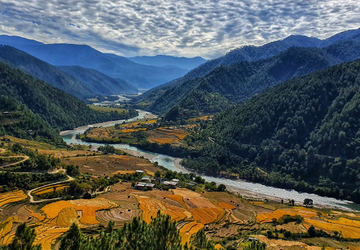
- Embark on an extraordinary journey along the meticulously restored Trans Bhutan Trail, a path rich in history, once traversed by royals, monks, and traders. Immerse yourself in breathtaking mountain vistas, lush ecological corridors, and tranquil, timeless villages, experiencing Bhutan's heart on foot.
- Ascend to spiritual heights at the iconic Dochula Pass, adorned with 108 memorial stupas that offer spectacular panoramic views of the snow-capped Himalayan peaks. Discover majestic Dzongs (fortresses) like Trongsa and Jakar, architectural marvels steeped in Bhutanese royalty and spiritual significance.
- Undertake an unforgettable pilgrimage to the legendary Tiger’s Nest Monastery (Taktshang Goemba), dramatically perched on a sheer cliff face. This iconic site promises awe-inspiring views and a profound spiritual experience, serving as a spectacular climax to your journey.
- Delve deep into authentic Bhutanese rural life with unique homestay experiences, sharing delicious homemade meals and exchanging stories with local families. Engage in cultural activities and encounter the warmth of local communities, gaining an intimate glimpse into the kingdom’s cherished traditions.
- Experience the serene beauty of Bhutan's pristine wilderness with nights spent camping in idyllic, remote locations. Enjoy delicious, locally-sourced organic dinners under a canopy of stars, fostering a profound connection with nature.
- Begin your Bhutanese odyssey in Thimphu, the world's only capital without traffic lights. Explore the magnificent Buddha Dordenma and the revered Memorial Chorten, witnessing a captivating blend of modern life and ancient Bhutanese tradition.
- Trek the Legendary Trans Bhutan Trail: Embark on an extraordinary journey along a millennia-old path, recently restored, that was once traversed by Bhutanese royals, monks, and traders. Immerse yourself in breathtaking, diverse landscapes, from dense forests to serene meadows, experiencing a profound connection to the kingdom's rich history with every step.
- Ascend to Dochula Pass for Panoramic Vistas: Conquer the majestic Dochula Pass, standing at 3,100 meters (10,170 feet), to witness awe-inspiring panoramic views of the snow-capped Himalayan peaks. Discover the spiritual serenity of the 108 Druk Wangyal Chortens, a powerful memorial site, before descending along the historic "Divine Madman Trail."
- Immerse in Authentic Bhutanese Homestays: Go beyond conventional tourism with unique overnight stays in comfortable local homestays. Share meals and stories with Bhutanese families, gaining an intimate glimpse into their rural and spiritual life, and even learn about rare local dialects like Ngyen-Kye in villages such as Rukubji.
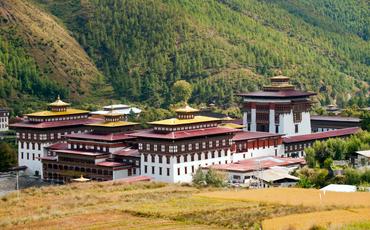
- Explore Ancient Dzongs and Royal Heritage: Delve into Bhutan's regal past with visits to iconic fortresses (Dzongs) like Trongsa Dzong, the geographical heart of Bhutan with deep royal connections, and the majestic Jakar Dzong, known as the 'Castle of the White Bird.' Traverse old cantilever bridges and wander through historical watchtowers now housing royal museums.
- Discover the Enchantment of Bumthang Valley: Journey through a historic section of the trail, once used by the royal family, descending into the picturesque Bumthang Valley. Explore the imposing Jakar Dzong and unwind with a visit to the local Red Panda Brewery, connecting with both history and contemporary Bhutanese life.
- Hike to the Iconic Tiger's Nest Monastery: Experience the pinnacle of Bhutanese spirituality and natural beauty with a challenging yet rewarding trek to the legendary Taktshang Goemba, or 'Tiger's Nest Monastery.' Perched dramatically on a sheer cliff face 900 meters (2,950 feet) above the Paro Valley, this sacred site offers unparalleled views and a profound sense of wonder.
Everything you need to picture the adventure and pack with confidence — in one free PDF.
What's inside the PDF
Day-by-day itinerary
Every day mapped out, covering activities, travel times, meals and where you'll stay.Packing & kit list
Exactly what to bring, from clothing and essentials to luggage guidelines and what's available to hire locally.What's included
Accommodation, transport, guides and meals, so you can see exactly what your price covers.
Summary
It’s not often you can hike a historic trail that was used for millenniums by royals, monks, and traders. In fact, it’s been 60 years. Until the 1960s, the Trans Bhutan Trail was the only real way to traverse the mountain kingdom of Bhutan before it fell into disuse. Thankfully, it’s back, and this 11-day tour will show the world what it’s been missing. Covering some of the best portions of this 403 km trail, you’ll use your own two feet to experience its breathtaking, diverse landscapes and timeless villages from a different era. Featuring idyllic camping spots and overnights in comfortable local homestays, this tour will give you a glimpse into Bhutan’s rural and spiritual life that’s only possible when you head off the beaten path. So lace up those hiking boots — the Trans Bhutan Trail is ready when you are.
Itinerary
Day 1
Paro/Thimphu
After arriving in Paro enjoy an included transfer to your hotel in Thimphu where you will meet the rest of the group and your local tour leader. If time permits, head out in the afternoon to Buddha Point, home to Thimphu’s most recognized landmark, the Buddha Dordenma. Then, visit the Memorial Chorten, a Tibetan-style stupa built in 1974 and one of Thimphu’s most impressive religious sites. This evening gather as a group at a local restaurant for a welcome dinner and your first chance to sample Bhutanese cuisine. With elevations ranging between 2,248 meters (7,375 feet) and 2,648 meters (8,688 feet) above sea level, Thimphu is the fifth highest capital city in the world by altitude. It is also the only capital city in the world without any traffic lights. The city offers a unique blend of the modern world with Bhutanese tradition.
Day 2
Thimphu/Thinleygang
Today, your trek continues as you depart from Thimphu and drive to the village of Hongtsho to begin your trek. Your first major milestone is the climb to the Dochula Pass, situated at 3,100 meters (10,170 feet). Here, you will visit the 108 Stupas (Druk Wangyal Chortens), built to honor Bhutanese soldiers and the leadership of the Fourth King. On clear days, the pass offers spectacular panoramic views of the snow-capped Himalayan peaks.
After exploring the pass and the nearby Druk Wangyal Lhakhang, you will continue trekking along the "Divine Madman Trail," a historic route named after the legendary 16th-century monk Drukpa Kuenley. The path descends through lush ecological corridors into the Royal Botanical Park at Lampelri, where you will stop for a scenic picnic lunch amidst a forest famous for its many species of rhododendrons and diverse birdlife. Your day concludes with a final trek to your campsite in Thinleygang, where a locally sourced dinner will be served under the stars. This section of the Trans Bhutan Trail connects the modern capital of Thimphu with the historic spiritual centers of the east, following a route once used by high-ranking clergy as they moved between their summer and winter residences. The Dochula Pass serves as a powerful spiritual landmark; its 108 memorial stupas are arranged in three concentric circles to symbolize spiritual completion and the removal of 108 human desires to reach enlightenment. The nearby Druk Wangyal Lhakhang temple is unique for its modern murals that blend traditional Buddhist imagery with scenes from 21st-century Bhutanese history.
As you move toward Lampelri, you enter an important biological corridor that links two of Bhutan’s national parks. This area is a haven for biodiversity, home to rare species like the red panda and over 46 varieties of rhododendron. The trail itself is steeped in the folklore of the "Divine Madman," Drukpa Kuenley, whose unconventional methods of teaching have left a lasting mark on Bhutan’s cultural and religious identity. Your day ends in the quiet valley of Thinleygang, offering a peaceful immersion into the rural landscapes that the restored trail was designed to protect and celebrate.
Day 3
Thinleygang/Chendebi
The group will transfer eastwards with packed breakfast to Pelela for the start of the hike at 3,410 metres (11,187 feet) above sea level. Arrive to Pelela Pass for a picnic lunch before starting the trek. As you descend through the meadows below Pelela, keep an eye out for the yak herder camps which can be seen scattered around the valley. Visit Rukubji’s village, famous for its unique local language called Ngyen-Kye, and have the chance to learn about it from the villagers over tea.
After visiting Rukubji, drive down to the village of Chendebi, where the group will camp for the night. A delicious organic, locally sourced dinner will be served at the campsite in the evening. This ancient route, which runs 403 kilometres from Haa in the West of Bhutan to Trashigang in the East, dates back at least as far as the 16th century, when it would have been the only means of communication between the strategically located dzongs (fortresses) along the route. The Trail’s Garps (messengers) were quite legendary, travelling with vital messages between Dzongs at great speeds with little food or rest. Over time, the Trail came to play a major role in uniting the region’s many kingdoms, culminating in the birth of Bhutan as a nation in 1907. With the advent of Bhutan’s National Highway in the 1960s, the Trail fell into disrepair but was restored in 2019 thanks to a partnership between the Royal Bhutanese Government, the Tourism Council of Bhutan, and the Bhutan Canada Foundation. The Trail now receives visitors from across Bhutan and the world. When stopping the the village of Rukubji learn more about the local language from the locals. The dialect, called Ngyen-Kye, is a mix of other dialects from across Bhutan and even some English words, and is now only spoken by a dozen or so households.
Day 4
Chendebi/Trongsa
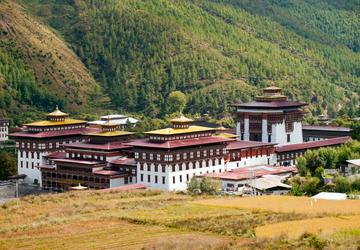
Head back to the Trans Bhutan Trail after breakfast at your camp. On today's trek, recreate the experience of past royals as you descend as a group into the steep valley below. See spectacular views of the Dzong (fortress) and cross the old cantilever bridge over the Mangde River before climbing the other side of the valley to reach Trongsa Dzong via the Western gate. After arriving to our hotel, the rest of the day is yours to relax and explore before joining back together for dinner at a local restaurant in the early evening. Trongsa is Bhutan’s geographical center point and is very closely linked to the Bhutanese Royal Family: the first two hereditary Kings ruled from Trongsa Dzong (fortress) and the crown prince still traditionally serves as the Penlop (Governor) of Trongsa before acceding to the throne. The Trans Bhutan Trail still passes directly through the middle of the city of Trongsa and, in centuries gone by, the trail would actually have passed right through Trongsa Dzong itself.
Day 5
Trongsa
Devour a quick breakfast this morning before heading out for a tour of Trongsa Dzong (fortress), first built as a small meditation room in 1541. Visit a selection of the Dzong’s 23 lhakhangs (temples), before heading to the Trongsa Ta Dzong (watchtower), which now houses the interesting Royal Heritage Museum. The remainder of the day will be at leisure to explore Trongsa at your own pace.
Day 6
Trongsa/Gyetsa
Wave farewell to Trongsa today and head back out on the Trail for some more hiking. Drive to Yotong La Pass to join the trail. Trek through a stretch of dense forest and cross through meadows, through open forest until the trail reaches the Gyetsa River. Arrive at Gyatsa Youth Community Cafe after lunch and enjoy a hands-on cultural activity with the youth. Once the group arrives at camp in Gyetsa you’ll be able to enjoy a hot shower and a locally-sourced organic dinner at the campsite.
Day 7
Gyetsa to Bumthang
Today after breakfast the group will trek through the most historic section of the trail. This section was used by the royal family when they travelled between their winter and summer residences. You’ll travel through Kikila Pass before descending into the Bumthang Valley. We’ll stop along the way for a picnic lunch, enjoying the scenery.
Once you arrive in Jakar, visit the majestic Jakar Dzong (fortress), also known as the ‘Castle of the White Bird’. Observe unique features like its fifty-meter utse (tower) and a sheltered passage with two parallel walls, interconnected by fortified towers, which guaranteed the fortress’s inhabitants access to water during a siege. Visit the Red Panda Brewery after for a well-deserved rest. This evening, enjoy a special experience as you settle into your local homestay accommodation. Spend the evening with a few of your fellow travelers in the home of a local Bhutanese family who will be your hosts for the evening. Share a meal and exchange stories while learning about what life is like for your local hosts.
Day 8
Bumthang to Punakha
Enjoy breakfast at your homestay before transferring back to the charming town of Punakha for a day of exploring. You’ll stop for lunch en route and then visit the Bazam (bridge) just across the river from Punakha Dzong (fortress). In order to cross the bridge on foot you must be wearing formal Bhutanese dress, including a gho for men and a kora for women. On the other side head out on a tour of the Dzong (fortress).
In the evening, enjoy another homestay experience with local Bhutanese families. Tuck into a delicious homemade meal and rest up for another incredible day ahead
Day 9
Punakha/Paro
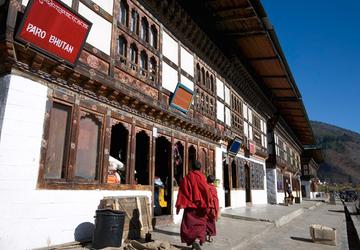
Today after breakfast, the group will transfer to Paro where you’ll check into the hotel and have lunch. Then , it’s time to head out and see some of Paro’s most popular sites. Visit the Ta Dzong or ‘watchtower’ which is now Bhutan’s National Museum, home to a number of exhibitions including sculpture, painting and artifacts depicting Bhutan’s magical past. Then, continue to the stunning Paro Rinpung Dzong (fortress), meaning ‘Fortress on a Heap of Jewels’, This evening indulge in some delicious dinner with your CEO and fellow travellers.
Day 10
Paro
Fill up on breakfast before heading northwest out of Paro for a visit to the iconic Taktshang Goemba, more commonly known as the ‘Tiger’s Nest Monastery’. Precariously perched on a sheer cliff face 900 metres (2,950 feet) above the Paro Valley floor, the Tiger’s Nest is undoubtedly Bhutan’s most famous religious building. The trek offers spectacular views from the ridge and passes a small chorten, a basic monastery, and a waterfall on its way. Once you have reached the Tiger’s Nest, you will have a chance to visit the cave where Guru Rinpoche meditated, as well as the extensive network of Lhakhangs (chapels) which house images, murals, chortens, and a holy spring.
If time allows, make a quick trip to Machig-phu Lhakhang (temple) on the way back down to the access road. The rest of the afternoon will be at leisure to relax at your hotel or to explore Paro on your own, before enjoying a last dinner with your group at a local restaurant to celebrate the trip!
Day 11
Paro
Enjoy one last breakfast before being transferred from your hotel to the airport for your flight home. While at the airport, opt to experience a cultural art class at the social enterprise, VAST, a the tour operator-supported studio.
What's Included
Accommodation
Hotels (5 nts), homestays (2nts), camping with facilities (3 nts).
Meals
Breakfasts: 10, Lunches: 10, Dinners: 10
Vegetarian options are available on all meals throughout the adventure.
Vegetarian options availableLocal Guide
GuidedThis adventure is led by a local guide throughout. The main language of this adventure is English. Please contact us for other languages available.
Airport Transfers
Arrival OnlyAn airport transfer to the start of the tour is included. Please contact our team if you require a quote for a return transfer.
Wifi
Wifi is available during the adventure. In some areas and / or accommodation / transport Wifi may be free.
Dates & Prices
Apr 2027
from £3,269May 2027
from £3,269Aug 2027
from £2,999Sep 2027
from £3,269Oct 2027
from £3,269Apr 2028
from £3,269May 2028
from £3,269Jun 2028
from £2,999Aug 2028
from £2,999Sep 2028
from £3,269Oct 2028
from £3,269
June 2028
1 departure- Sunday 11 Jun 2028to Wednesday 21 Jun 20286+ spaces of 15 leftGuaranteed Departure£2,999Pay MonthlyBest offerBook for£250 today, pay the rest later
Make this tour private
Every departure on this trip can be booked just for your own group — your dates, your people, the same expert local guides.
What changes when you go private
Travel with just your own group
No other travellers on the trip — just the people you choose to bringTravel on your schedule
Pick your exact start date—no fixed group departures or rigid timetables.Exclusively for your party
Enjoy this handcrafted itinerary with a dedicated private guide just for you.
Customer reviews & ratings
- Carl May, 2025 Verified
Loved this trip and our excellent Guide Dorji (especially his never ending smiles and laughter!). He made the experience very unique and allowed me to learn a lot about his country. He is so knowledgeable and was eager to answer all of our questions. Overall I had a great experience in Bhutan. The only reason I lowered my score a bit is that prior to my travels I received conflicting information from G adventures and the agency i booked through (theadventurepeople) on the visa process. I felt the customer support was not particularly friendly and seemed annoyed with my questions.
Nadine Sep, 2024 Verified
Essential trip information
Our Important Notes and Packing List cover all essentials, from necessary equipment to inclusions, ensuring you're fully equipped and informed for this extraordinary adventure and more.



Still have questions?
Can't find the answer you're looking for? Please chat to our friendly team.
Why book with us
Help Change The World
We collaborate with local businesses and communities.
Best Price Guaranteed
We won't be beaten on price. If you find this adventure at a lower price please get in touch!
You're In Good Hands
We work with trusted tour operators around the world.
You're spoilt for choice
We have the best choice of adventures on the market.